
Trump Says Ukraine’s Starlink Access Restored After Musk Talks

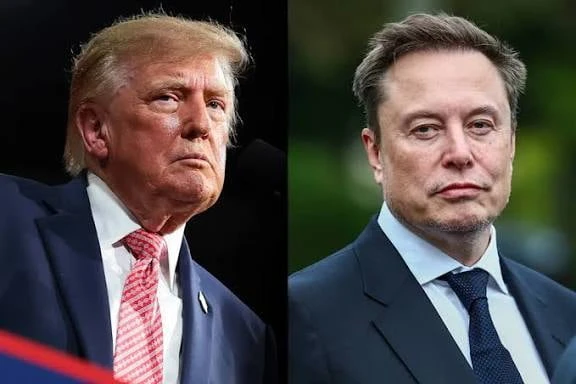
Trump Says Starlink Access Has Improved for Ukraine
WASHINGTON US President Donald Trump has said that Elon Musk’s SpaceX has restored Ukraine’s access to its Starlink satellite communications network following restrictions that disrupted Ukrainian military communications and drone operations.
Trump’s remarks came after reports that he had contacted Musk and asked him to lift the restrictions affecting Ukraine’s use of the satellite service. The US president, however, declined to confirm whether he had personally spoken to the billionaire, saying that the important point was that access had been restored.
The development follows days of uncertainty over the availability and performance of satellite communications systems used by Ukrainian forces in their war against Russia.
Although the service reportedly began operating more normally, Ukrainian officials indicated that the restoration might not have been complete. Questions therefore remain about whether the systems have returned to their previous operational capabilities.
Starlink Restrictions Disrupt Ukrainian Military Operations
Starlink, operated by SpaceX, has become an important communications tool for Ukraine since Russia launched its full-scale invasion in February 2022. The satellite network provides internet connectivity in areas where conventional communications infrastructure is damaged, unavailable or unreliable.
Ukrainian forces use the service for battlefield communications, coordination between military units, logistics and drone operations. Connectivity is also important for defensive missions involving drones designed to intercept incoming Russian unmanned aircraft.
Restrictions on satellite connectivity can affect how quickly military units exchange information and coordinate operations. Ukrainian officials have reported that the limitations hindered certain attack and air-defence drone missions.
The dispute has also highlighted Ukraine’s reliance on privately operated satellite infrastructure during wartime. Reliable communications remain essential for coordinating forces across a large and active battlefield, particularly when ground-based networks face disruption.
Trump-Musk Contact Raises Questions Over Responsibility
Reports of a conversation between Trump and Musk have added a new dimension to the dispute. According to reporting based on US officials, Trump contacted the SpaceX chief executive and expressed frustration over the restrictions affecting Ukraine’s satellite access.
The reported intervention came after conflicting accounts emerged about who was responsible for the limitations.
Trump previously denied that he had ordered the service slowdown, while Musk said that restrictions on Starshield, a separate military-grade satellite service controlled by the US government, were determined by the US military and ultimately the president.
The distinction between Starlink and Starshield is central to understanding the controversy. Starlink is a commercial satellite internet service operated by SpaceX, while Starshield provides capabilities for government and national-security customers.
The two systems have different control arrangements, making it important to distinguish between restrictions on commercial connectivity and decisions concerning military satellite services.
The precise chain of responsibility for the reported restrictions has remained contested, and public statements have not resolved every question surrounding the decision.
Zelenskyy Seeks Clarity as Ukraine-US Relations Face Strain
Ukrainian President Volodymyr Zelenskyy has said that Starlink’s performance had not been fully restored at the time of his earlier comments. He also indicated that he hoped to discuss the issue with US Secretary of State Marco Rubio.
The uncertainty comes amid wider tensions between Washington and Kyiv over the direction of US policy towards the war and its approach to Russia.
Disagreements over Russian oil, Ukraine’s military strategy and the terms of a potential settlement have complicated relations between the two governments. The satellite restrictions have added another concern for Kyiv because of the role communications technology plays in Ukraine’s military operations.
For Ukraine, the immediate priority is ensuring that its forces can depend on stable communications for battlefield coordination and air defence. For Washington and SpaceX, the episode has drawn attention to the relationship between private technology providers, government authority and military reliance on commercial infrastructure.
Satellite Connectivity Remains Critical to Ukraine’s War Effort
The reported improvement in Starlink access offers a potential easing of an immediate operational problem, but it does not settle the broader dispute over service limitations and decision-making authority.
Ukrainian officials’ concerns about full functionality underline the difference between a partial improvement and a complete restoration of capabilities. Confirmation of the system’s operational status remains important for forces relying on satellite connectivity in combat conditions.
The episode also raises wider questions about the security of military communications when critical infrastructure is operated by private companies. For countries relying on satellite networks during conflict, service availability, clear control arrangements and dependable access can have direct operational consequences.
As the war continues, Ukraine’s access to Starlink and Starshield remains a significant issue in its military communications strategy and its relationship with the United States.