
Indian Killed in Saudi Airport Attack; India Condemns Strikes on Key Infrastructure

Saudi Arabia Airport Attack: Indian National Killed as New Delhi Calls for Peace
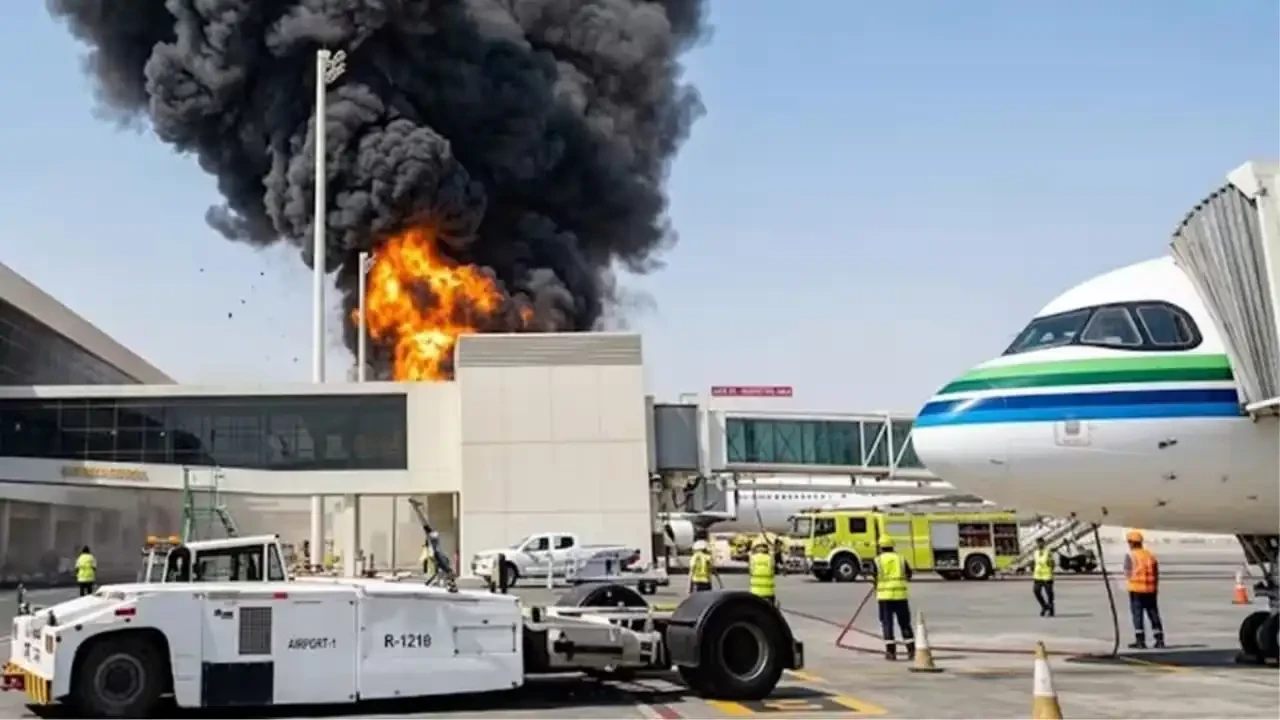
New Delhi, October 22, 2026: India has condemned attacks targeting civilian and energy infrastructure in Saudi Arabia after an Indian national was killed in an attack on King Fahd International Airport in Dammam. Two other Indian nationals were injured in the same incident, prompting the Indian government to seek further details and extend assistance to affected families.
The attack, which took place on Wednesday evening, October 21, has intensified concerns over the safety of civilians and foreign workers amid escalating security threats across the Gulf region.
India's Ministry of External Affairs (MEA) expressed condolences to the family of the deceased and wished those injured a speedy recovery. New Delhi also reiterated its hope that peace and normalcy would return to the region as tensions surrounding Saudi Arabia's airports and energy facilities continued.
Indian National Among Two Killed in Dammam Airport Attack
The attack on King Fahd International Airport in Dammam, eastern Saudi Arabia, killed two people and injured eight others, according to information released by Saudi authorities.
The Indian Embassy in Riyadh confirmed that one Indian national was among those killed, while two other Indian citizens were among the injured.
Saudi Arabia's General Authority of Civil Aviation said the casualties included residents of several nationalities. Some of the injured were reported to be in serious condition, highlighting the human cost of attacks on civilian aviation infrastructure.
The Indian Embassy said it was working to establish further details about the incident and contact the affected families.
The loss of an Indian citizen has drawn particular attention in New Delhi, given the substantial Indian expatriate community living and working in Saudi Arabia. Indian nationals contribute significantly to the kingdom's construction, healthcare, engineering, transport, energy and service sectors.
For families dependent on overseas employment, incidents of this nature underscore the importance of workplace safety, emergency assistance and effective coordination between diplomatic missions and host-country authorities.
India Condemns Attacks and Calls for Regional Normalcy
The Indian government has strongly criticised attacks targeting civilian and energy infrastructure in Saudi Arabia.
The MEA expressed concern over the incidents at Dammam airport and the Shaybah oilfield, emphasising the need for peace and a return to normal conditions in the region.
India's response reflects its broader diplomatic priorities: protecting Indian nationals overseas, maintaining close relations with Saudi Arabia and supporting regional stability.
New Delhi has consistently opposed attacks that put civilian lives and essential infrastructure at risk. The latest statement follows earlier Indian condemnations of attacks on Saudi airports, including King Khalid International Airport in Riyadh and Abha International Airport.
India's diplomatic engagement is especially significant because Saudi Arabia is an important strategic and economic partner. The two countries maintain extensive trade, energy and investment ties, alongside a large Indian community residing in the kingdom.
The government is expected to continue coordinating with Saudi authorities as additional information about the victims and the circumstances of the attack becomes available.
Separate Attack at Shaybah Oilfield Raises Energy Security Concerns
The airport attack was accompanied by a separate security incident at Saudi Arabia's Shaybah oilfield, a major energy facility operated by Saudi Aramco.
Saudi authorities said air defences intercepted a drone attempting to target the oilfield on Wednesday. Debris from the interception reportedly caused casualties among residents in the surrounding area.
An Indian national was also reported injured in an incident at the oilfield, with the Indian Embassy confirming that it was in contact with Saudi authorities and would provide the necessary assistance.
The Shaybah field is located in Saudi Arabia's southeastern desert region, near the border with the United Arab Emirates. It is an important part of the kingdom's petroleum infrastructure and contributes to its position as one of the world's leading oil producers.
Although Saudi air defences intercepted the drone, the incident demonstrates that even successful interceptions can carry risks when debris falls near populated areas or industrial facilities.
Attacks and attempted attacks on energy infrastructure can also increase concerns about supply disruptions, operational safety and the cost of protecting critical installations.
Why Saudi Arabia's Security Situation Matters to India
Saudi Arabia is a key partner for India in energy, trade, investment and employment. Any prolonged deterioration in the kingdom's security environment could have consequences extending well beyond the immediate region.
Millions of Indian nationals live and work across Gulf countries, making the protection of overseas citizens a major consideration for Indian foreign policy.
Saudi Arabia is also an important source of crude oil for international markets. Threats to oilfields, export terminals and transport infrastructure can affect market sentiment, shipping insurance and energy prices, even when actual production losses are limited.
For India, higher crude oil prices could increase the import bill and place additional pressure on transport costs, inflation and industrial production.
The wider implications also extend to aviation. Attacks near airports can prompt flight diversions, operational restrictions and additional security measures. Passengers travelling through the region may face delays or schedule changes if authorities impose temporary restrictions.
However, the full impact will depend on the extent of infrastructure damage, the duration of any operational disruption and whether further attacks occur.
Growing Regional Tensions Put Civilian Infrastructure at Risk
The latest incidents come amid an increasingly volatile security environment involving Saudi Arabia and Yemen's Houthi movement.
The Houthis, who control substantial territory in Yemen and maintain close ties with Iran, have conducted attacks against Saudi targets during the current escalation. Similar attacks have previously affected airports, energy facilities and other strategic locations.
Responsibility for individual incidents should be established through verified evidence and official investigations. Nevertheless, the continuing threat of drone and missile attacks has raised serious concerns about the vulnerability of civilian infrastructure.
Airports and oilfields are essential to economic activity and public welfare. Attacks on these facilities can cause deaths and injuries, interrupt commercial operations and increase pressure on regional governments to strengthen security measures.
The risk of further escalation also complicates diplomatic efforts to restore stability. Governments must balance defensive requirements with the need to prevent a wider conflict that could affect civilians, international trade and global energy supplies.
What Happens Next?
The immediate priorities are to support the victims, establish the full circumstances of the attacks and strengthen safeguards for civilians and critical infrastructure.
The Indian Embassy in Riyadh is coordinating with Saudi authorities to obtain further information and assist affected Indian nationals and their families.
Saudi authorities will also face the task of assessing damage, reviewing security arrangements and ensuring that airports and energy facilities can operate safely.
For India, the situation reinforces the importance of diplomatic coordination and emergency preparedness for its citizens in the Gulf. Travellers and residents should follow official advisories and instructions from local authorities as the security situation develops.
Conclusion
The death of an Indian national in the Dammam airport attack has brought the human consequences of Saudi Arabia's deteriorating security situation into sharp focus. With two other Indians injured in the airport incident and another Indian national reportedly injured at the Shaybah oilfield, the developments have prompted renewed concern in New Delhi.
India's condemnation highlights its commitment to protecting civilian lives and maintaining regional stability. As investigations continue and authorities assess the consequences of the attacks, the priority remains clear: support those affected, safeguard essential infrastructure and prevent further escalation.
The incidents serve as a reminder that instability in the Gulf can have direct consequences for Indian citizens, international aviation, energy security and the wider global economy.