
Russia-Ukraine Peace Talks: Trump Signals Hope as Putin Rejects Proposals

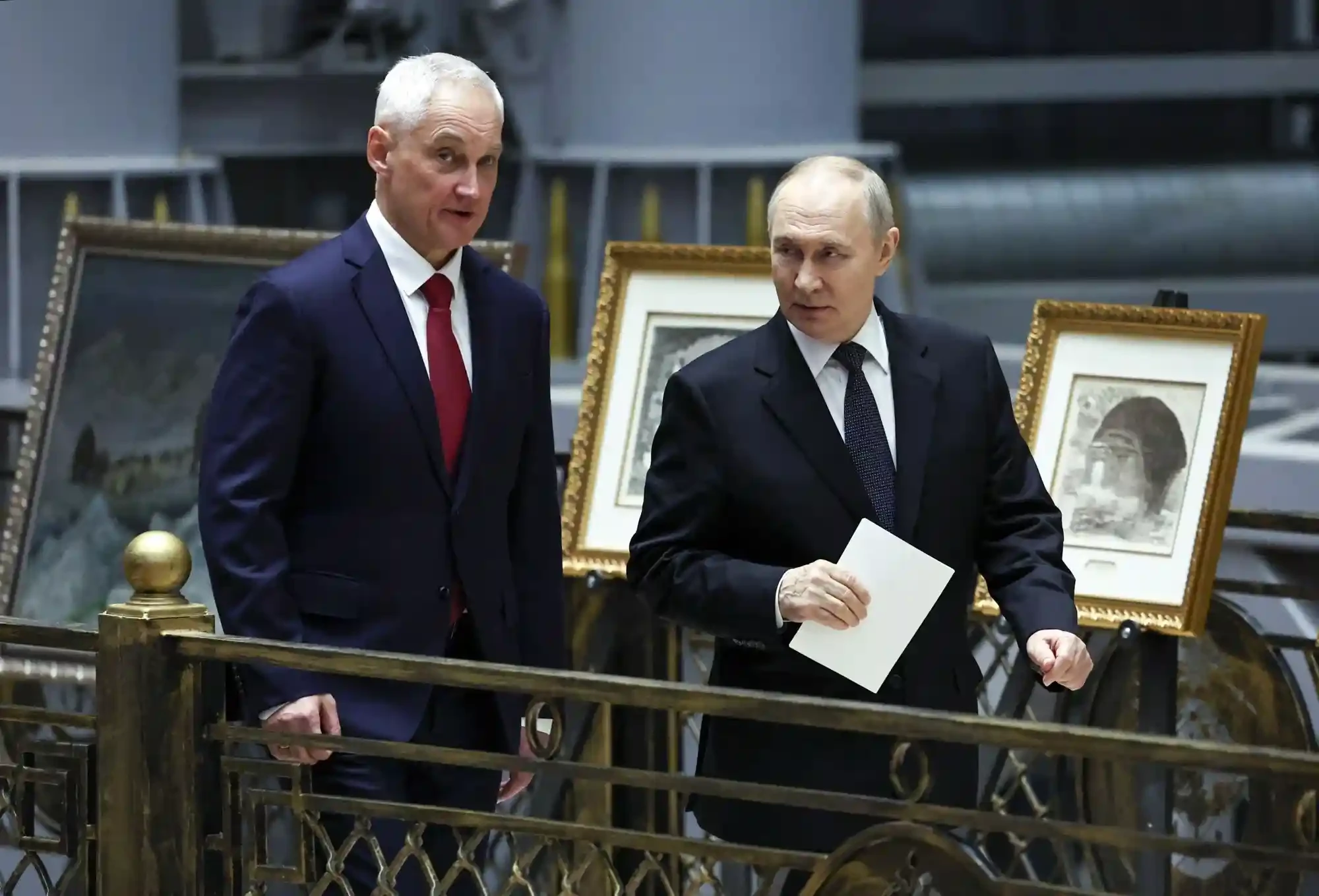
Russia-Ukraine Peace Talks: Trump Signals Hope as Putin Rejects Proposals
October 22, 2026 — International efforts to end the Russia-Ukraine war have entered another critical phase after Russian President Vladimir Putin met US special envoy Steve Witkoff in St Petersburg. The meeting has renewed discussion about a possible diplomatic breakthrough, although substantial differences between Moscow, Kyiv and Western governments remain unresolved.
US President Donald Trump has expressed optimism about the prospects of ending the conflict, describing the latest diplomatic efforts as the closest the parties have come to reaching an agreement. However, Russia's response to recent peace proposals suggests that negotiations still face considerable obstacles.
US-Russia Talks Raise Hopes for a Ukraine Peace Deal
Witkoff's meeting with Putin followed discussions in Oslo involving Ukrainian President Volodymyr Zelenskyy and European leaders. Those talks were intended to bring the parties closer together and address tensions surrounding Washington's approach to ending the war.
According to the Kremlin, Witkoff briefed Putin on updated proposals and positions presented by Ukraine and its European partners. Russian officials nevertheless questioned the substance of the proposals, indicating that Moscow was not yet convinced they provided a workable basis for a settlement.
The US envoy described his discussions with Putin as constructive but acknowledged that significant work remained. Further engagement between the United States, Russia and Ukraine is expected to continue through technical-level discussions.
The contrasting messages from Washington and Moscow highlight the central challenge facing negotiators: diplomatic engagement is continuing, but progress towards a comprehensive peace agreement remains uncertain.
Russia Signals Readiness to Resume Trilateral Negotiations
One of the most significant developments is Russia's stated willingness, in principle, to resume trilateral talks involving Moscow, Kyiv and Washington.
Kremlin aide Yuri Ushakov indicated that discussions could resume around mid-November, following the US midterm elections. Moscow has also signalled that post-war security arrangements should be an important focus of future negotiations.
Zelenskyy has expressed support for restarting the talks as soon as possible, suggesting that Kyiv remains open to a diplomatic process.
Nevertheless, agreeing to meet is only the first step. Any meaningful agreement would need to address difficult questions involving territorial control, security guarantees, military activity and the future relationship between Ukraine and Russia.
The parties would also need to establish mechanisms for implementing and monitoring any settlement. Without clear commitments and credible enforcement arrangements, even a diplomatic breakthrough could prove fragile.
Putin-Trump-Xi Summit Could Reshape Global Diplomacy
The prospect of a meeting involving Putin, Trump and Chinese President Xi Jinping has added another layer to the evolving diplomatic picture.
Russian officials have indicated that preparations are under way for a potential three-way summit in Shenzhen, China, next month. If confirmed, such a meeting could provide an important opportunity for discussions involving three major global powers.
China's role could be particularly significant because of its relationship with Moscow and its broader ambitions in international diplomacy. A summit could create space for discussions about strategic stability, international security and the wider geopolitical consequences of the Ukraine conflict.
However, a meeting between the three leaders should not automatically be interpreted as a direct route to a Ukraine peace deal. Ukraine's own participation and the positions of European governments would remain important to any durable settlement.
The key question is whether high-level diplomatic engagement can translate into specific commitments accepted by the parties directly involved in the war.
Fighting Continues Despite Renewed Diplomatic Activity
The latest diplomatic contacts have taken place against a continuing backdrop of violence.
Russian strikes have caused casualties and damage in Ukrainian cities, including Kyiv and areas of the eastern Kharkiv region. Ukrainian officials have also reported attacks affecting civilian infrastructure, while Russian authorities have reported casualties following a Ukrainian drone strike.
The continuing attacks underscore the gap between diplomatic statements and conditions on the ground. For civilians, the prospect of peace will depend not on summit announcements alone but on whether military operations decrease and essential infrastructure becomes safer.
The approach of winter adds further urgency. Damage to energy systems, transport networks and residential areas can intensify humanitarian pressures, making the protection of civilians and critical infrastructure an important consideration in any negotiations.
Release of Detained American Adds a Diplomatic Dimension
The Putin-Witkoff meeting also coincided with the release of Stephen Hubbard, a US citizen who had been detained in Russia for several years.
Trump said the release followed his request and did not require an exchange. Witkoff praised Putin for the decision, prompting criticism from some American political figures over his positive description of the Russian president.
The episode illustrates how individual cases involving detained citizens can become part of broader diplomatic engagement. Such developments may help sustain communication between governments, but they do not resolve the underlying disagreements over the war.
The US administration must also navigate competing priorities: pursuing negotiations, addressing domestic political considerations and maintaining its relationships with Ukraine and European allies.
What Happens Next in the Russia-Ukraine War?
The coming weeks could prove important for the future of Ukraine peace negotiations. The possibility of renewed trilateral talks offers a channel for continued engagement, while a potential meeting between Trump, Putin and Xi could influence the wider international environment.
Still, several fundamental questions remain unanswered. These include the future of occupied Ukrainian territory, the security arrangements required by Kyiv, Russia's military and political objectives, and the role European governments would play in implementing a settlement.
For now, the diplomatic picture is mixed. Washington is highlighting the possibility of progress, Moscow is questioning the proposals on the table, and Ukraine is calling for negotiations to resume promptly.
The distinction between renewed dialogue and an actual peace agreement remains crucial. Until the parties demonstrate agreement on concrete terms and a credible path towards implementation, predictions that the war is nearing its end should be treated cautiously.
The bottom line: Fresh diplomatic contacts have reopened the possibility of progress in the Russia-Ukraine conflict, but the path to peace remains uncertain. The next round of negotiations will show whether optimism from Washington can be translated into an agreement acceptable to Moscow and Kyiv.