
US Meat Recall 2026: 1.58 Million Pounds of Meat Products Recalled

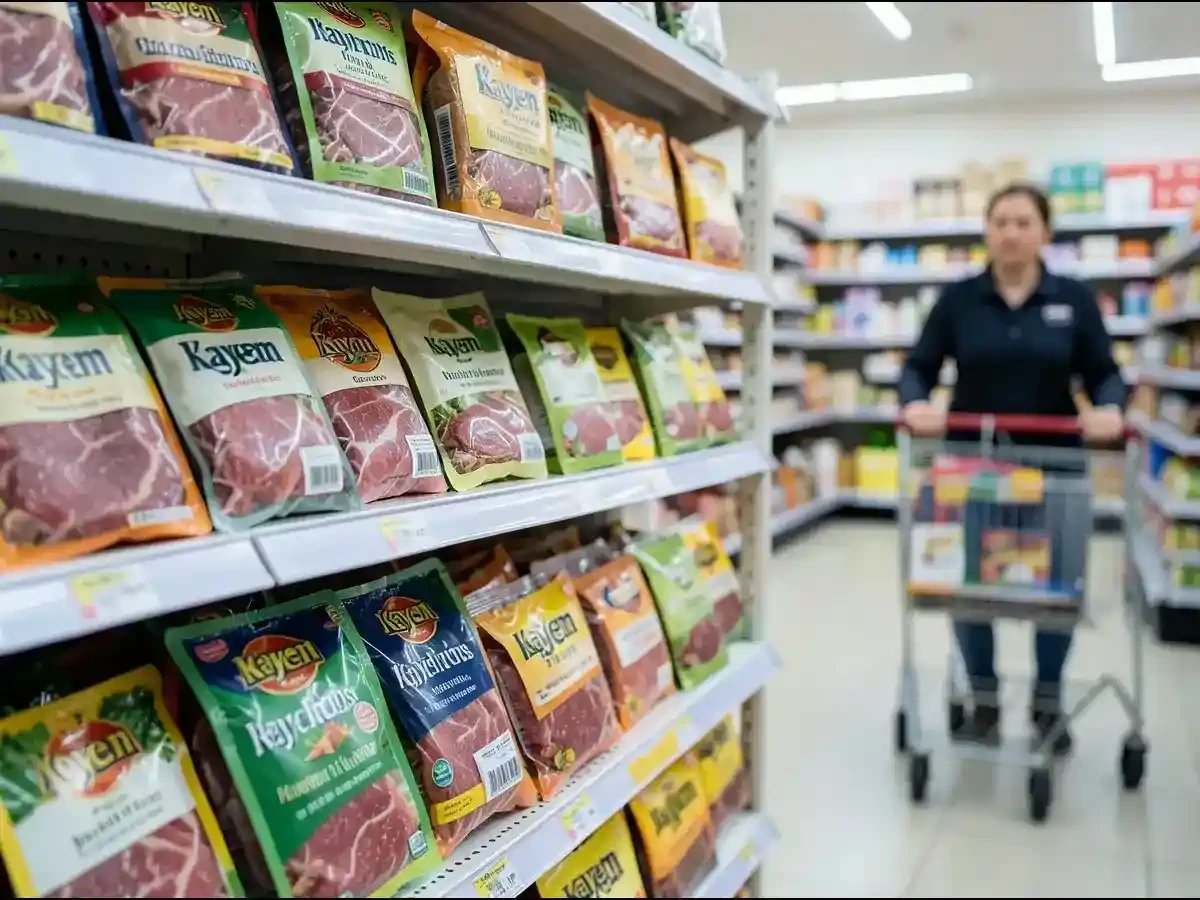
US Recalls 1.58 Million Pounds of Meat Products After Warehouse Cooling Failure
A nationwide food safety alert has been issued in the United States after Kayem Foods Inc. announced a voluntary recall of approximately 1,584,361 pounds of ready-to-eat meat and poultry products, including hot dogs, bacon, sausages, ham and deli meats.
The recall was announced on October 17 by the US Department of Agriculture's Food Safety and Inspection Service (FSIS), following an investigation that found certain products may have been stored at temperatures outside the required safe range.
The affected products were manufactured between approximately March 31 and October 7, 2026, and distributed to retail stores and foodservice locations across the United States, as well as Hong Kong.
Federal authorities have assigned the recall a Class I classification, indicating a reasonable probability that consuming the affected products could cause serious health consequences or death. No confirmed illnesses linked to the recalled products had been reported at the time of the agency's announcement.
The recall has raised concerns about food storage practices, cold-chain management and the importance of checking product labels before consuming ready-to-eat meat.
What Caused the Major Meat Recall?
According to the FSIS, the problem first came to light on October 1, when a retail customer complained that meat products had arrived at the delivery point at unusually warm temperatures.
Kayem Foods investigated the complaint and discovered that a warehouse cooler used to store various ready-to-eat meat and poultry products had experienced temperature fluctuations.
The company attributed the incident to a malfunction in the warehouse cooling system. Such temperature deviations can compromise food safety because perishable products may spend time outside the conditions required to control the growth of harmful microorganisms.
Ready-to-eat meat products require appropriate temperature control throughout storage and distribution because consumers may eat them without further cooking. Improper storage can therefore create risks even when products appear normal.
Kayem Foods said the cooling-system issue had been corrected and apologised to customers. The company also said it was taking responsibility for the incident and working to prevent a recurrence.
The recall is intended to remove potentially unsafe products from circulation as a precautionary measure.
Which Meat Products and Brands Are Affected?
The recall covers a wide range of cooked meat and poultry products sold under multiple brand names. These include products commonly purchased for household meals, sandwiches, breakfast and quick snacks.
Affected product categories include:
- Hot dogs and franks: Various beef, pork and other frankfurter products.
- Bacon: Including smoked and thick-cut varieties.
- Sausages: Including chicken sausages, breakfast sausages and other flavoured varieties.
- Ham and deli meats: Including sliced ham, turkey, bologna and other prepared meats.
- Other ready-to-eat products: Including smoked brisket, kielbasa, liverwurst, corned beef and certain prepared meat products.
The brands identified in the recall include Kayem, Al Fresco, McKenzie, Triple M, Deutschmacher, Genoa, Jordan's, Essem and Winnisimmet St. Butchery.
Not every product sold under these brands is necessarily affected. The recall applies to specific products and packages, so consumers should verify the exact product details against the official USDA recall list rather than relying on brand names alone.
The establishment numbers associated with the recalled products are:
EST. M/P 7839EST. P 20935AEST. M 9520
These numbers appear inside the USDA mark of inspection on affected packaging. Consumers should compare them with the full product list, including UPC codes and label images, published by the FSIS.
\<WritingBlock id="84621" variant="document">### Why Has the USDA Classified This as a Class I Recall?
A Class I recall is the highest-risk classification used by the FSIS. It indicates that there is a reasonable probability that consuming the affected product could cause serious adverse health consequences or death.
The classification reflects the potential severity of the food safety risk; it does not mean that every recalled package is contaminated or that illnesses have necessarily occurred.
In this case, the central concern is possible temperature abuse during storage. When meat and poultry are kept outside safe temperature conditions, harmful bacteria may multiply, depending on the duration and conditions of exposure.
The agency has not confirmed any illnesses associated with the recalled products. Nevertheless, consumers should not assume that a product is safe because it looks, smells or tastes normal. Food safety risks cannot always be detected through appearance or smell.
What Should Consumers Do If They Have Bought Recalled Meat?
The FSIS is concerned that some affected products may still be stored in household refrigerators or freezers. Consumers are advised to take the following precautions.
- Check your refrigerator and freezer. Look for the affected brands and compare the product name, package details, UPC code and establishment number with the official recall notice.
- Do not eat affected products. Do not taste them to determine whether they are safe.
- Dispose of the recalled meat or return it to the retailer. Follow the recall instructions and avoid giving the products to other people or animals.
- Clean any surfaces that may have contacted leaking or contaminated packaging. Wash your hands thoroughly after handling the products and follow appropriate food-safety cleaning practices.
- Seek medical advice if you are concerned about illness. Anyone who develops concerning symptoms after eating a potentially affected product should contact a healthcare professional.
Consumers with questions about the recall can contact Kayem Foods customer service at 800-426-6100 or email info@kayem.com. The USDA Meat and Poultry Hotline is available at 888-674-6854.
For the complete list of recalled products and package labels, consult the official USDA FSIS recall announcement.
Where Were the Recalled Products Distributed?
According to the FSIS, the products were shipped to retail stores and foodservice locations throughout the United States and to Hong Kong.
Because the distribution network includes multiple retailers and foodservice businesses, consumers should not assume that the recall is limited to Massachusetts, where Kayem Foods is based, or to stores that have separately publicised the alert.
Retail distribution information and product-specific recall details are important for identifying potentially affected packages. The official FSIS notice remains the primary reference for checking whether a particular product is included.
What This Recall Means for Food Safety
The incident highlights the importance of maintaining an uninterrupted cold chain for perishable foods. Manufacturers, warehouse operators, transport providers and retailers all play a role in ensuring that meat products remain within appropriate temperature limits.
Cooling-system failures can create risks even when food has been manufactured correctly. Monitoring equipment, temperature records, rapid investigation of customer complaints and effective product traceability are therefore essential parts of food safety management.
For consumers, the recall also reinforces the importance of paying attention to official food safety alerts. Large recalls can involve numerous product names, package sizes and distribution channels, making it difficult to identify affected items from a headline alone.
The absence of confirmed illnesses is reassuring, but it does not eliminate the need to follow the recall instructions.
Kayem Foods is recalling approximately 1.58 million pounds of ready-to-eat meat and poultry products because a warehouse cooling malfunction may have exposed them to unsafe storage temperatures. Consumers should check their products against the official USDA list, avoid eating anything covered by the recall and discard or return affected items promptly.