
Marco Rubio Says India-US Trade Deal Is 99% Complete

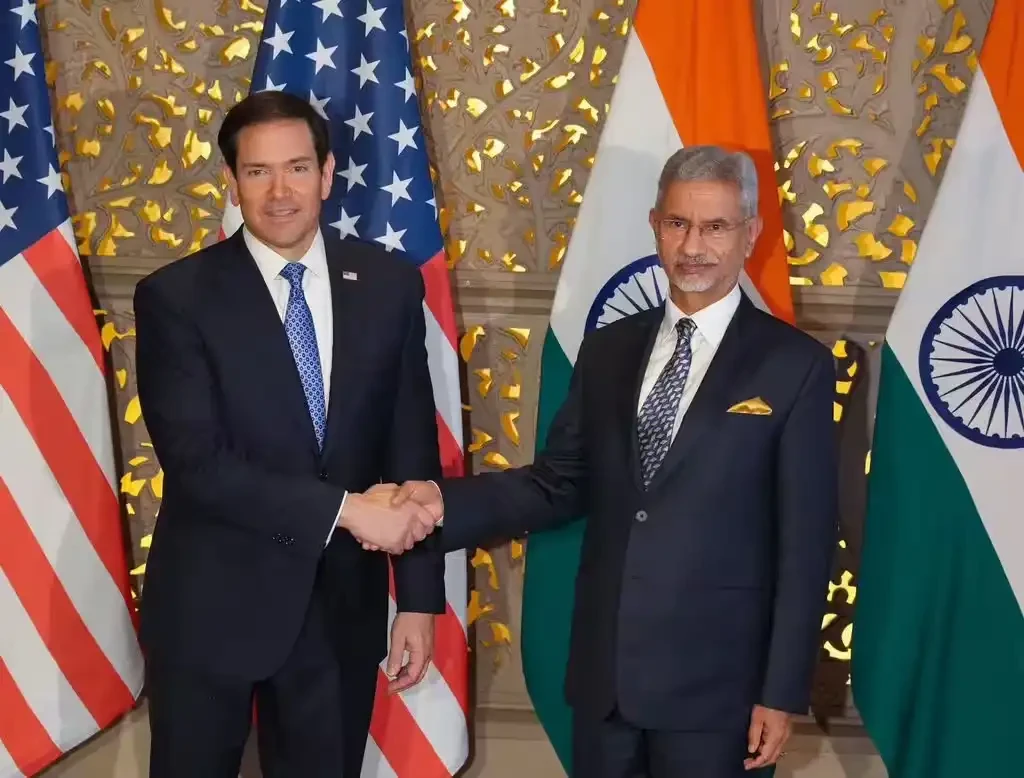
Marco Rubio Says India-US Trade Deal Is 99% Complete, Final Agreement Expected Soon
India-US Trade Deal Nears Finalisation
The proposed India-US trade agreement is approaching its final stage, with US Secretary of State Marco Rubio stating that approximately 99% of the work has been completed. The remaining negotiations largely concern specific wording, phrases and technical details, raising expectations that both countries could finalise the long-awaited pact within weeks.
During his visit to India, Rubio described bilateral relations as positive and important to Washington's foreign policy. He acknowledged that trade disagreements have created friction between the two countries but emphasised that cooperation continues across several strategic areas.
The agreement has faced delays amid disagreements over tariffs, market access and India's purchases of Russian crude oil. However, recent diplomatic engagement has renewed hopes of a breakthrough that could strengthen economic ties between New Delhi and Washington.
Rubio stressed that a sustainable agreement must benefit both sides, indicating that the final arrangement will need to balance the economic priorities of India and the United States.
Russian Oil and Tariffs Remain Central to Negotiations
India's imports of Russian oil have been a significant source of tension in bilateral relations. Washington has previously considered additional tariffs on countries purchasing Russian crude, linking its approach to wider efforts to pressure Moscow over the Russia-Ukraine war.
However, US President Donald Trump's recent decision to waive potential tariffs associated with Russian oil purchases has eased one immediate obstacle to the trade negotiations.
Rubio acknowledged that countries face different geographical and economic circumstances when securing energy supplies. India depends heavily on imported crude oil, making rapid changes to its energy procurement strategy difficult.
The US administration has also recognised the importance of balancing its foreign policy objectives with global energy requirements and its relationship with India.
The final trade agreement could therefore have important implications for US tariffs on Indian goods, bilateral trade, energy imports and long-term economic cooperation. Nevertheless, the precise tariff structure and other commitments will depend on the final terms agreed by both governments.
Venezuela Emerges as a New Energy Cooperation Opportunity
Energy security is another major priority during Rubio's India visit, particularly discussions involving Reliance Industries and its refining operations in Gujarat.
Rubio has highlighted the potential for Indian refineries to process more Venezuelan crude oil as production in the South American country expands. India's advanced refining capacity, particularly at the Jamnagar complex, could make it an important participant in efforts to diversify global energy supplies.
The discussions also concern potential opportunities for Reliance to explore oil production activities in Venezuela.
For Washington, greater cooperation with Indian energy companies could help expand the market for Venezuelan crude. For India, diversifying its sources of oil could improve supply flexibility and reduce dependence on individual suppliers.
These developments indicate that India-US energy cooperation is becoming an increasingly important component of the broader bilateral relationship, alongside trade, investment and technology.
Rubio Addresses Concerns Over China, Pakistan and Regional Security
Beyond economic negotiations, Rubio has emphasised the importance of maintaining strong relations with India amid changing geopolitical circumstances.
Cooperation through the Quadrilateral Security Dialogue, or Quad, remains a significant part of the relationship. The grouping brings together India, the United States, Japan and Australia to discuss regional security and broader Indo-Pacific priorities.
Rubio also sought to reassure India that US relationships with other countries, including Pakistan and China, would not necessarily come at India's expense.
His comments come against the backdrop of regional competition, strategic concerns about China's influence and longstanding differences between India and Pakistan.
For New Delhi, maintaining a strong partnership with Washington remains important for defence cooperation, emerging technologies, maritime security and the wider Indo-Pacific balance.
US Visa Policies and Indian Diaspora Concerns
Immigration policy and tighter US visa restrictions have also contributed to concerns in India, particularly among professionals, students and members of the Indian diaspora.
Rubio has maintained that the Trump administration's immigration measures are part of its broader domestic policy approach rather than actions specifically directed against India.
Nevertheless, changes to visa rules can affect Indian students, skilled workers, technology companies and families with connections across the two countries.
The issue highlights a wider challenge in bilateral relations: strengthening strategic and commercial cooperation while managing disagreements over immigration, trade and domestic policy.
What Comes Next for India-US Relations?
Rubio's assessment that the trade agreement is 99% complete signals considerable progress, but it does not mean that the deal has already been signed or formally concluded.
Both governments still need to resolve the remaining details and establish the final terms. Businesses will be watching closely for announcements concerning tariffs, market access, investment opportunities and implementation timelines.
If negotiations conclude successfully, the agreement could create fresh opportunities for exporters, manufacturers, technology firms and energy companies in both countries.
For India and the United States, the immediate challenge is to convert diplomatic progress into a practical agreement that delivers economic benefits while supporting their broader strategic partnership.
The coming weeks could prove decisive as both sides work towards finalising one of the most closely watched trade negotiations in their bilateral relationship.