
Middle East Crisis Escalates: US Evacuates Diplomats as Iran Tensions Rise

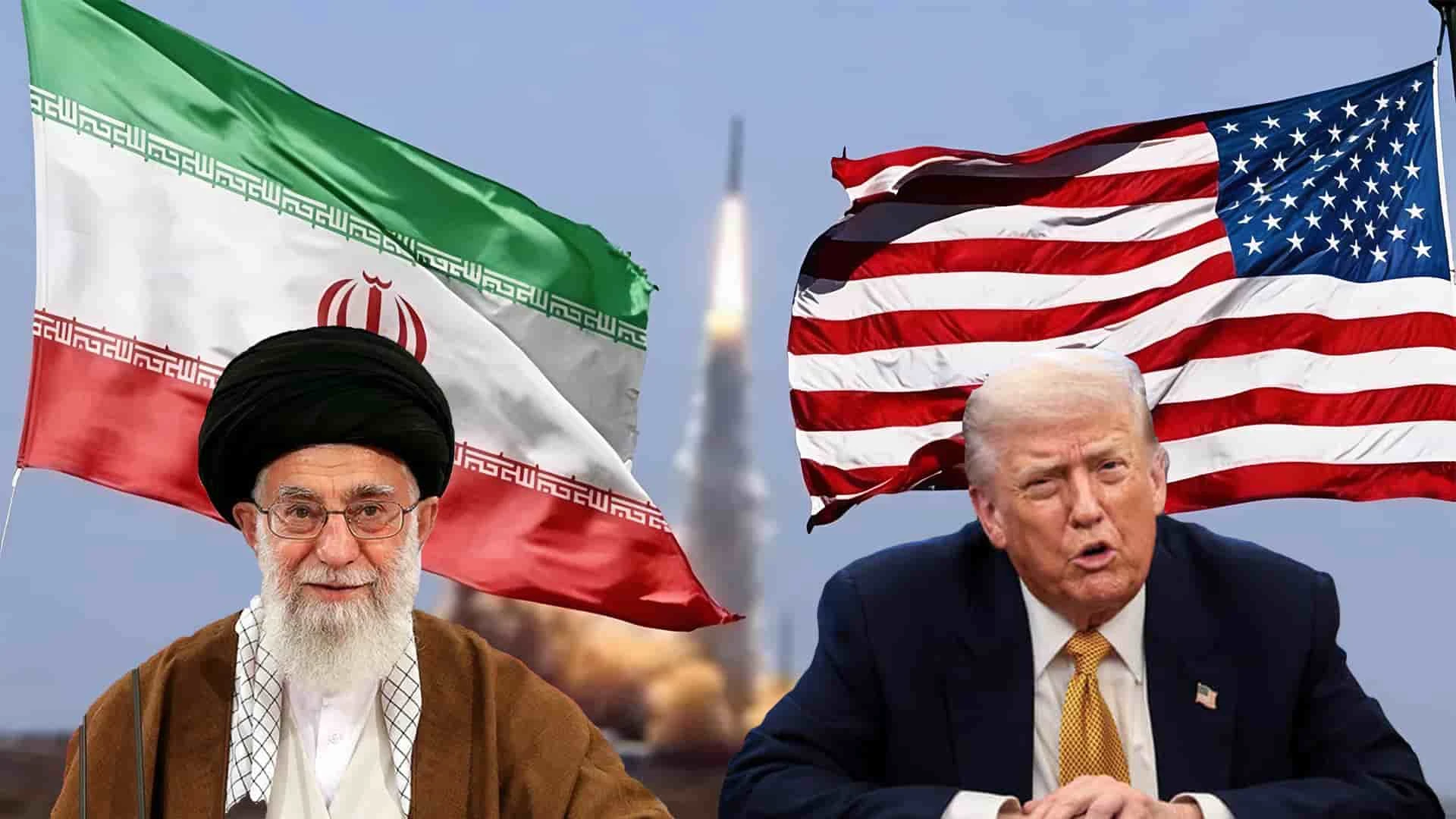
Middle East on Edge: US Withdraws Diplomats as Iran Conflict Threatens Global Oil Routes
October 22, 2026 — The Middle East is facing another period of heightened instability as the United States orders non-essential diplomatic personnel and their families to leave Saudi Arabia following deadly attacks by Yemen's Houthi movement. The development comes amid continuing tensions involving Iran, growing security concerns across the Gulf and uncertainty surrounding the future of maritime traffic through the Strait of Hormuz.
The latest escalation has raised concerns about the potential expansion of the regional conflict, the safety of American personnel and the stability of global energy supplies. With airports, oil facilities and shipping routes facing increased risks, governments and energy markets are closely monitoring developments.
US Orders Diplomatic Personnel to Leave Saudi Arabia
The US State Department has ordered non-emergency government employees and their family members to depart Saudi Arabia as security threats increase across the kingdom.
Washington cited attacks by Iran-backed Houthi forces on civilian airports and other critical infrastructure, warning that hostilities could escalate rapidly. The order covers the US Embassy in Riyadh and associated consular facilities.
The decision follows a series of attacks that have caused casualties and disrupted travel. Recent incidents have included strikes affecting King Fahd International Airport in Dammam and a drone attack targeting the Shaybah oilfield near the border with the United Arab Emirates.
Saudi authorities have also faced repeated threats to aviation facilities and energy infrastructure, raising concerns about the country's ability to maintain normal commercial operations while defending strategic assets.
The US withdrawal of designated personnel is a precautionary security measure and does not, by itself, indicate that Washington has decided to launch a new military operation.
The move nevertheless highlights the deteriorating security environment facing American diplomatic missions in the Gulf.
Houthi Attacks Raise Fears of a Wider Regional Conflict
The Houthi movement, which controls substantial territory in Yemen, has expanded its attacks against Saudi targets amid the wider regional confrontation.
The group has used missiles and drones against airports, energy installations and other strategic locations. Its actions have increased pressure on Saudi Arabia, which has long been involved in Yemen's conflict and has supported the internationally recognised Yemeni government.
The Houthis have presented their operations as retaliation for actions against their territory and restrictions affecting access to areas under their control. Their campaign has also raised questions about the risk of further military responses from Saudi Arabia and its partners.
For regional governments, the immediate challenge is protecting civilian populations and essential infrastructure while preventing the conflict from spreading.
The latest attacks could also complicate diplomatic efforts to contain hostilities involving Iran. Although the Houthis maintain close ties with Tehran, their actions and decisions should not automatically be treated as identical to those of the Iranian government.
Any additional escalation could expose more commercial facilities, transport networks and military installations to attack.
Iran and the Strait of Hormuz: Why Global Markets Are Concerned
The Strait of Hormuz remains central to the international economic consequences of the crisis.
Located between Iran and Oman, this narrow waterway connects the Persian Gulf with the Gulf of Oman and the wider Arabian Sea. It is one of the world's most important energy corridors, carrying a substantial share of internationally traded oil and liquefied natural gas.
Disruption to shipping through the strait can delay energy deliveries, increase insurance costs and force vessels to consider alternative routes where available.
The current confrontation has heightened concerns about maritime security, with reports of attacks on vessels and threats to commercial shipping. Iranian military statements have also raised the prospect of further action against ships operating in the region.
US President Donald Trump has expressed confidence that the situation involving Iran could be resolved in the near future, while publicly disputing claims that Washington is engaged in negotiations with Tehran.
Such statements leave considerable uncertainty about the diplomatic path ahead. The possibility of a resolution remains distinct from a confirmed agreement, particularly when the parties continue to disagree over security conditions and military activity.
For oil-importing countries, including India, developments around the Strait of Hormuz are especially significant. Higher crude prices can increase fuel costs, put pressure on inflation and complicate government efforts to manage energy expenses.
Oil Prices, Shipping and the Global Economic Impact
The combination of attacks on Saudi infrastructure and uncertainty over the Strait of Hormuz has placed renewed attention on global energy markets.
Saudi Arabia is a major oil producer and an important supplier to international markets. Threats to its oilfields, export infrastructure or transport routes can influence expectations about supply, even when actual production losses remain limited or unclear.
Shipping companies must also assess the possibility of missile or drone attacks, navigation restrictions and higher insurance premiums. These risks can raise transportation costs and delay deliveries of crude oil, petroleum products and other goods.
The economic impact could extend well beyond the Middle East. Higher energy prices can increase costs for airlines, manufacturers, logistics companies and electricity producers. Countries that depend heavily on imported fuel may face additional pressure on trade balances and domestic prices.
For India, the implications could include a higher import bill, increased pressure on fuel-related costs and greater uncertainty for businesses dependent on international shipping.
However, the scale of any economic impact will depend on the duration of the disruption, the extent of damage to energy infrastructure and whether commercial vessels can continue operating safely.
What the Crisis Means for Saudi Arabia and Its Allies
Saudi Arabia now faces the challenge of strengthening its air defences while maintaining confidence in its transport and energy sectors.
The kingdom's airports and oil installations are economically important, and repeated attacks can affect commercial travel, investment decisions and perceptions of regional stability.
International partners may provide additional defensive assistance, intelligence cooperation or other security support. At the same time, governments must weigh the risks of a broader military response that could trigger further retaliation.
The United States faces a similar dilemma. Protecting its personnel and interests remains an immediate priority, but any decision to expand military operations could have consequences for American forces, regional allies and global energy markets.
The coming days will be important in determining whether the latest attacks remain contained or lead to a wider confrontation.
What Happens Next in the Middle East Crisis?
Three developments will be particularly important to watch.
First, the scale and frequency of Houthi attacks will help indicate whether Saudi Arabia's security situation is stabilising or deteriorating further.
Second, developments involving Iran and the Strait of Hormuz will determine whether commercial shipping faces additional restrictions or sustained disruption. Any confirmed agreement that improves maritime security could ease some of the pressure on energy markets.
Third, Washington's next steps will shape the diplomatic and military outlook. Further security measures, renewed diplomatic engagement or additional military action could each influence the trajectory of the crisis.
For now, the situation remains fluid. The departure order for US personnel reflects serious security concerns, while the continuing confrontation involving Iran, the Houthis and regional governments highlights the difficulty of containing multiple interconnected threats.
Conclusion: The Middle East crisis has entered a consequential phase, with attacks on Saudi infrastructure and uncertainty surrounding Iran placing regional security and global energy supplies under renewed pressure. Whether the situation moves towards de-escalation or a broader confrontation will depend on military developments, diplomatic engagement and the security of the region's vital shipping routes.