
New York Horse Carriage Ban: Rides to End by June 2028

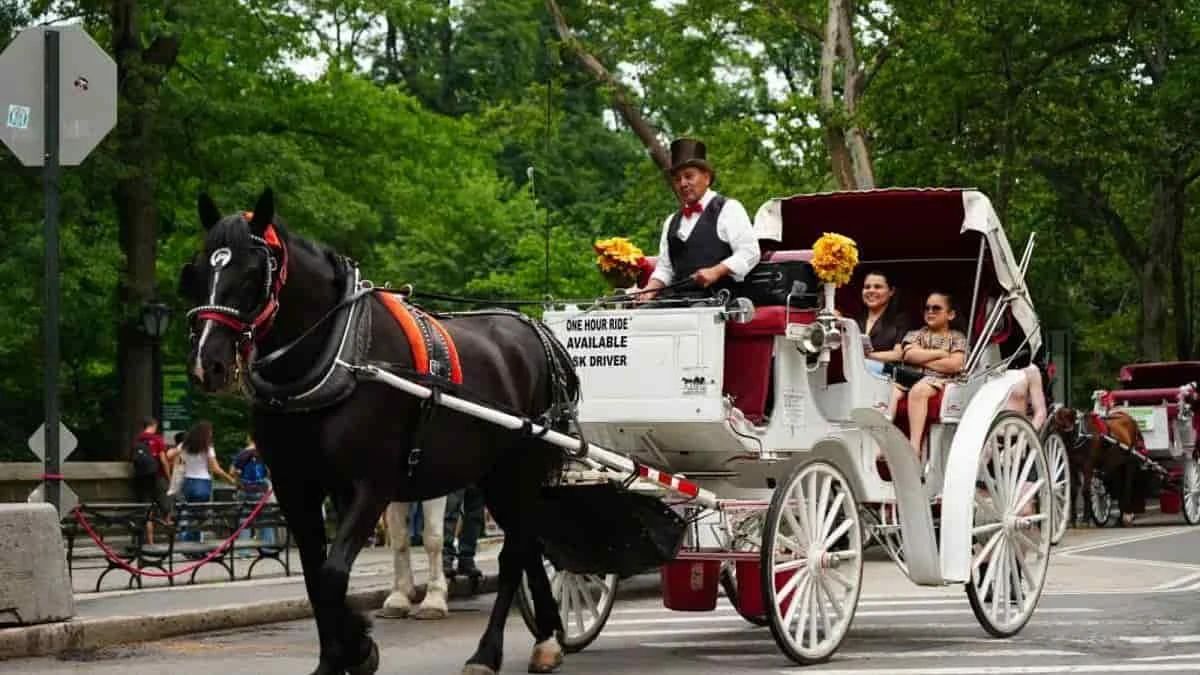
New York City Approves Historic Horse Carriage Ban
NEW YORK New York City has voted to end its long-running horse-drawn carriage industry, approving legislation that will prohibit the operation of horse-drawn carriages for hire from June 1, 2028.
The legislation, known as Romanch’s Law, was passed by the New York City Council on October 22. It marks a significant change for Central Park, where horse-drawn carriage rides have been a familiar tourist attraction since the 19th century.
The decision follows renewed public concern over passenger safety and animal welfare after a fatal carriage accident involving an Indian visitor earlier this year. Supporters of the ban say the move is necessary to address safety risks and improve protections for horses, while opponents warn that it threatens an established tourism tradition and the livelihoods of workers.
The ban will take effect after a transition period, giving carriage operators time to prepare for the end of their businesses.
Death of Indian Tourist Romanch Mahajan Renewed Safety Concerns
The death of 18-year-old Romanch Mahajan in June 2026 became a turning point in the debate over horse-drawn carriage rides in New York City.
Mahajan, an Indian tourist visiting the city with his family, died after a horse pulling a carriage bolted in Central Park. Reports said the carriage was involved in a collision with another carriage before overturning, throwing the teenager from the vehicle.
The incident intensified calls from advocates and some local officials to reconsider the safety of horse-drawn carriages in an increasingly busy urban environment.
Central Park attracts large numbers of pedestrians, cyclists and other visitors. Critics of the carriage industry have argued that the interaction between horses, vehicles and crowded park routes creates risks for passengers, workers and animals.
The tragedy renewed a debate that had continued for decades, with animal welfare organisations and campaigners repeatedly calling for the industry to be phased out.
Animal Welfare and Public Safety at the Centre of the Decision
Supporters of the legislation argue that horse-drawn carriages are increasingly difficult to reconcile with modern urban transport and animal welfare standards.
Concerns have included the risks associated with horses operating near traffic and crowds, the physical demands placed on working animals, and incidents in which horses have collapsed or become uncontrollable.
The new legislation includes provisions intended to protect horses as the industry winds down. It prohibits their sale or transfer for inhumane purposes, including slaughter, and requires the city to consider arrangements for their future care and placement.
For advocates, the decision represents a long-awaited response to safety and animal welfare concerns. They argue that protecting both the public and horses should take priority over maintaining a traditional tourist activity.
However, the transition will require careful planning to ensure that horses are placed in suitable environments and that the new requirements are properly implemented.
Carriage Drivers Fear Job Losses as Ban Sparks Opposition
The decision has also raised concerns among carriage drivers, stable workers and business owners whose incomes depend on the industry.
For many workers, horse-drawn carriage rides are more than a tourist service; they are a longstanding occupation supported by family-run businesses. Drivers opposing the ban say the decision threatens their livelihoods and argue that the industry should not be eliminated because of an individual accident.
The Transport Workers Union has indicated that it intends to challenge the measure in court, arguing that the ban unfairly affects licensed workers and business owners.
The legislation requires the city administration to develop a transition plan by April 1, 2027. The plan is intended to address employment support for drivers and other workers, as well as possible assistance for horse owners dealing with the loss of their businesses and equipment.
The extent of financial compensation and the precise arrangements for affected workers remain important questions as the city prepares to implement the ban.
What Happens Next for Central Park Horse Carriages?
The ban is scheduled to take effect on June 1, 2028. Existing licences will expire by May 31, 2028, and the city will stop issuing new licences for the affected carriage industry under the legislation.
Between now and the deadline, officials must work on employment transition measures, horse retirement and placement arrangements, and the practical details of ending the service.
The change will reshape one of Central Park’s best-known tourist experiences while bringing renewed attention to how major cities balance historic traditions with public safety, animal welfare and workers’ rights.
For New York, the challenge will be to implement the ban responsibly, ensuring that the end of horse-drawn carriage rides does not leave workers without support or compromise the welfare of the animals involved.
The death of Romanch Mahajan has given fresh urgency to a longstanding debate. The council’s decision now sets a clear timetable for ending the industry, although legal challenges and the implementation process may shape how the transition unfolds.