
Tibet Earthquake: 16 Dead, 65 Injured in Magnitude 7 Quake

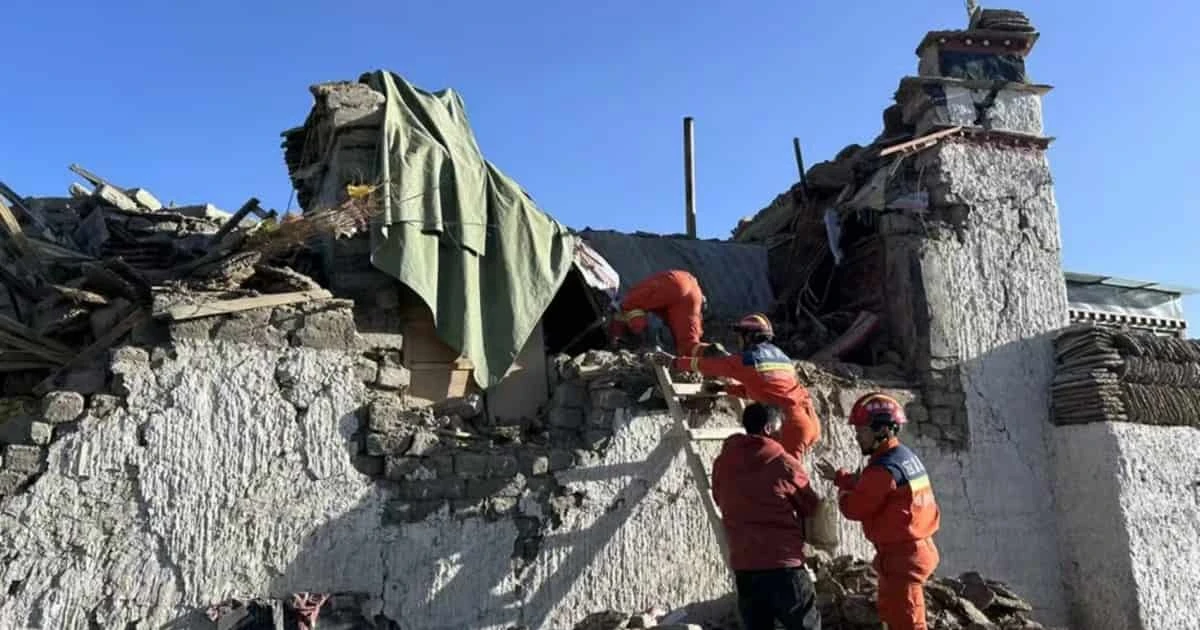
Tibet Earthquake Leaves 16 Dead and 65 Injured
NAGQU, Tibet A powerful magnitude 7 earthquake struck China's Tibet Autonomous Region late Thursday, October 22, killing at least 16 people and injuring 65 others, according to the latest available reports. The earthquake hit the Nagqu area of northern Tibet, triggering emergency rescue operations and forcing residents to leave damaged buildings.
The earthquake occurred at approximately 10:33 p.m. local time in a sparsely populated, high-altitude area of Nagqu. The China Earthquake Networks Center reported that the epicentre was in the region's Baqen County, with the tremor occurring at a relatively shallow depth.
The scale of the earthquake and the vulnerability of buildings in the affected communities raised concerns about further damage as emergency teams continued to assess the situation.
The death toll remained at 16 in the latest update, while the number of injured people rose to 65. Authorities continued to monitor the affected areas as rescue operations and damage assessments progressed.
Hundreds of Homes Damaged as Rescue Operations Continue
The earthquake caused extensive damage to residential properties and other structures. Local authorities reported that at least 339 homes had collapsed or sustained damage, while 20 livestock sheds were also affected.
Emergency personnel were deployed to search damaged buildings, assist injured residents and help families move away from potentially unsafe structures. More than 300 police officers were mobilised for rescue and relief operations, including damage inspections and the relocation of residents.
According to reports published on October 23, more than 12,000 people had been relocated to safer locations. Emergency teams were also working to provide essential supplies and temporary accommodation to people displaced by the earthquake.
The response involved local authorities and emergency services operating in challenging terrain, with the region's high elevation adding to the logistical demands of reaching affected communities.
Aftershocks Raise Concerns in Northern Tibet
The main earthquake was followed by numerous aftershocks, keeping residents and emergency workers on alert. The China Earthquake Networks Center reported that 413 aftershocks had been recorded following the initial tremor.
Aftershocks can cause additional damage to buildings already weakened by the main earthquake, making structural inspections important before residents return to their homes. Emergency personnel continued assessing affected properties and supporting relocation efforts.
Residents reportedly rushed outdoors or sought shelter in vehicles as the earthquake shook buildings late at night. The tremor was felt across parts of the region, including areas beyond the immediate epicentre.
The latest reports identified the event as China's strongest earthquake since January 2024, underscoring the scale of the seismic event and the need for continued emergency monitoring.
Tibet Faces Another Disaster Response Challenge
The earthquake struck weeks after deadly flash floods affected Tibet and neighbouring areas following an avalanche-related disaster in the wider Himalayan region. The two events were separate disasters, but the latest earthquake has added another emergency to an area already dealing with significant relief and recovery needs.
Authorities now face the immediate tasks of treating injured people, locating anyone who may remain trapped, assessing structural damage and ensuring displaced families have access to shelter and essential supplies.
The high-altitude environment, damaged infrastructure and continuing aftershocks make rescue and relief work particularly demanding. The full extent of the earthquake's impact may become clearer as teams reach affected settlements and complete their assessments.
Death Toll Remains at 16 as Authorities Assess Damage
As of October 23, the reported death toll stood at 16, with 65 people injured. Thousands of residents had been relocated, and emergency personnel remained engaged in rescue, relief and damage-assessment operations.
Authorities continued monitoring aftershocks and checking buildings for structural safety. The immediate priority remains assisting affected residents, providing temporary shelter and preventing further casualties in the earthquake-hit areas of Nagqu.
The situation remains subject to change as rescue teams gather additional information from affected communities.