
IndiGo and Air India Express to Shift Flights to Navi Mumbai Airport From December 2026

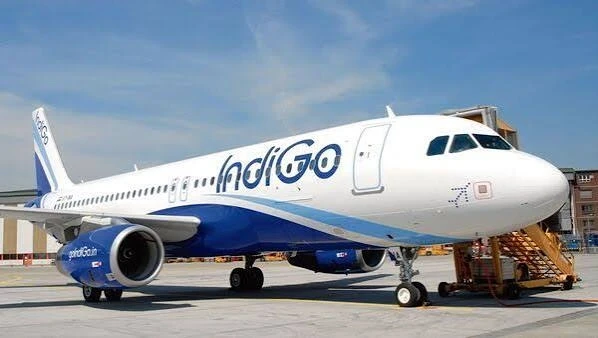
Mumbai’s Two-Airport Network Set for Major Flight Shift
India’s aviation sector is preparing for a significant change in Mumbai’s flight operations, with IndiGo and the Air India Group planning to transfer selected services from Chhatrapati Shivaji Maharaj International Airport (CSMIA) to Navi Mumbai International Airport (NMIA).
The move is intended to distribute passenger traffic between the two airports and create operational capacity for the planned redevelopment of Terminal 1 at CSMIA. The transition will take place in phases rather than through an immediate transfer of all affected services.
The changes will begin in December 2026, with Air India Express scheduled to introduce selected domestic flights at Navi Mumbai. IndiGo’s international operations at the new airport are planned to begin in February 2027, subject to operational coordination and required approvals.
IndiGo to Shift 12 Daily International Departures
IndiGo plans to progressively transfer 12 daily international departures from Mumbai’s existing airport to Navi Mumbai International Airport between February and July 2027.
The routes covered by the plan include services connecting Mumbai with Bahrain, Riyadh, Dammam, Jeddah, Madinah, Kuwait, Ras Al Khaimah, Fujairah, Muscat, Dhaka and Jakarta.
The airline also plans to introduce a daily service to Kathmandu. With this addition, its international network at Navi Mumbai is expected to cover 12 destinations during the phased expansion.
IndiGo will also move the domestic connections needed to support these international flights, allowing passengers to connect between domestic and international services at the new airport. Final schedules and transfer dates will be announced after planning is completed and the necessary approvals are secured.
Air India Express to Begin Operations in December
Air India Express, part of the Air India Group, plans to start with four daily domestic flights from Navi Mumbai International Airport in December 2026.
The airline intends to begin shifting selected international services to the new airport from January 2027. The planned transition covers routes to destinations including Jeddah, Riyadh, Dammam, Doha, Muscat and Sharjah, with the broader process expected to progress through the 2027 summer schedule.
Services to Kuwait are also planned, subject to the required approvals. The phased approach is designed to maintain connectivity while enabling the airline to adjust its operations to the changing airport infrastructure.
Why Are Flights Moving to Navi Mumbai?
The planned transfers are linked to the redevelopment of Terminal 1 at Chhatrapati Shivaji Maharaj International Airport. Construction and capacity adjustments at the existing airport are expected to require changes in how flights and passenger traffic are handled.
Navi Mumbai International Airport is being developed as a second major aviation hub for the Mumbai Metropolitan Region. Shifting selected services there is intended to create additional operating flexibility, help accommodate passengers affected by redevelopment and support the region’s long-term air-travel growth.
The two-airport model could also give airlines more room to expand routes as passenger demand increases. However, the practical impact will depend on flight schedules, airport connectivity and how smoothly passengers can travel between the wider metropolitan area and the two airports.
Airline Opposition and Passenger Impact
The broader proposal to reallocate international flights from Mumbai’s existing airport has faced opposition from airline representatives, who have raised concerns about changes to allocated slots, operational planning and the consequences of moving services without sufficient consultation.
The latest announcements from IndiGo and the Air India Group outline their own phased transition plans, but wider discussions over flight allocation and implementation remain important to the overall process.
For passengers, the key consideration will be the airport listed on their ticket. Travellers should check their booking confirmations and airline notifications carefully, particularly when arranging connecting flights, airport transfers or onward transport.
As the transition progresses, airlines are expected to provide route-specific schedules and further operational details. Passengers should rely on official airline updates for confirmation of departure airports and effective dates.