
CJP Leaders Saurav Das and Ashutosh Ranka Sent to 5-Day Judicial Custody After Jantar Mantar Protest

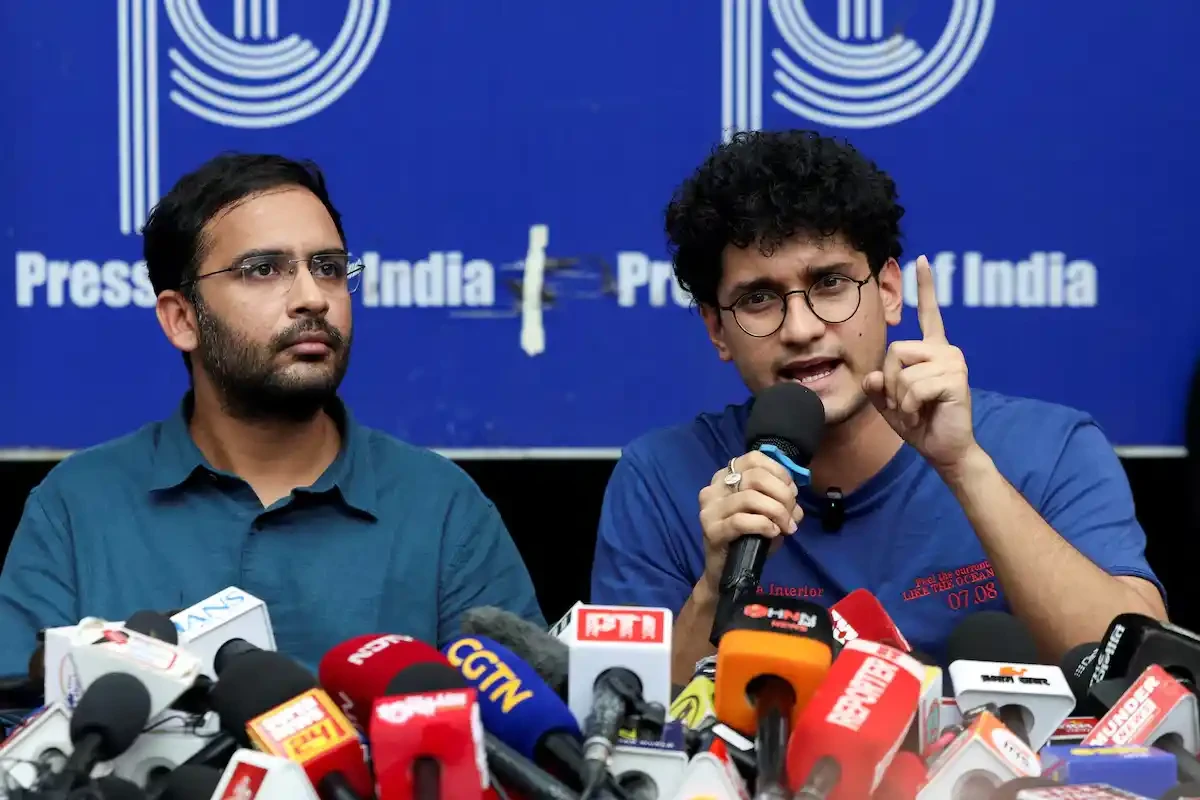
Cockroach Janta Party (CJP) leaders Saurav Das and Ashutosh Ranka have been sent to five-day judicial custody following their detention over an alleged security breach at Delhi’s Jantar Mantar protest site. Their associate, Ajinkya Shinde, was also detained after the group allegedly entered the area without authorisation.
According to reports, the three activists were detained on Tuesday after allegedly crossing barricades and entering the protest site, which had recently been removed from the list of officially designated venues for demonstrations. During the protest, the activists reportedly raised slogans demanding the resignation of Chief Election Commissioner (CEC) Gyanesh Kumar.
CJP Leaders Face Charges Over Jantar Mantar Entry
Delhi Police registered a case against the activists on allegations including trespassing, violation of prohibitory orders, breach of a peace bond and obstruction of a public servant performing official duties.
Police officials stated that Saurav Das and Ashutosh Ranka had previously signed bonds committing to maintaining peace for one year after being detained during an earlier protest in the national capital. Their latest detention has therefore brought renewed attention to the legal conditions imposed following their previous release.
On Wednesday, the two leaders were remanded to five days of judicial custody and sent to Tihar Jail. Reports indicated that bail-related formalities for Ajinkya Shinde were being processed separately.
CJP's legal team head, Ratna Singh, had earlier raised concerns about the detention, alleging that the activists were held at Parliament Street Police Station and faced delays in accessing their lawyers. These claims were attributed to the party's legal representative.
Why Were CJP Leaders Protesting?
The incident is linked to continuing demonstrations by the CJP and other organisations over alleged irregularities in the Special Intensive Revision (SIR) of electoral rolls. The exercise has become a point of political contention, with protesters raising concerns about voter-list revisions and demanding accountability from election authorities.
The protests have included calls for CEC Gyanesh Kumar to step down. The allegations surrounding the electoral roll revision remain politically contested, and the reported charges against the activists are separate from the broader questions being raised about the electoral process.
Jantar Mantar No Longer a Designated Protest Venue
The latest arrests also highlight a change in Delhi's protest arrangements. On October 11, Delhi Police Commissioner Anurag Kumar issued an order designating Ramlila Maidan, Burari Ground and CBD Ground as venues for public demonstrations. Following the order, Jantar Mantar was removed from the list of designated protest sites.
The change has drawn criticism from the CJP, which argues that moving demonstrations away from Jantar Mantar could reduce the visibility of public protests in the national capital.
The case has renewed debate over protest permissions, public order restrictions and the right to demonstrate in India. While authorities have cited alleged violations of the applicable rules, the wider political dispute over electoral roll revisions continues.
As the legal proceedings move forward, the developments involving Saurav Das, Ashutosh Ranka and Ajinkya Shinde are likely to keep attention focused on Delhi Police's handling of protests, restrictions at Jantar Mantar and the ongoing controversy surrounding the Special Intensive Revision of electoral rolls.
The allegations described in the case have not been presented here as proven findings of guilt.