
Anti-CEC Protests Intensify in Delhi: Rahul Gandhi Announces Supreme Court March Amid Police Crackdown Allegations

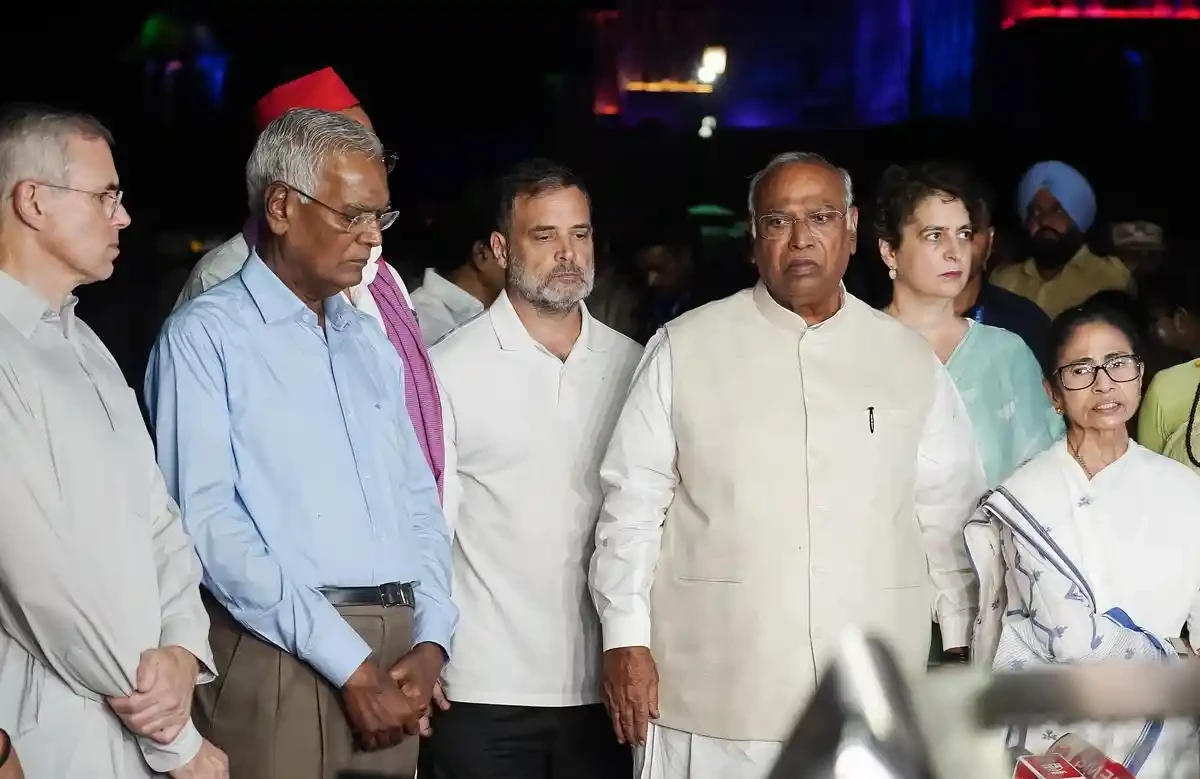
Anti-CEC protests in India escalated on Monday as opposition parties, student activists and members of the youth-led Cockroach Janta Party (CJP) intensified their campaign demanding the resignation of Chief Election Commissioner Gyanesh Kumar. The demonstrations have triggered a major security response in the national capital, with allegations of police excesses adding to the political controversy.
Congress leader and Leader of the Opposition in the Lok Sabha, Rahul Gandhi, announced a fresh march towards the Supreme Court, seeking to draw attention to alleged electoral irregularities and the treatment of protesters during recent demonstrations. The opposition’s mobilisation follows a weekend marked by mass detentions, barricades and restrictions around key areas of Delhi.
Voter-List Revision Triggers Political Controversy
At the centre of the protests is the Special Intensive Revision (SIR) of electoral rolls, an exercise intended to verify and update voter lists. Opposition parties and activists have questioned the process, alleging that the removal of millions of voter entries could undermine electoral fairness and disproportionately affect vulnerable communities.
Reports cited by international media indicate that more than 133 million names were removed or flagged during the revision process. However, election authorities have maintained that the exercise aims to eliminate duplicate, deceased and otherwise ineligible entries, adding that the revision process includes provisions for correcting voter records.
The Election Commission of India has rejected allegations of wrongdoing, while the controversy has intensified calls for transparency and accountability in the country’s electoral system.
Journalists’ Detentions Raise Press-Freedom Concerns
The police response has become another major flashpoint. Journalists covering the protests reportedly faced detention despite displaying their press credentials. Reporters Without Borders expressed concern after reports that at least 16 journalists were detained during the weekend demonstrations.
Opposition leaders also accused police personnel of using excessive force. Communist Party of India (Marxist) parliamentarian John Brittas alleged that he was manhandled and assaulted during the protests.
The allegations have raised broader questions about press freedom, the right to peaceful assembly and the handling of political demonstrations. Authorities have cited public-order concerns and restrictions on unauthorised gatherings, while critics argue that peaceful dissent must be protected.
Delhi on High Alert as Protests Continue
Security arrangements remained tight across central Delhi on Monday, with thousands of personnel deployed, metal barricades installed and several metro stations temporarily closed, according to reports. The restrictions have affected public movement as authorities prepare for further demonstrations.
The CJP has vowed to continue its agitation until Gyanesh Kumar resigns, while opposition parties are seeking greater scrutiny of the voter-list revision process and the police action against protesters.
With the opposition’s planned march and continuing concerns over electoral transparency, the anti-CEC protests have emerged as a significant political flashpoint. The coming days are likely to bring further attention to the Election Commission’s accountability, the legal challenges surrounding the controversy and the balance between public order and democratic freedoms.