
Cyclone Arnab Intensifies: Andhra Pradesh and Odisha on High Alert as Heavy Rain Threat Looms

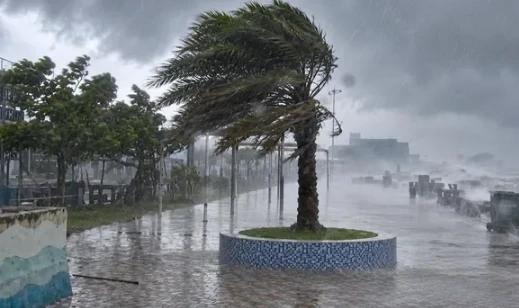
Cyclone Arnab: Rainfall Warnings Issued for Andhra Pradesh and Odisha
Cyclone Arnab has intensified over the Bay of Bengal after developing from a deep depression, placing coastal regions of eastern India on alert. The evolving weather system has prompted warnings of heavy rainfall and potentially disruptive conditions in parts of Andhra Pradesh and Odisha.
Authorities are monitoring the storm’s movement and expected impact as the India Meteorological Department (IMD) tracks changes in its intensity, direction and rainfall pattern. Residents in coastal and low-lying areas are being urged to remain alert and follow official weather bulletins.
Andhra Pradesh Districts Under Weather Alert
Weather warnings have been issued for parts of Andhra Pradesh as the cyclone-related system approaches the region. A yellow alert indicates that people should stay informed about potentially adverse weather, while a red alert signals a more serious threat requiring immediate attention to official instructions.
Forecasts have indicated the possibility of more intense weather in several areas on October 27 and 28. Heavy rainfall may disrupt road travel, local transport and routine activities, particularly in places vulnerable to waterlogging and flooding.
Residents should avoid unnecessary travel during severe weather, keep away from flooded roads and drainage channels, and secure loose objects around homes. Fishermen should follow official advisories on sea conditions and restrictions on venturing into affected waters.
Odisha Braces for Cyclone-Related Weather
Odisha is also monitoring Cyclone Arnab as the system develops over the Bay of Bengal. Depending on the storm’s track and intensity, parts of the state could experience heavy rain, strong winds and rough sea conditions.
Coastal communities, fishing groups and people living in vulnerable structures should pay close attention to local administration announcements. Authorities may take additional precautionary measures if forecasts indicate a greater risk to life or property.
Heavy rain can lead to waterlogging, reduced visibility and localised flooding. People in areas prone to flooding should keep essential supplies ready and follow any evacuation or shelter instructions issued by officials.
What Is Cyclone Arnab and How Did It Get Its Name?
Cyclone Arnab is the name assigned to the storm under the regional tropical-cyclone naming system used for storms in the North Indian Ocean. Cyclone names are selected in advance by countries participating in the regional naming process, helping weather agencies, governments and the public identify a particular storm clearly.
The system’s intensification from a deep depression into a cyclonic storm marks a change in its classification. Its potential impact, however, depends on several factors, including its future track, wind strength, rainfall distribution and proximity to land.
Safety Measures as the Storm Develops
People in areas covered by weather alerts should monitor updates from the IMD and local disaster-management authorities rather than relying on unverified social-media posts. Residents should charge mobile phones, keep emergency medicines and drinking water accessible, and follow official guidance on travel and outdoor activities.
Those living in low-lying or coastal locations should be particularly cautious about flooding, rough seas and possible disruption to electricity or transport. Any instructions to move to safer locations or designated shelters should be followed promptly.
The storm’s path and local weather conditions may change as new forecasts become available. Residents of Andhra Pradesh and Odisha should therefore continue checking official bulletins for district-specific alerts and the latest safety advice.