•
•
•
•
•
•
•

How conflict in the Gulf and Yemen is raising the cost of moving goods around the world
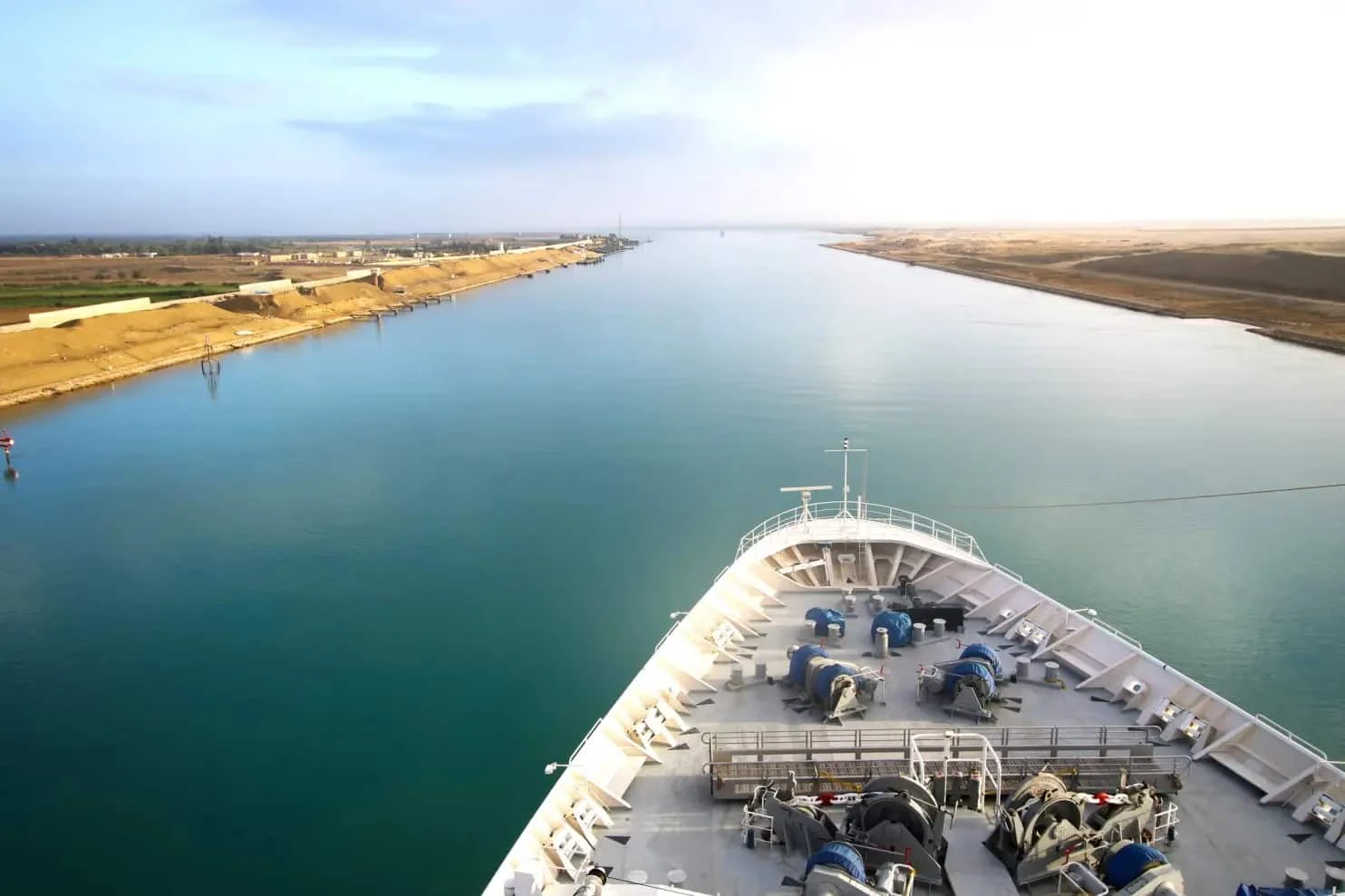
Two of the world's most important shipping chokepoints are in conflict zones in 2026. In the Strait of Hormuz, war-risk insurance premiums have jumped from about 0.25% of a ship's hull value before the war to 3–10%, according to Al Jazeera. On a $100 million tanker, that means $3–10 million per voyage. In the Red Sea, analysts say Houthi forces largely control the Bab al-Mandeb strait and Yemen's coastline. These risks raise freight costs, delay deliveries and add to inflation worldwide.
Standard marine insurance usually excludes damage from war, terrorism, piracy and similar perils. Shipowners buy separate war-risk cover, typically priced as a percentage of the ship's value for each voyage through a designated high-risk area.
| Factor | Effect on premium |
|---|---|
| Recent attacks in the area | Higher |
| Ship's flag and ownership links | Can raise or lower risk |
| Type of cargo (oil, LNG, containers) | Varies |
| Naval escort available | Can reduce |
The London insurance market's Joint War Committee lists areas considered high-risk, which triggers additional premiums.
Before the war that began in February 2026, more than 100 ships a day used Hormuz, carrying roughly 20 million barrels of oil daily. Flows have recovered, but continued attacks and Iran's claim to control access keep insurers cautious.
The Bab al-Mandeb strait links the Red Sea and the Gulf of Aden, and it is the southern gateway to the Suez Canal. Since late 2023, Houthi attacks on shipping have forced many carriers to reroute around Africa's Cape of Good Hope, adding roughly 10–14 days to Asia–Europe voyages. According to Abdul Khalique of Liverpool John Moores University's Maritime Centre, Houthi forces have now seized several ports and islands and largely control the strait.
For Strait of Hormuz transits, premiums reportedly rose from about 0.25% of hull value before the war to 3–10%.
Because of attacks on shipping by Yemen's Houthi movement since late 2023 and its growing control of the Bab al-Mandeb strait.
Higher freight and insurance costs raise the price of imported goods and energy, which feeds into consumer prices.
A narrow strait between Yemen and Djibouti/Eritrea connecting the Red Sea to the Gulf of Aden and Indian Ocean. It is a key route for trade through the Suez Canal.
War-risk insurance is a less visible but important part of the 2026 energy and trade shock. As long as Hormuz and the Red Sea remain dangerous, shipping costs, and with them consumer prices, are likely to stay higher than before the crises.
