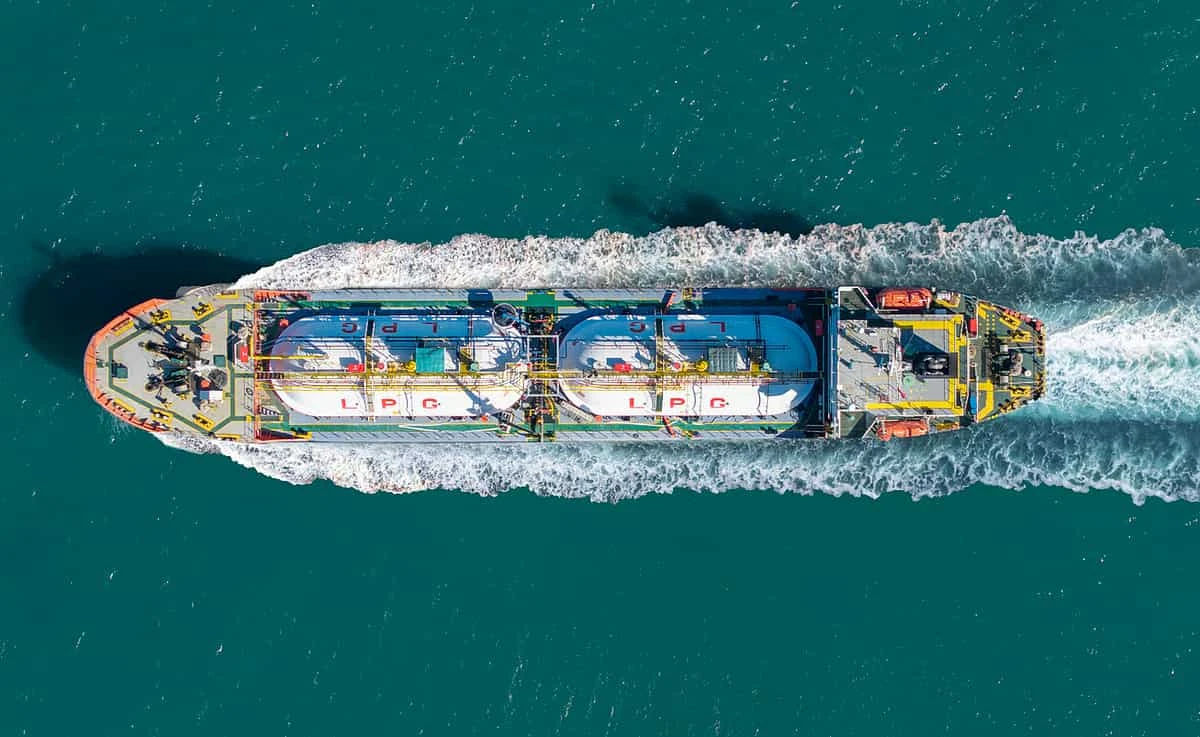
Oil flows through the Strait of Hormuz have recovered toward pre-war levels, according to Kpler data, yet Brent crude remained around $100 a barrel in early October 2026. This explainer covers what happened to the world's most important oil chokepoint, why prices stay high, and what it means for importers like India.
Quick answer
The Strait of Hormuz, the narrow sea passage between Iran and Oman, has been at the centre of the global energy shock since the US–Israel war with Iran began on 28 February 2026. Iran closed and later restricted the strait. Brent crude rose above $100 a barrel and stayed there for long periods. By late September, provisional Kpler data reported by Reuters showed crude flows of about 19.5–22.5 million barrels per day, around or above pre-war levels. Even so, Brent was still about $101 on 5 October, according to Oilprice.com, because of continued attacks, high insurance costs and uncertainty about whether the recovery will last.
Why Hormuz matters
| Fact | Detail |
|---|
| Location | Between Iran and Oman, linking the Persian Gulf to the Arabian Sea |
| Pre-war traffic | More than 100 vessels a day |
| Pre-war oil flow | Roughly 20 million barrels a day, about a fifth of global oil consumption |
| Key users | Saudi Arabia, Iraq, UAE, Kuwait, Qatar, Iran |
| Main buyers | China, India, Japan, South Korea and other Asian economies |
There are few alternative routes. Saudi Arabia's East-West pipeline to the Red Sea and the UAE's pipeline to Fujairah can carry only part of the volume.
How the crisis unfolded
- February–March 2026: Iran responds to US and Israeli strikes by closing the strait. Oil prices spike.
- April: A ceasefire is agreed, but transit stays restricted. Iran reportedly charges tolls above $1 million per ship, and the US imposes a naval blockade of Iranian ports.
- 17 June: The US and Iran sign the Islamabad Memorandum, which includes Iranian commitments to clear mines and allow free passage for 60 days.
- Late June–July: A tanker is struck near Oman, the US strikes Iranian coastal sites, and President Trump declares the deal "over" on 7 July.
- September: The US says it is escorting tankers. Energy Secretary Chris Wright says flows are back to about two-thirds of normal. Brent reaches about $108 on 14 September after a drone attack on Saudi Arabia's East-West pipeline.
- Late September–early October: Kpler data suggests crude flows have recovered to pre-war levels. Brent eases to around $101.
Why prices remain high
1. Risk has not gone away
Iran says it controls access to the strait and has declared restricted shipping zones. Tankers continue to be attacked. Houthi forces have hit Saudi energy infrastructure.
2. Insurance is expensive
Al Jazeera reported that war-risk insurance for a Hormuz transit has risen from about 0.25% of a ship's hull value before the war to 3–10%. On a $100 million tanker, that is $3–10 million per voyage.
3. LNG is still disrupted
QatarEnergy, operator of one of the world's largest LNG export industries, remains under force majeure. LNG flows are unlikely to fully recover while it stays in place.
4. Reserves are depleted
Analysts at Energy Aspects noted that the US Strategic Petroleum Reserve has little left to release after earlier drawdowns, and winter heating demand is rising.
What it means for India and Asia
- Import bill: India imports most of its crude oil, much of it from Gulf producers. Higher prices increase the import bill and the current-account deficit.
- Inflation: Fuel costs feed into transport and food prices.
- Rupee: A larger oil bill and a stronger dollar can weaken the currency.
- Policy response: Governments may adjust fuel taxes, use strategic reserves or buy more from alternative suppliers.
What happens next
- Diplomacy: Iran and Oman have discussed managing the strait, and Pakistan is trying to restart US–Iran talks.
- Security incidents: Any major attack on tankers, pipelines or terminals could push prices up again quickly.
- Central banks: High energy prices are one reason the US Federal Reserve is raising rates. Its next decision is due on 28 October.
Frequently asked questions
Is the Strait of Hormuz open?
Ships are passing, and late-September data showed crude flows around pre-war levels. But Iran still claims control over access, attacks continue, and conditions can change quickly.
Why is oil above $100 if flows have recovered?
Because of the risk premium: attacks, high insurance costs, Qatar's LNG force majeure, low emergency reserves and uncertainty about whether flows will hold.
How much oil goes through Hormuz?
Before the war, about 20 million barrels per day, roughly a fifth of global consumption.
How does the Hormuz crisis affect petrol prices in India?
Higher crude costs raise refiners' input costs. How much reaches the pump depends on taxes and pricing decisions by the government and oil marketing companies.
Conclusion
Ships are moving through Hormuz again, but the market does not trust that it will last. Until a lasting US–Iran agreement settles who controls the strait and attacks stop, oil prices are likely to keep a significant war premium.
Sources
- Oilprice.com, "Oil Prices Fall as Reports Say Hormuz Crude Flows Top Pre-War Levels" (5 October 2026): https://oilprice.com/Latest-Energy-News/World-News/Oil-Prices-Fall-as-Hormuz-Crude-Flows-Top-Pre-War-Levels.html
- Al Jazeera, "US says it's clearing Hormuz traffic: Why are oil futures beyond $100?" (14 September 2026): https://www.aljazeera.com/news/2026/9/14/us-says-its-clearing-hormuz-traffic-why-are-oil-futures-beyond-100
- Al Jazeera, "US-Iran Memorandum of Understanding expires" (17 August 2026): https://www.aljazeera.com/news/2026/8/17/us-iran-memorandum-of-understanding-expires-how-and-why-it-fell-apart
- Wikipedia, "2026 Iran war ceasefire": https://en.wikipedia.org/wiki/2026_Iran_war_ceasefire