•
•
•
•
•
•
•

Oil shocks, AI spending and sticky inflation have pushed the Fed back into hiking mode
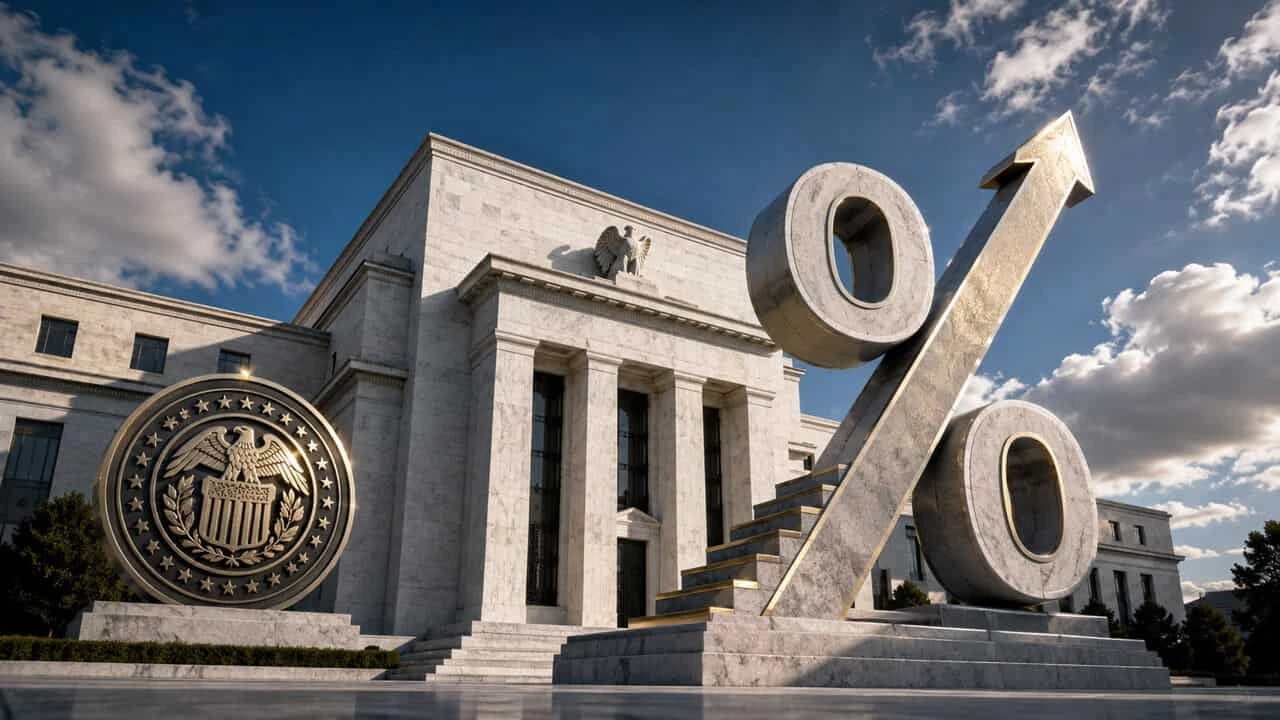
After cutting rates in 2024 and 2025, the US Federal Reserve has started raising them again. At its September 2026 meeting, the Federal Open Market Committee (FOMC) increased the federal funds target range by a quarter point to 3.75%–4%. Fed officials point to high energy prices linked to the Middle East conflict, AI-driven demand for goods, and inflation that has stayed above the 2% target for more than five years. Markets expect another hike at the 27–28 October meeting or in December.
| Item | Detail |
|---|---|
| Current target range | 3.75%–4.00% |
| Latest move | +0.25 percentage point (September 2026) |
| Fed Chair | Kevin Warsh (took over after Jerome Powell's term ended in May 2026) |
| Next meetings | 27–28 October; 8–9 December |
| Inflation target | 2% (PCE price index) |
The minutes of the September meeting, released in early October, showed officials expect another hike, without saying when.
Fed Vice Chair Philip Jefferson said on 1 October 2026 that PCE inflation was 3.4% over the 12 months to August. Governor Lisa Cook described total inflation of about 3.8% as "too high for too long", with core inflation around 3.4%, according to Forbes. Different inflation measures give slightly different figures, but all are well above 2%.
The war involving Iran that began in February 2026 disrupted oil flows through the Strait of Hormuz. Gasoline and diesel prices became the main driver of headline inflation. The Fed worries that high energy costs could spread into broader prices and wages.
Jefferson noted that core goods prices have risen, driven by AI-related demand. Spending on data centres, chips and power equipment is boosting growth (US GDP grew at an annualised 2.4% in the first half of 2026) and adding to price pressure.
Unemployment was 4.1% in August, which Jefferson considers close to maximum employment. Job vacancies are again above the number of unemployed workers. A strong labour market gives the Fed room to tighten.
According to Forbes, as of late September traders were pricing in two more quarter-point hikes in 2026: one in October (to 4%–4.25%) and one in December. The Fed's own projections in September suggested most policymakers expected only one more hike this year.
Key data releases to watch:
The federal funds target range is 3.75% to 4.00% after the September 2026 hike.
The FOMC meets on 27–28 October 2026, with the decision announced on 28 October. The final meeting of the year is on 8–9 December.
Kevin Warsh, appointed by President Trump after Jerome Powell's term as chair ended in May 2026.
Because inflation is well above target. Raising rates cools demand and helps keep long-term inflation expectations anchored.
They can strengthen the dollar, put pressure on the rupee, raise the cost of foreign borrowing and lead to outflows of foreign portfolio investment.
The Fed's return to rate hikes shows how much the 2026 energy shock and the AI investment boom have changed the inflation picture. Whether the Fed hikes again on 28 October depends largely on the next inflation report and on oil. Either way, US interest rates are likely to stay high for some time.
