•
•
•
•
•
•
•

How climate change and an invasive mosquito are bringing new viruses north
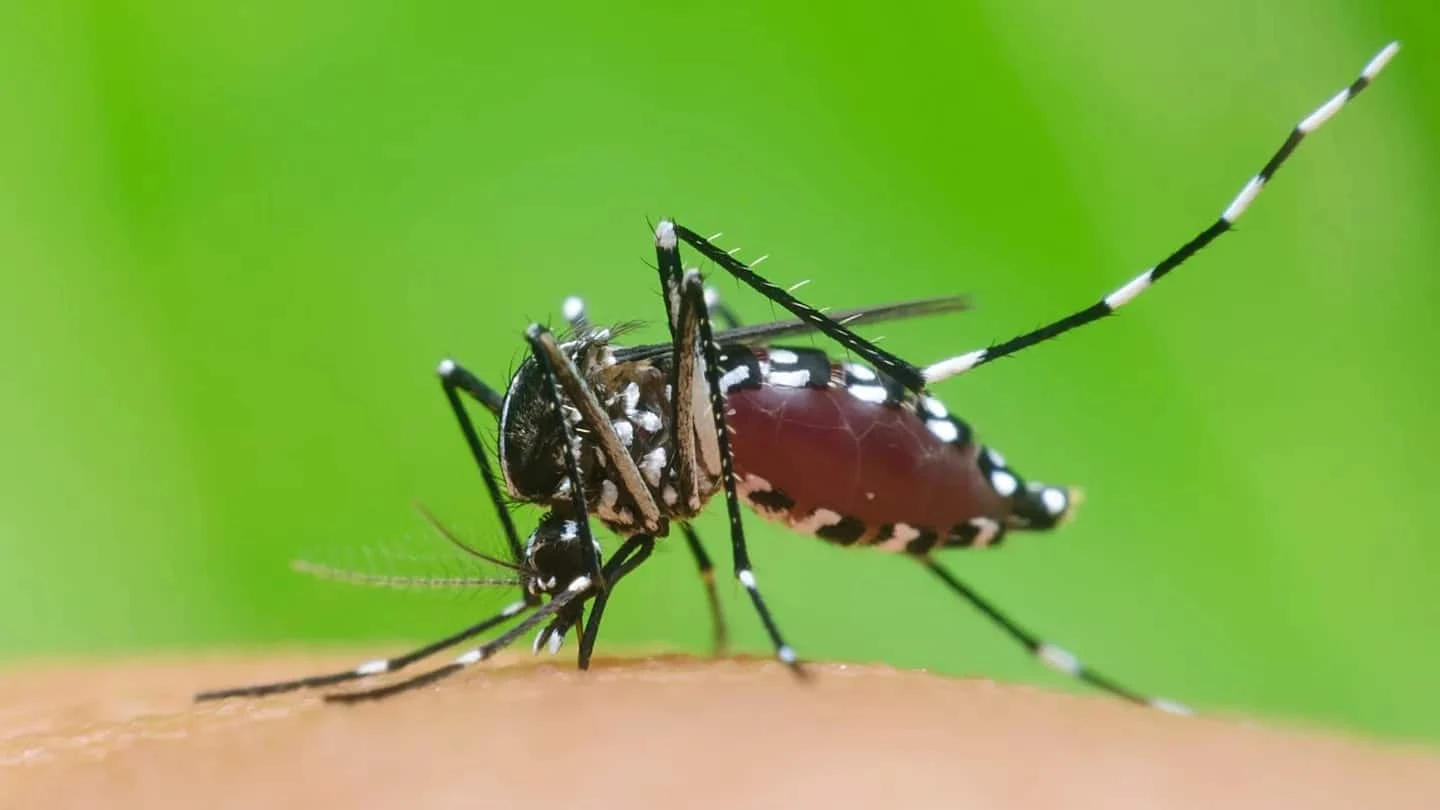
On 1 October 2026, Germany reported its first confirmed symptomatic locally acquired case of Sindbis virus. The patient was a 60-year-old man in Baden-Württemberg who developed fever, rash and joint pain in July without travelling abroad. His district has established populations of Aedes albopictus, the Asian tiger mosquito. The case is a small but important sign of a bigger trend: as climate change brings warmer, longer summers, invasive mosquitoes and the viruses they can carry are spreading across Europe.
| Item | Detail |
|---|---|
| Virus family | Alphavirus (related to chikungunya) |
| Spread by | Mosquitoes |
| Natural hosts | Mainly birds |
| Symptoms | Fever, rash, joint pain (sometimes long-lasting) |
| Known regions | Africa, Asia, Australia, northern Europe (e.g., Finland, where it causes "Pogosta disease") |
Sindbis infection is usually not life-threatening, but joint pain can last for months. Germany had previously found the virus in mosquitoes (2009), birds (2014) and four healthy blood donors (2010–2016). The 2026 case is the first symptomatic local infection confirmed.
Aedes albopictus is native to Southeast Asia. It spread worldwide through trade in used tyres and "lucky bamboo" plants. It was first found in Europe in Albania (1979) and Italy (1990) and is now established across much of southern and central Europe, including parts of France, Spain, Italy, Germany and beyond.
Why it matters:
Warmer temperatures help mosquitoes in several ways:
The European Centre for Disease Prevention and Control (ECDC) has reported growing numbers of locally acquired dengue and chikungunya cases in southern Europe in recent summers. That was once rare.
The UK Health Security Agency's week-40 summary also listed:
A mosquito-borne alphavirus that usually causes fever, rash and joint pain. It is mainly carried by birds and spread by mosquitoes.
It is rarely fatal, but joint pain can persist for months in some patients.
Yes. Aedes albopictus can transmit dengue, and Europe has seen increasing numbers of locally acquired cases in recent years.
Warmer and longer summers allow mosquitoes to survive in new areas and speed up virus replication, increasing the risk of local outbreaks.
One Sindbis case in Germany does not mean an epidemic. It does show that mosquito-borne diseases once thought of as tropical or limited to particular regions are becoming a European concern. Surveillance, mosquito control and climate adaptation will become more important in the coming years.
