•
•
•
•
•
•
•

From Skyroot and Agnikul to satellite startups and industry-built rockets, India's space sector is opening up. Here is how it works and what comes next.
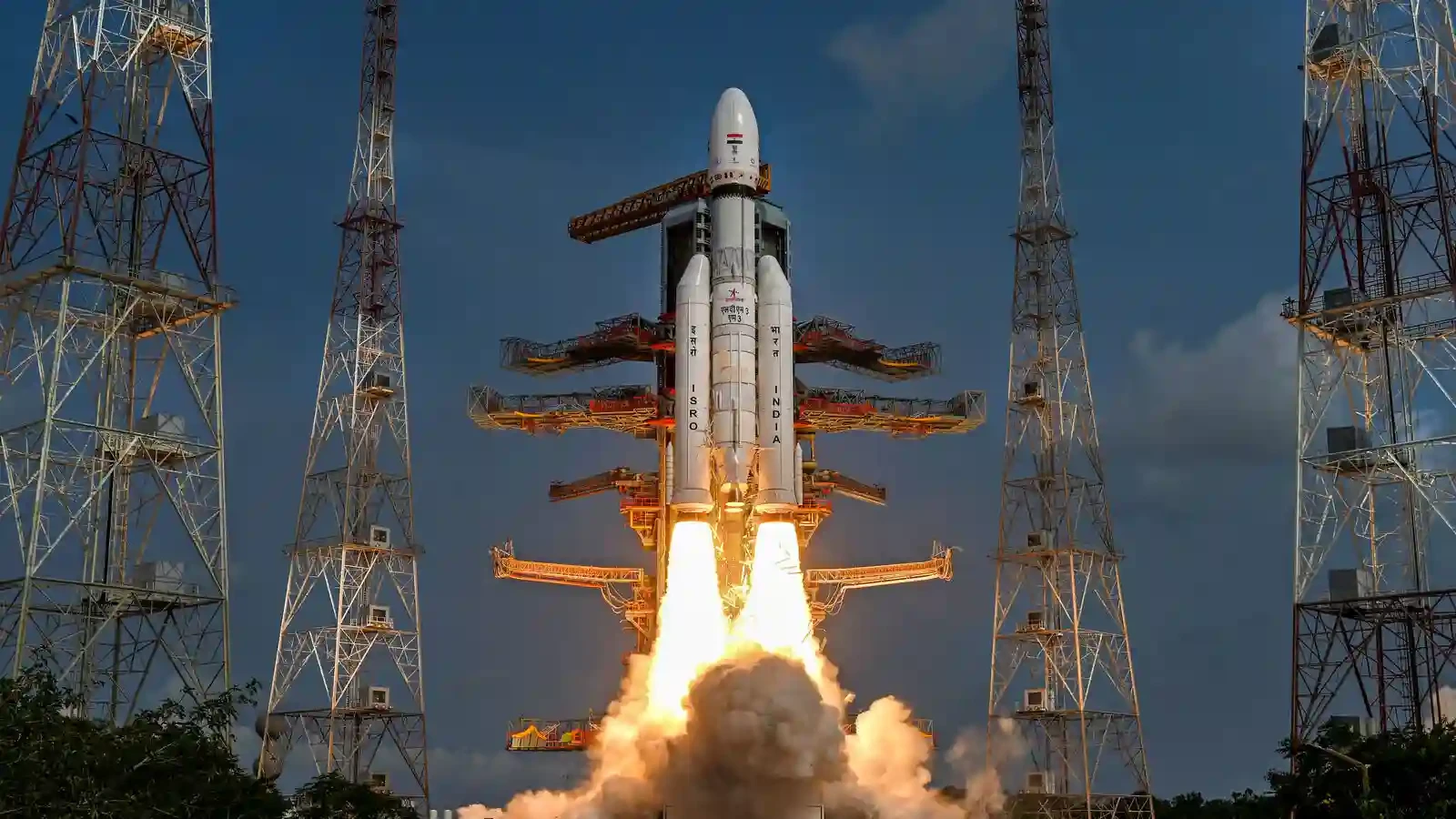
For decades, Indian spaceflight meant one organisation: the Indian Space Research Organisation (ISRO). Private companies built components, but ISRO designed, launched and operated almost everything.
Since 2020, that model has changed dramatically. Private companies now build rockets, launch satellites and sell space data. Here is how India's space sector opened up — and why it matters.
The government announced reforms allowing private companies to carry out end-to-end space activities.
The Indian National Space Promotion and Authorization Centre (IN-SPACe) was created as a single-window agency to promote, authorise and supervise private space activities.
NewSpace India Limited (NSIL), ISRO's commercial arm, handles commercial launches and technology transfer, and contracts industry to produce launch vehicles.
The policy clarified roles: ISRO focuses on research, advanced technology and exploration, while industry takes a larger role in manufacturing and operations.
In 2024, India eased foreign direct investment rules for the space sector, allowing up to 100% FDI in several segments, with automatic-route limits varying by activity such as satellite manufacturing and launch vehicles.
| Year | Milestone |
|---|---|
| 2022 | Skyroot Aerospace launched Vikram-S, India's first privately developed rocket to reach space |
| 2022 | NSIL contracted an industry consortium of HAL and L&T to build PSLV rockets |
| 2024 | Agnikul Cosmos launched Agnibaan SOrTeD from its own launch pad at Sriharikota, using a 3D-printed semi-cryogenic engine |
| 2025 | HAL selected for SSLV technology transfer, a step toward industry-built small launchers |
Satellite startups such as Pixxel (hyperspectral imaging) and Dhruva Space (satellite platforms and ground systems) have also grown rapidly.
IN-SPACe has outlined a vision to grow India's space economy to around $44 billion by 2033, including a significant share of global commercial space.
ISRO continues to lead national missions such as the Gaganyaan human spaceflight programme, planetary exploration and navigation satellites. It is increasingly acting as a technology partner and customer for industry, rather than the sole builder.
Satellite data supports weather forecasting, crop monitoring, disaster response, navigation, banking networks and broadband. A stronger space industry can make these services cheaper, faster and more tailored to Indian needs.
It is the government agency that promotes, authorises and supervises private space activities in India.
Skyroot Aerospace's Vikram-S, launched in November 2022.
Yes. FDI rules were liberalised in 2024, with limits and approval routes depending on the activity.
No. The model is partnership: industry expands manufacturing and commercial services while ISRO focuses on advanced research and national missions.
India's space sector is shifting from a single national agency to a broader ecosystem of government, industry and startups. If reforms, funding and reliability keep pace, India could become one of the world's leading commercial space nations.
Sources: Department of Space and IN-SPACe; Indian Space Policy 2023; Business Standard (August 2026); company announcements.
