
Sunny Deol’s Hanuman Look Unveiled as Ramayana Franchise Plans Expand Beyond the Epic

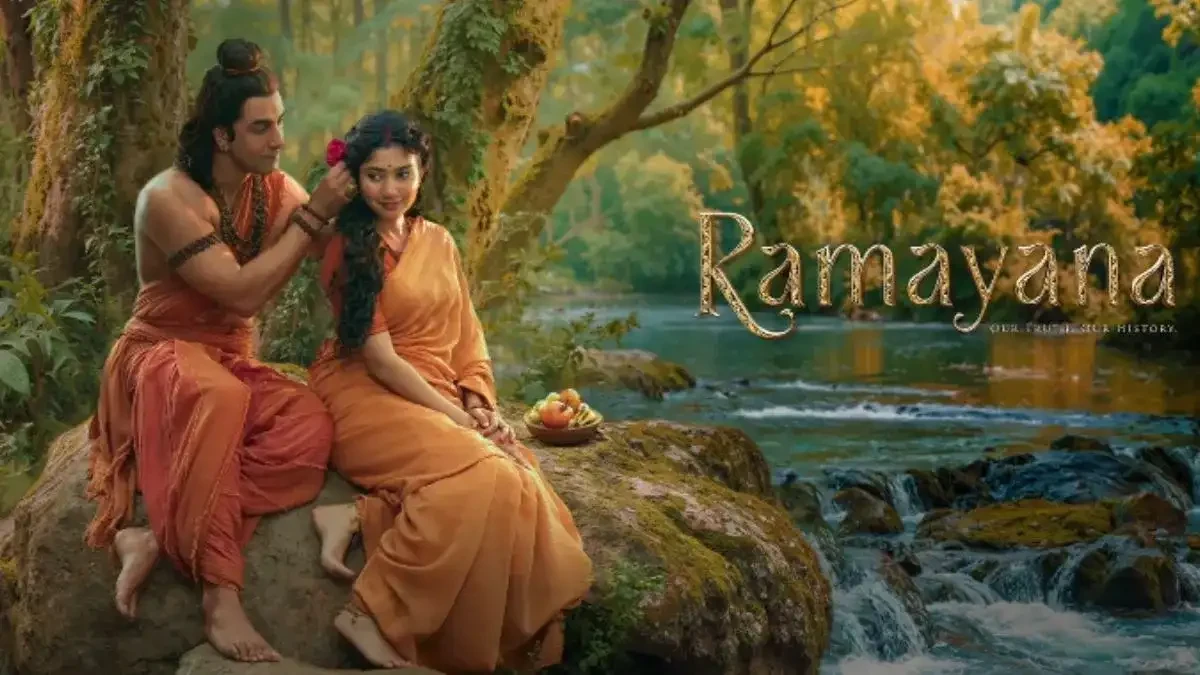
Sunny Deol’s Lord Hanuman Reveal Sets the Stage for a Bigger Ramayana Universe
The highly anticipated Ramayana film franchise is moving beyond a traditional two-part cinematic adaptation, with producer Namit Malhotra outlining an ambitious vision to expand the ancient Indian epic into a broader entertainment universe. The announcement coincided with the unveiling of Sunny Deol’s first look as Lord Hanuman, adding fresh excitement to one of the most talked-about upcoming Bollywood productions.
The reveal took place at a special event in Hyderabad on October 19, 2026, where the filmmakers presented their plans for the project’s future. Alongside the main films, the creative team is exploring character-driven spin-offs that could give audiences a deeper look at the legendary figures and stories associated with the Ramayana.
The development signals a growing ambition to bring Indian mythology to a global audience through large-scale filmmaking, advanced visual effects and interconnected storytelling.
Sunny Deol as Lord Hanuman: A Major Casting Highlight
Sunny Deol’s portrayal of Lord Hanuman is among the most anticipated elements of the upcoming film. Known for his powerful screen presence and commanding performances, the actor takes on a character revered in Hindu tradition for his devotion to Lord Rama, extraordinary strength, courage and unwavering loyalty.
The first-look reveal has added another major talking point to the film’s promotional campaign. Hanuman remains one of the most beloved figures in the Ramayana, making his cinematic representation particularly significant for audiences familiar with the epic.
The production also features a prominent ensemble cast, with Ranbir Kapoor playing Lord Rama, Sai Pallavi portraying Goddess Sita and Yash appearing as Ravana. Ravie Dubey plays Lakshmana, while several established actors take on important supporting roles.
Directed by Nitesh Tiwari, the two-part adaptation aims to present the timeless story on an expansive cinematic scale.
Namit Malhotra Plans Ramayana Spin-Offs and a Wider Entertainment Franchise
Producer Namit Malhotra has indicated that the creative vision extends beyond the two planned feature films. Potential spin-offs could explore individual characters and storylines from the epic, giving filmmakers opportunities to develop narratives that may receive less attention in a single adaptation.
Among the characters being discussed for possible standalone projects are Hanuman, Surpanakha and Jatayu. These stories could explore different perspectives within the larger mythology while maintaining a connection to the central Ramayana narrative.
The wider vision has also included discussions of additional entertainment experiences, such as video games and theme parks. However, these ideas represent an ambitious franchise strategy rather than a confirmation that every proposed project is already in production.
If realised, the plans could create opportunities to extend the popularity of Indian mythology across cinema, gaming and immersive entertainment.
The strategy reflects a broader trend in the global entertainment industry, where successful film properties increasingly develop into interconnected franchises. For Indian cinema, a carefully developed mythology-based universe could provide a distinctive way to present culturally significant stories to international audiences.
Ramayana Advance Booking Approaches ₹5 Crore Before Release
The film’s commercial prospects are also attracting attention. Advance bookings for Ramayana: Part One opened on October 20, ahead of its scheduled theatrical release on November 5, 2026.
Within the initial booking period, the film recorded approximately ₹4.88 crore in gross advance sales across India, with nearly 85,000 tickets sold, according to reported box-office tracking figures. The total included block bookings, meaning the amount from individually booked seats was lower.
Delhi-NCR and Mumbai emerged as major contributors to early ticket sales. The Hindi-language version accounted for the overwhelming majority of reported advance-booking revenue, while availability and sales for other language versions varied.
These early figures indicate substantial pre-release interest, although they do not guarantee the film’s eventual opening-day collection or overall box-office performance.
Premium Ticket Prices Reach ₹2,770
Another detail drawing attention is the price of premium cinema seats. Select IMAX 3D recliner screenings in Mumbai have listed tickets at approximately ₹2,770 for certain shows.
The pricing reflects the premium experience being offered for a large-scale visual spectacle, particularly in major metropolitan markets. However, ticket prices vary by cinema, location, screening format and seat category, so this figure should not be interpreted as the standard price nationwide.
The early booking momentum comes as the makers position Ramayana as a major theatrical event. The film’s scale, star cast, mythological subject and visual presentation are all central to its appeal.
A Global Ambition for Indian Mythology
The growing plans for the Ramayana universe reflect the producers’ ambition to make the epic accessible to audiences beyond India. Its themes of duty, devotion, sacrifice, loyalty and the struggle between good and evil have endured across generations and cultural traditions.
The challenge will be to balance large-scale cinematic storytelling with the cultural and spiritual significance of the source material. Audience expectations will also extend to casting, character design, visual effects, music and the respectful interpretation of familiar stories.
With Sunny Deol’s Hanuman reveal, the announcement of potential spin-offs and encouraging advance-booking figures, the project is entering a crucial stage of public anticipation.
The bottom line: Ramayana: Part One is generating attention on two fronts: its immediate theatrical prospects and the possibility of a much larger mythology-based franchise. Its November 5 release will provide the first major test of audience response, while the proposed spin-offs could determine how far the cinematic universe ultimately expands.