
Tamil Music Legend Deva Dies at 75: The Composer Behind Rajinikanth’s Iconic Intro Songs

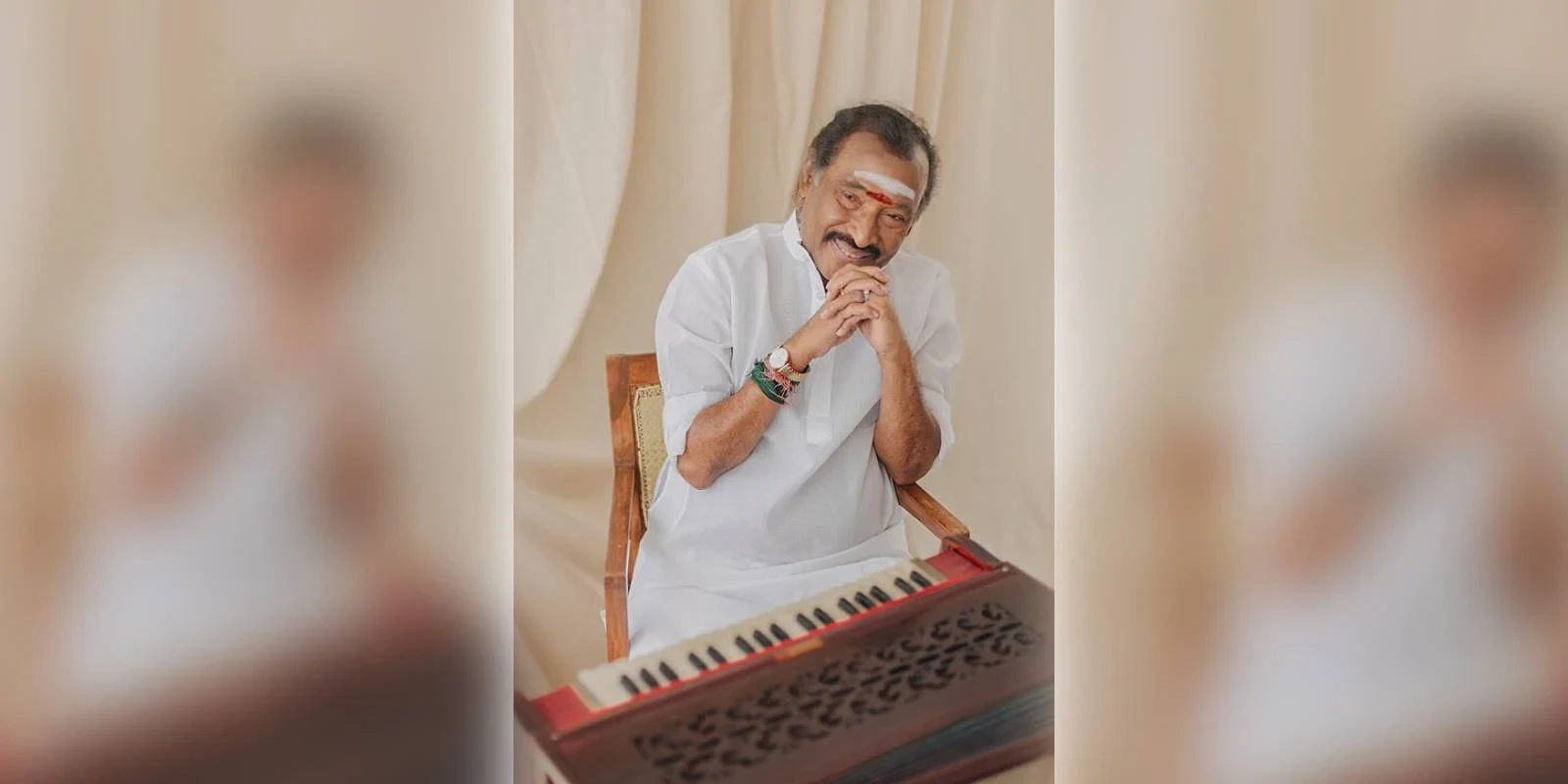
Veteran Tamil Music Composer Deva Passes Away at 75
The Tamil film industry has lost one of its most recognisable musical voices. Veteran composer, singer and lyricist Deva passed away in Chennai on October 17, 2026, at the age of 75, leaving fans and members of the entertainment industry mourning the loss of a celebrated musician.
Popularly known as Thenisai Thendral, Deva built a distinctive identity through energetic film songs, memorable melodies and his contribution to bringing Chennai’s gaana music into mainstream Tamil cinema.
According to reports, Deva experienced chest pain on Saturday morning and was taken to Surya Hospital in Chennai, where doctors attempted to revive him. Reports said he died despite their efforts. Further details about his final rites were awaited at the time of publication.
Deva’s passing marks the end of a significant chapter in Tamil film music. His compositions became closely associated with some of the most memorable films and stars of the 1990s, and his songs continue to connect with audiences across generations.
Deva’s Musical Journey: From Television to Tamil Cinema
Born Devanesan Chokkalingam on November 20, 1950, in Mylapore, Chennai, Deva developed his musical career through several stages before becoming a prominent name in the Tamil film industry.
Before entering cinema, he worked in television and stage shows. His association with Doordarshan’s Podhigai channel included composing songs for the agricultural programme Vayalum Vaazhvum.
Deva made his film music debut with Manasukketha Maharaasaa in 1989. His breakthrough came with the 1990 film Vaikasi Porandhaachu, which helped establish him as a composer to watch.
During the 1990s, Tamil cinema was shaped by several influential music directors and rapidly changing musical trends. Deva carved out his own space by combining folk influences, catchy rhythms, energetic dance numbers and romantic melodies.
His music appealed to a broad audience, from cinema enthusiasts to listeners who enjoyed the familiar sounds and rhythms of Chennai’s streets.
Over a career spanning more than three decades, Deva composed music for hundreds of films across multiple South Indian film industries, including Tamil, Telugu and Malayalam cinema.
Deva and Rajinikanth: The Music Behind a Superstar’s Entry
One of Deva’s most enduring associations was with Rajinikanth, whose on-screen persona became closely linked with powerful introductory sequences and energetic theme music.
Deva composed memorable music for Rajinikanth films, including Annamalai (1992) and Baashha (1995). His music helped establish the atmosphere around the superstar’s appearances, amplifying the excitement surrounding key scenes.
The distinctive “Superstar” title-card music associated with Rajinikanth’s films became a particularly recognisable part of this legacy. According to The Times of India, Deva’s title-card composition had continued to feature in Rajinikanth films, including the reported latest release, Jailer 2.
His music was not merely background accompaniment. The rhythm, arrangement and dramatic build-up helped turn a star’s entrance into a cinematic event.
This association remains one of the defining aspects of Deva’s career and a major reason his work is remembered by Tamil cinema fans.
Popularising Gaana Music in Mainstream Tamil Cinema
Deva’s influence extended beyond individual hit songs. He played an important role in bringing gaana music, a lively musical tradition rooted in Chennai’s local culture, to a wider film audience.
Traditionally associated with working-class neighbourhoods and street performances, gaana is known for its distinctive rhythms, direct lyrics and energetic delivery. Deva incorporated elements of this musical style into commercial film soundtracks, helping it reach listeners far beyond its original settings.
He also wrote and sang many of his own gaana numbers, giving his compositions a recognisable personality.
One of his best-known songs, “Naan Autokaaran” from Baashha, became particularly popular and was embraced by autorickshaw drivers and fans alike. Its energetic style reflected Deva’s ability to create music that resonated with everyday listeners while fitting the larger-than-life world of Tamil cinema.
Although he became strongly associated with gaana, Deva was not limited to a single genre. His body of work included romantic songs, folk-inspired tracks, dance numbers and devotional music.
This versatility helped him maintain a distinctive place in the industry during a period of intense competition among leading composers.
Deva’s Iconic Films and Memorable Soundtracks
Throughout the 1990s and beyond, Deva composed music for several commercially successful films. His soundtracks contributed to the appeal of movies featuring leading actors and helped create songs that remained popular after their theatrical releases.
Some of his notable film credits include:
- \\ Annamalai (1992):\\ One of his important collaborations with Rajinikanth, helping establish his association with the actor’s powerful screen presence.
- \\ Baashha (1995):\\ Remembered for its energetic soundtrack and the enduring popularity of “Naan Autokaaran”.
- \\ Aasai (1995):\\ A major soundtrack that earned Deva recognition, including the Tamil Nadu State Film Award for Best Music Director.
- \\ Kadhal Kottai (1996):\\ One of the romantic dramas associated with his memorable film compositions.
- \\ Nerrukku Ner (1997):\\ Another notable title in his extensive career.
- \\ Vaali (1999):\\ A soundtrack from a commercially successful Tamil film.
- \\ Kushi (2000):\\ Among the later popular films featuring his music.
- \\ Panchathanthiram (2002):\\ A comedy film that added to his wide-ranging filmography.
These works demonstrate how Deva moved between genres and storytelling styles while maintaining a strong musical identity.
His contributions earned him honours, including the Tamil Nadu government’s Kalaimamani award. His success with Aasai also brought him the Tamil Nadu State Film Award for Best Music Director.
Deva’s Family and Musical Legacy
Music was also an important part of Deva’s family life. His son, Srikanth Deva, followed in his footsteps and established himself as a film composer. His brothers, Sabesh and Murali, also worked in the music industry.
This musical connection helped extend the family’s contribution to South Indian cinema across generations.
Deva’s own legacy, however, rests on the distinctive sound he brought to film music. At a time when Tamil cinema was evolving through different musical influences, he demonstrated how regional traditions could become a central part of mainstream entertainment.
His work helped make gaana more visible to wider audiences while also delivering romantic and melodic compositions that appealed to different listeners.
For many fans, his songs are inseparable from the films, actors and memories associated with them. His music continues to be heard at celebrations, film events and among audiences revisiting the classics of Tamil cinema.
Tamil Film Industry Mourns the Loss of Deva
News of Deva’s death prompted tributes from members of the film industry and fans who grew up listening to his compositions.
His influence cannot be measured only by the number of films he scored. It also lies in the way his music shaped memorable cinematic moments, gave a wider platform to Chennai’s gaana tradition and created songs that audiences continued to celebrate long after their release.
From Rajinikanth’s iconic introductions to the popular soundtracks of the 1990s, Deva helped define a recognisable musical era in Tamil cinema.
His death at 75 is a major loss for the South Indian film music industry. Yet his compositions remain part of its cultural memory, ensuring that his distinctive rhythms and melodies will continue to reach new generations of listeners.
Deva may be gone, but the music that made him a household name will continue to echo through Tamil cinema.