•
•
•
•
•
•
•

Storm Austen leaves thousands of UK homes without power as Storm Boelo brings the threat of 80mph winds, heavy rain and travel disruption. Explore weather warnings and essential safety advice.
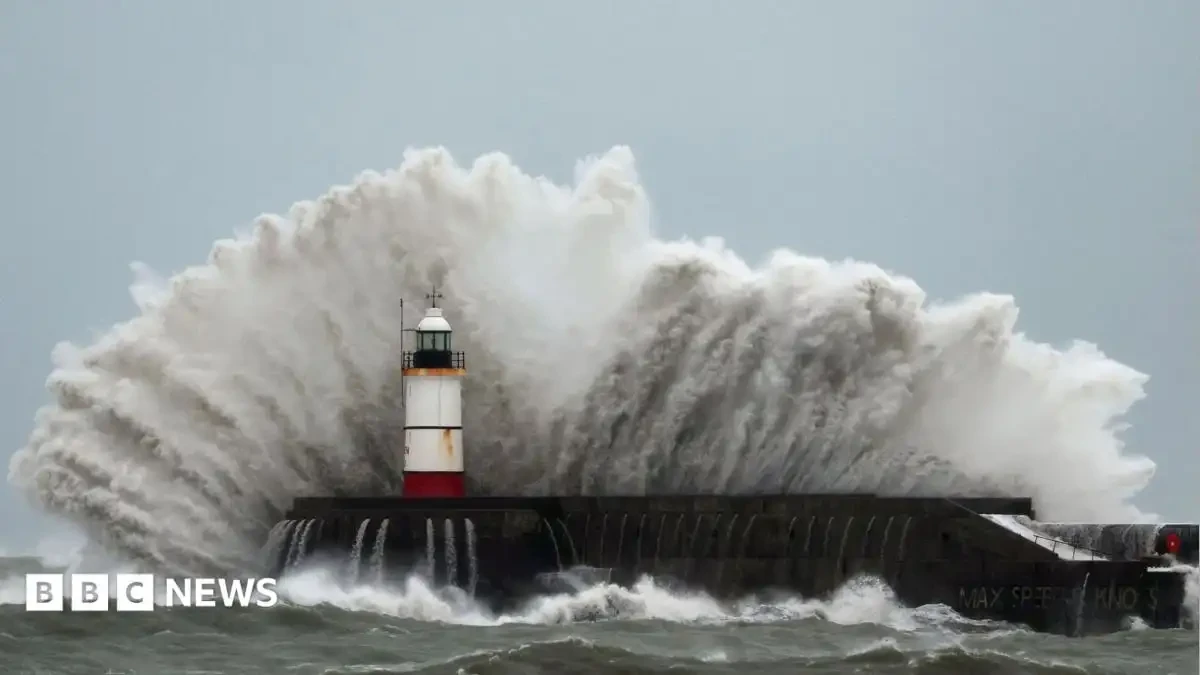
The United Kingdom is preparing for another spell of severe weather after Storm Austen brought powerful winds, heavy rain and widespread disruption across parts of the country. As communities began dealing with power cuts and damaged infrastructure, a second named storm, Storm Boelo, was forecast to bring further difficult conditions over the weekend of October 24–25, 2026.
The back-to-back weather systems have put household preparedness, transport safety and emergency planning in the spotlight. With wind gusts potentially reaching 80mph in exposed locations, authorities have warned that the effects could extend beyond uncomfortable weather to include fallen trees, power interruptions, hazardous coastal conditions and delays to road, rail and air travel.
For residents, the immediate priority is to understand local weather warnings and prepare for possible disruption. The latest developments also highlight why emergency supplies and a clear household plan can make a significant difference when severe weather arrives.
Storm Austen, the first named storm of the 2026–27 storm season, brought particularly challenging conditions to southwest England on Friday, October 23.
Cornwall, Devon and the Isles of Scilly experienced some of the strongest winds. Gusts reached 76mph at St Mary's Airport in the Isles of Scilly, while other exposed locations also recorded powerful gusts. The conditions increased the risk of falling branches, flying debris and damage to buildings.
Power cuts became one of the most immediate consequences. Thousands of homes across southwest England were affected, leaving residents facing uncertainty about electricity supplies, heating, communications and everyday household activities.
Strong winds also caused disruption to roads and transport services. Fallen trees and debris created hazards, while rough seas and coastal waves raised concerns around exposed shorelines. Schools and other local services were affected in some areas.
The storm's impact demonstrated how quickly severe weather can disrupt normal routines. Even when the strongest winds have moved away, residents may continue to experience delayed journeys, repair work, local road closures and interruptions to essential services.
For households affected by outages, staying informed through local authorities and electricity network updates is important. Residents should also take care around damaged power lines and report hazards rather than approaching them.
Attention has now shifted to Storm Boelo, which is forecast to bring another period of strong winds and heavy rain across the UK.
Northern Ireland, Scotland and parts of northern England are among the areas expected to experience the greatest disruption. Amber wind warnings have been issued for parts of these regions, with broader yellow warnings covering additional areas.
Forecasts indicate widespread gusts of around 60–70mph within the more severely affected warning areas, with gusts potentially reaching 80mph along exposed coasts. Strong winds are also possible elsewhere, while heavy rain may create additional problems, particularly over higher ground.
The timing and severity of conditions can vary by location. People should therefore check the latest local forecast rather than relying only on national headlines or a single predicted wind speed.
The strongest gusts can make outdoor activities dangerous, dislodge loose objects and affect vehicles travelling on exposed roads. Coastal areas may face an additional risk from large waves, while heavy rain can reduce visibility and make driving more difficult.
Storm Boelo is expected to move through during Saturday and Sunday, with conditions gradually easing in some areas. However, the timing of improvements will differ across the country, so people should continue monitoring official warnings throughout the weekend.
Successive storms can place additional pressure on households, transport networks, local authorities and repair services.
After the first storm, trees may already be weakened, buildings may have sustained damage and some electricity networks may still be undergoing repairs. Another period of strong winds can create fresh problems before communities have fully recovered.
Power cuts are a particular concern because electricity supports many essential services. Households may lose lighting, heating, internet access and the ability to charge mobile phones. People who rely on electrically powered medical equipment may require additional planning and support.
Transport disruption can also have a knock-on effect. Rail cancellations may leave passengers stranded, road closures can lengthen journeys, and ferry or flight schedules may change at short notice. Emergency and maintenance crews may need to work across several affected areas at once.
These risks explain why official advice focuses on preparation as well as immediate response. Securing outdoor objects, checking travel arrangements and keeping essential supplies accessible can help reduce avoidable problems.
Storms do not affect every region equally, but people should take local warnings seriously even when conditions appear relatively calm outside. Weather can deteriorate quickly, particularly in exposed coastal and upland areas.
The UK government's Be Ready campaign encourages people to prepare for emergencies before they happen. Its advice is relevant not only to severe weather but also to other unexpected disruptions that could affect essential services.
One of its central recommendations is to keep enough basic supplies to support a household for approximately three days. This can help people manage temporary interruptions while emergency assistance is prioritised for those who need it most.
Useful items include:
The exact supplies required will depend on household size, personal needs and local conditions. Families with young children, older residents, disabled people or individuals who depend on electricity for medical needs may need additional preparations.
Preparation should be practical rather than panic-driven. There is no need to buy excessive quantities of supplies during a storm warning. The aim is to maintain a reasonable reserve of essentials and know what to do if normal services are interrupted.
When a severe weather warning is active, small precautions can reduce exposure to avoidable risks.
Before conditions deteriorate, bring lightweight garden furniture, bins, plant pots and other loose items indoors where possible. Secure objects that cannot be moved. Strong gusts can turn unsecured items into dangerous flying debris.
If a journey is not essential, consider postponing it until conditions improve. Check official transport updates before leaving, allow extra time and follow instructions about closures or cancellations.
Drivers should reduce speed in strong winds, leave a greater following distance and take particular care on exposed routes. High-sided vehicles, caravans and motorcycles can be especially vulnerable to gusts. Never drive through floodwater when its depth or the road condition is uncertain.
Storm waves can sweep people off their feet even when they are standing on a beach, harbour wall or sea front. Keep away from exposed shorelines, cliff edges and wave-battered promenades. Do not approach the water to take photographs.
Charge phones and power banks in advance, keep torches accessible and know how to contact your electricity provider. Follow official guidance for any household equipment that depends on electricity.
If you see a fallen or damaged power line, stay well clear and report it to the appropriate authority. Never assume a cable is safe simply because it is not sparking.
Older residents, people living alone and those with mobility or medical needs may require additional support during severe weather. Check in when it is safe to do so, and contact emergency services if someone faces immediate danger.
Severe winds and heavy rain can disrupt several parts of daily life simultaneously. Road networks may be blocked by fallen trees, rail operators may impose speed restrictions or suspend services, and flights and ferry crossings can be delayed or cancelled.
Travellers should check their operator's latest information before setting out. If a service is cancelled, follow official instructions and avoid travelling to stations, ports or airports without confirming that the journey can proceed.
Parents should check announcements from local schools and childcare providers, especially in areas facing stronger winds or difficult road conditions. Businesses may also need to review outdoor operations, deliveries and staff travel arrangements.
Emergency and utility services will prioritise hazards and restoration work according to local needs. Residents can help by reporting problems accurately, avoiding blocked routes and keeping away from areas where repair crews are working.
The wider lesson is that storm preparedness involves more than monitoring a weather app. It also means adjusting plans early and being ready for disruption to last beyond the period of strongest winds.
Conditions may improve gradually as the weather systems move away, but the end of a warning does not necessarily mean all hazards have disappeared.
Fallen trees, damaged roofs, loose building materials and standing water can remain dangerous after winds ease. Roads may stay closed while inspections and repairs take place, and power restoration can take time in areas where infrastructure has suffered damage.
Residents should inspect their property only when it is safe to do so. Avoid climbing onto roofs or attempting repairs in dangerous conditions. Report serious damage to the relevant local authority, utility provider or emergency service.
People should also continue following updated weather forecasts. Further unsettled conditions are possible after the weekend, and the outlook can change as new information becomes available.
For households, this is a useful opportunity to review emergency supplies, check insurance information and consider how to stay in contact with family if phone or internet services are interrupted.
Storm Austen and the arrival of Storm Boelo provide a timely reminder that severe weather can affect more than one part of the country in quick succession. Power cuts, transport disruption and dangerous coastal conditions can create challenges even for people who are not directly in the strongest-wind warning areas.
A simple emergency plan can make these situations easier to manage. Keeping basic supplies, securing outdoor items, checking official alerts and knowing how to respond to a power cut are practical steps that do not require major expense.
The most important principle is to act before conditions become dangerous. Once strong winds arrive, securing furniture, travelling for supplies or attempting outdoor repairs can put people at unnecessary risk.
As the UK moves through this stormy autumn weekend, residents should rely on the latest official weather warnings and follow advice from emergency services. Preparedness cannot prevent a storm, but it can reduce its impact and help households respond more safely.
