•
•
•
•
•
•
•

Timeline, the Strait of Hormuz, oil prices and what to watch after Trump's midterm pause
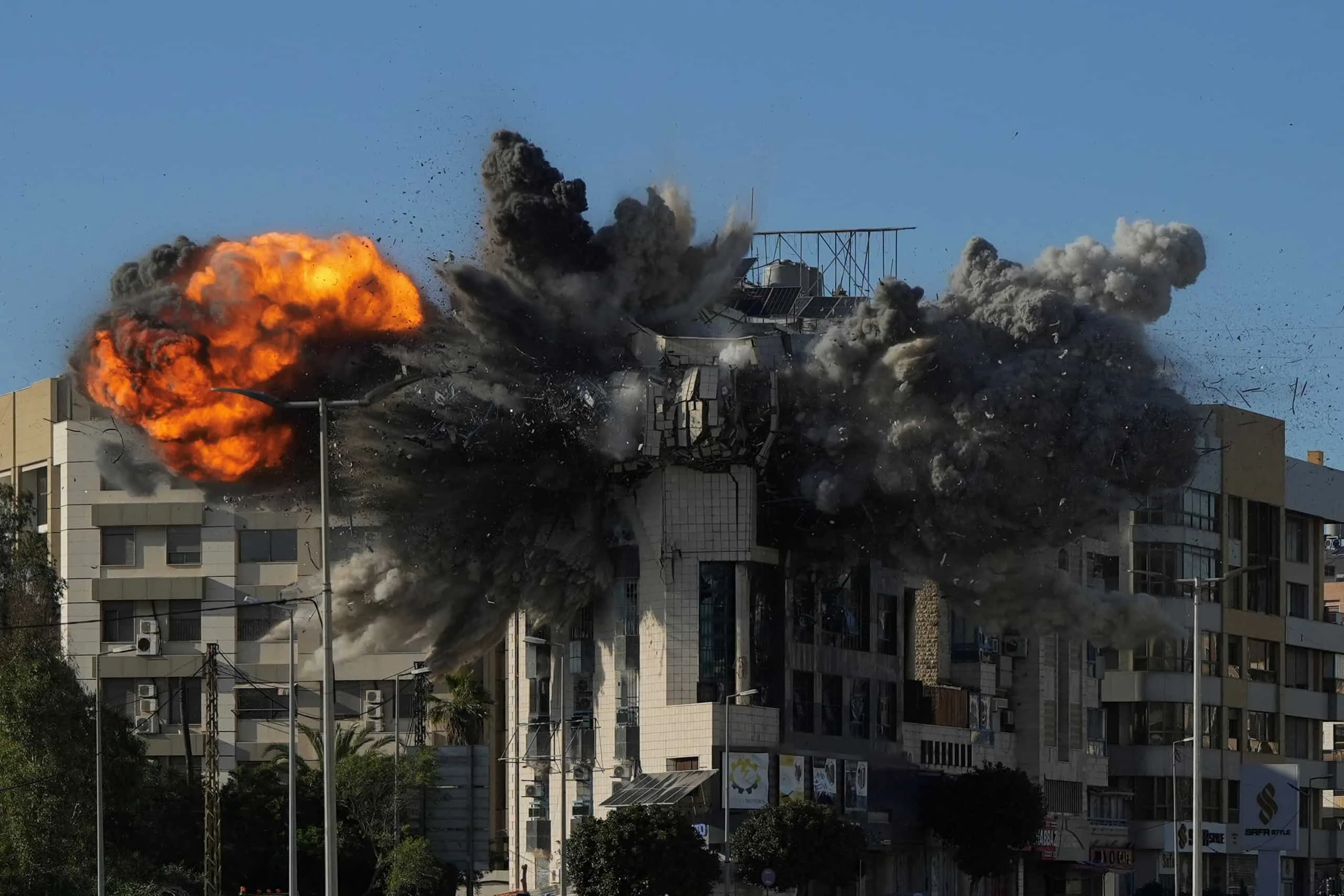
The war between the United States, Israel and Iran has entered its eighth month, and it is shaping oil prices, regional security and US politics. This guide explains how the Iran war began, why the Strait of Hormuz matters, how oil prices have reacted and what to watch after Trump's pledge to hold off strikes until after the midterms. Claims by all sides are difficult to verify independently, so this explainer attributes them where possible.
| Date | Event |
|---|---|
| February 28, 2026 | US and Israel launch attacks on Iran, starting the war |
| March 1 | An Iranian drone strike on Port Shuaiba in Kuwait kills six US soldiers, the deadliest attack of the war |
| March 23 | Trump postpones strikes on Iranian power plants for five days, citing talks |
| Spring | Trump announces a two-week ceasefire after talks involving Pakistani leaders, conditional on reopening Hormuz |
| June | Trump and Iranian President Masoud Pezeshkian sign an interim deal with a 60-day ceasefire and peace framework, which collapses within weeks |
| July | Yemen's civil war reignites, drawing in Saudi Arabia |
| Late September | Trump rejects Iran's offer to reopen Hormuz within seven days if the US meets conditions |
| October 8 | Trump pledges no strikes before November 3; US sanctions 17 Iranian "shadow fleet" tankers |
The Strait of Hormuz is the narrow waterway through which about one-fifth of the world's oil flowed before the war. Control of it is now the central dispute. Iran says the strait is closed and under its control. Washington says the opposite: Secretary of State Marco Rubio said this week that Iran has "lost complete control" and that nearly as much oil is flowing as before the conflict.
Both sides are enforcing opposing blockades. The US Navy escorts tankers and blockades Iran's own exports, while ships continue to be struck by projectiles. UK maritime monitors reported nine attacks in the first week of October, about half of September's total for the strait and Gulf combined. Alternative routes are growing, including overland pipelines and a planned truck route for Iraqi crude through Syria.
Oil is the war's most visible economic effect. Brent crude jumped about 4% to roughly $105 on October 8 after The Atlantic reported that the White House had asked the Pentagon for options to strike Iran before the midterms, then eased to about $103 after Trump's pledge. The IEA says member countries still hold about 1.1 billion barrels of public emergency stocks and will prioritise diesel, which is especially tight after refinery damage. Saudi Aramco's chief executive has warned that global stockpiles are "scarily thin." High fuel prices also feed inflation worries that markets are watching closely.
The USS Abraham Lincoln returned to San Diego on October 8 after a record 321-day deployment. Pentagon statistics say its strike group flew 3,693 combat sorties and sank 64 Iranian warships. A third carrier, the USS Theodore Roosevelt, could arrive as early as the end of October. Reports of crew stress and supply shortages have drawn attention, and some families of fallen soldiers have asked for more transparency about the March 1 attack in Kuwait.
The war has widened. Iran-backed Houthi forces claim repeated missile attacks on Riyadh's King Khalid International Airport, and Saudi authorities say three people were killed in attacks on two airports on October 6 and 7. More than 200,000 people have been displaced in Yemen, the UN's migration agency says. In Lebanon, fighting has continued despite a June framework, and the EU is backing an extension of the UN peacekeeping mandate.
The timing is political. Rising fuel prices weigh on voters, and Republicans face a difficult November. The Atlantic reported that supporters of new strikes see them as a way to show strength and lower gas prices, while a White House official said all options remain available. Trump has said the war would end soon, but he has been saying that since March.
When did the Iran war start?
On February 28, 2026, with US-Israeli attacks on Iran.
Why is the Strait of Hormuz important?
About one-fifth of the world's oil flowed through it before the war.
Will the US strike Iran before the midterms?
Trump says it will not attack before November 3.
What happens to oil prices?
They have hovered near $100 a barrel and react quickly to news of strikes or talks.
The Iran war is a story of military action, economic strain and uncertain diplomacy. Trump's pledge buys a short pause, but unresolved disputes over Hormuz, the blockade and enrichment mean the conflict is far from over.
