•
•
•
•
•
•
•

Early reports of broken iPhone Duo screens are raising concerns about foldable phone durability. Explore repair costs, AppleCare+ coverage and practical tips to protect your device.
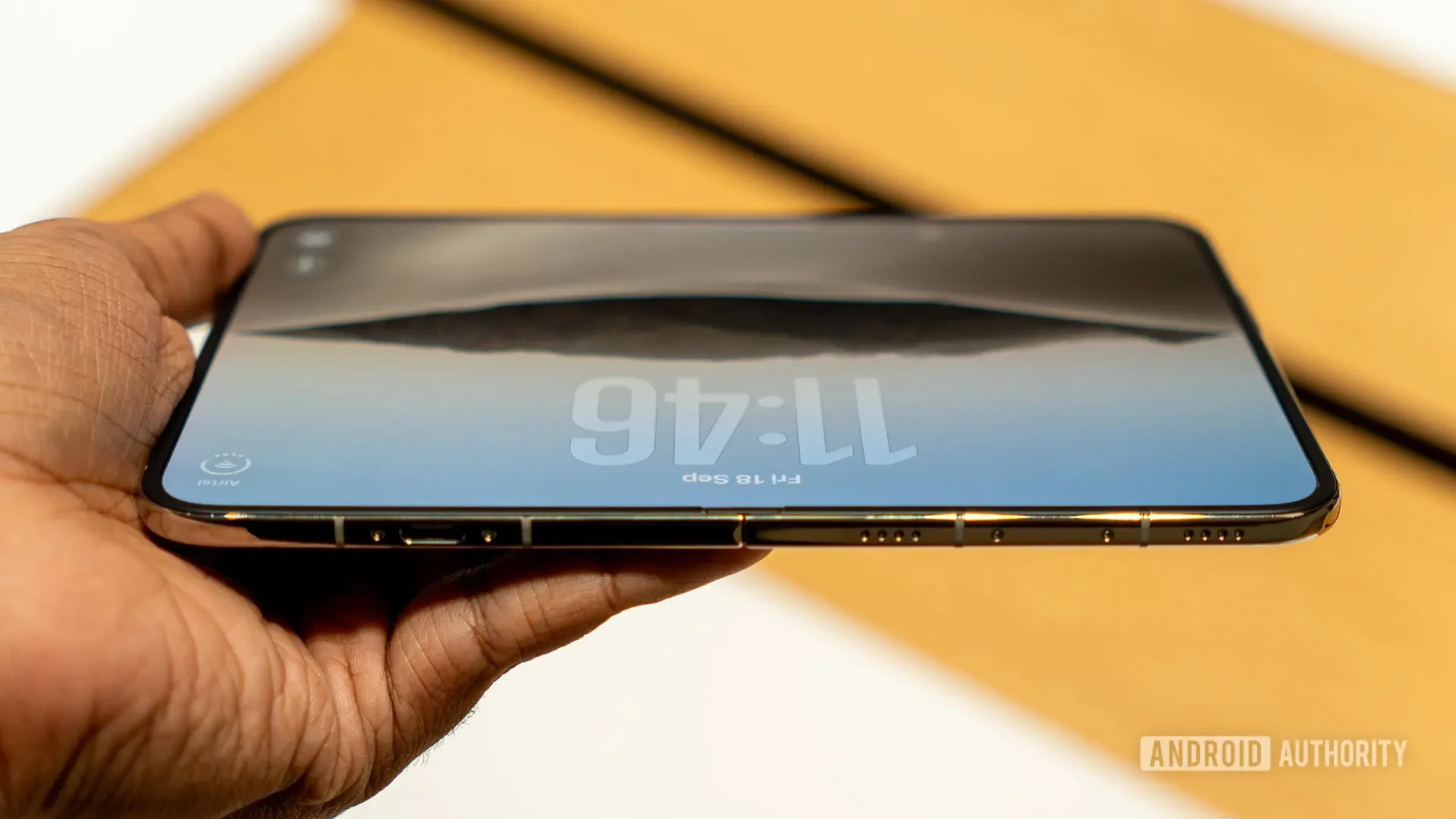
Foldable smartphones promise the convenience of a compact phone with the larger screen experience of a tablet. However, their sophisticated designs also introduce new questions about durability, maintenance and repair costs. Apple’s iPhone Duo is now facing scrutiny after reports of early screen damage began appearing shortly after the device reached customers.
Some owners have shared images and videos showing damaged inner displays, with visible problems appearing around the hinge and along the right side of the screen. One reported incident involved a device that allegedly developed a crack while being opened during normal use, without obvious external marks indicating a drop or impact. Other posts have shown similar display problems.
These accounts have attracted attention because a foldable phone’s hinge and flexible display are essential to its operation. If damage appears during ordinary handling, customers naturally want to know whether the problem is isolated, linked to a particular unit or indicative of a wider durability concern.
At this stage, early reports alone cannot establish a widespread manufacturing defect. The cause of the reported failures remains unclear, and further evidence is needed to determine whether the affected devices share a common issue. Nevertheless, the reports highlight an important consideration for anyone buying a premium foldable smartphone: the purchase price is only part of the overall ownership cost.
Unlike a conventional smartphone, a foldable device must accommodate a display that bends repeatedly around a hinge. This creates engineering challenges that do not apply in the same way to a standard rigid screen.
The inner display must balance flexibility with resistance to everyday wear. The hinge must also guide the two halves of the phone through repeated opening and closing without placing excessive pressure on delicate internal components. Even small particles, unusual pressure or accidental mishandling can become concerns for devices with complex moving parts, although the exact cause of the reported iPhone Duo incidents has not been established.
The location of the reported damage is particularly notable. The hinge is where the phone’s two sections meet, making it a mechanically important area. If a display breaks near this point, users may worry about how the device will withstand months or years of regular folding.
However, it is important to distinguish between a potential design concern and a confirmed defect. A handful of early reports cannot reveal the failure rate across all devices sold. More information from Apple, technical investigations and longer-term user experiences will be needed before drawing firm conclusions about the iPhone Duo’s screen durability.
For prospective buyers, the sensible approach is to monitor verified developments rather than assume either that every device is at risk or that the reports can be ignored.
Repair expenses are another major part of the conversation. A premium foldable phone contains specialised components, and replacing its flexible inner display can be substantially more expensive than repairing a conventional smartphone screen.
In the United States, published estimates for iPhone Duo out-of-warranty repairs show that costs vary widely according to the damaged component.
| Repair type | Estimated cost without AppleCare+ |
|---|---|
| Inner display damage | $999 |
| Outer display damage | $379 |
| Back glass damage | $199 |
| Outer display and back glass damage | $509 |
| Rear camera damage | $229 |
| Other damage | $1,499 |
The inner display repair is especially expensive at $999. The maximum listed fee for other damage reaches $1,499, which represents a substantial proportion of the phone’s reported $1,999 starting price in the US.
These figures demonstrate why foldable smartphone buyers should consider repairability before making a purchase. A minor accident involving a conventional phone may be manageable, but damage to a specialised foldable display or other major components can result in a much larger bill.
Repair prices and coverage can differ by country, service conditions and the final diagnosis. US dollar estimates should therefore not be treated as universal prices. Customers should check the official Apple repair information for their region before making financial decisions.
AppleCare+ can make accidental damage significantly less expensive to repair, according to the published US fee schedule. For eligible iPhone Duo repairs, the listed inner display service fee falls from $999 without coverage to $99 with AppleCare+. Other accidental damage is listed at $99, while eligible outer display and back glass repairs also carry lower fees.
AppleCare+ with Theft and Loss is listed at $19.99 per month, $199.99 per year or $399 as a one-time payment in the US. The exact plan, terms and eligibility conditions matter, so buyers should confirm what is included before enrolling.
Whether the protection plan is worthwhile depends on how the phone will be used, how long the owner plans to keep it and whether they can comfortably afford a major repair. Someone who frequently travels, uses a phone in demanding environments or has previously damaged devices may place a higher value on predictable repair expenses.
On the other hand, insurance or extended protection is not automatically the best financial choice for every customer. The cost of the plan accumulates over time, and exclusions, service fees and claim conditions can affect its value.
The best decision comes from comparing the price of coverage with the potential cost of repair and reviewing the exact terms rather than relying on a general assumption that every repair will be free or fully covered.
Anyone who notices a crack, bright line, flickering area or other unusual display behaviour should avoid putting extra pressure on the screen. Repeatedly folding or pressing a damaged display could worsen the problem, especially if the damage is close to the hinge.
Owners should document the condition of the phone with photographs, keep purchase and coverage details available, and contact Apple or an authorised service provider for an assessment. If the device appears to have failed during normal use, explaining the circumstances clearly can help the service team evaluate the issue.
Do not attempt to press a crack flat, remove display layers or repair the hinge at home. Foldable phones contain specialised components that can be damaged by improvised repairs. Professional assessment is the safer option, particularly when the device is still covered by a warranty or protection plan.
It is also worth backing up important data regularly. A damaged display can become difficult to use, and a device that stops responding may complicate access to photos, messages and other information.
Although no precaution can guarantee that a screen will never fail, careful handling can reduce avoidable risks.
These measures are useful for foldable phones generally, but they should not be interpreted as proof that any particular handling habit caused the reported iPhone Duo failures.
The iPhone Duo’s early screen-damage reports highlight a broader challenge for the foldable smartphone market. Consumers want innovative designs, larger displays and flexible form factors, but they also expect expensive devices to withstand ordinary use.
For manufacturers, long-term confidence depends not only on introducing new hardware but also on demonstrating reliability, providing clear repair policies and supporting customers when something goes wrong. For buyers, understanding the cost of ownership is just as important as comparing camera specifications, battery life or screen size.
The reports do not yet prove that the iPhone Duo has a widespread durability problem. Still, the combination of early display failures and high out-of-warranty repair estimates gives prospective buyers good reason to review independent updates, compare protection options and consider how much financial risk they are willing to accept.
Ultimately, a foldable smartphone should deliver more than an impressive design. It should also offer an ownership experience that makes sense over time. Until more evidence clarifies the cause and frequency of the reported damage, cautious purchasing decisions and a clear understanding of repair coverage remain the most practical approach.
