•
•
•
•
•
•
•

Why the US restricts advanced chips, and how smuggling cases are prosecuted
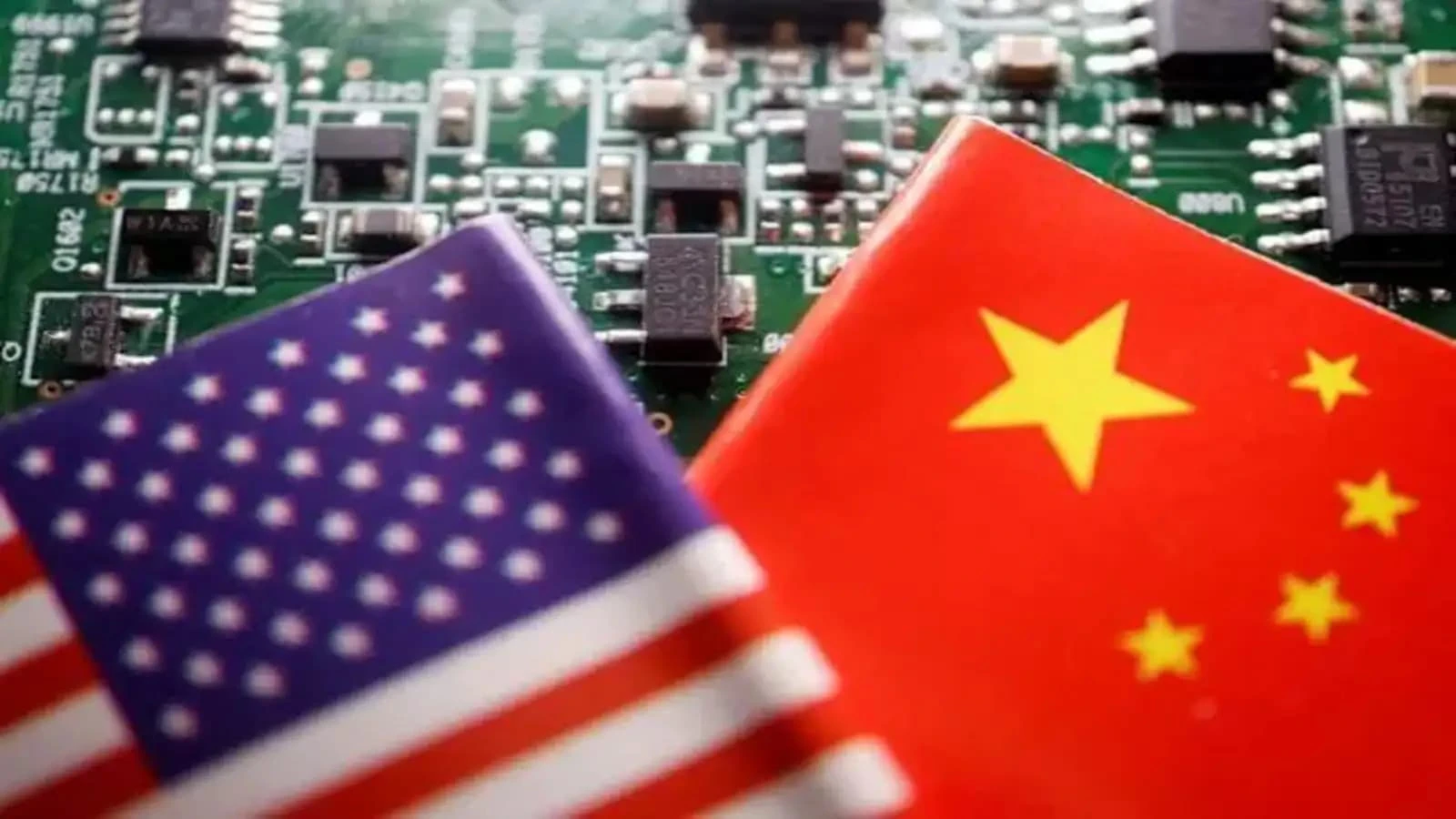
In early October 2026, a contractor associated with Super Micro Computer pleaded guilty to helping divert AI servers containing Nvidia chips to China, in a case prosecutors valued at about $2.5 billion. Prosecutors said three individuals were charged and that intermediaries concealed the true Chinese recipients, according to a TechStartups summary of Reuters reporting. The case shows how the United States enforces its export controls on advanced AI chips, rules designed to limit China's access to the computing power used to train advanced AI models.
Export controls are laws that restrict the sale or transfer of sensitive goods, software and technology to certain countries, entities or end uses. In the United States, the main rules for commercial and "dual-use" technology are the Export Administration Regulations (EAR), administered by the Commerce Department's Bureau of Industry and Security (BIS).
| Element | Description |
|---|---|
| Controlled items | Advanced AI chips, chipmaking equipment, certain software |
| Key restricted destinations | China, Russia and others |
| Entity List | Companies needing a licence before receiving controlled US items |
| Penalties | Fines, export bans and prison for criminal violations |
Since October 2022, the US has introduced and repeatedly tightened rules restricting exports of advanced AI accelerators and chipmaking tools to China. The stated aims are to:
China calls the controls unfair and is investing heavily in domestic chips. In October 2026 it issued AI guidelines emphasising technological self-sufficiency.
Common tactics prosecutors have alleged in chip-smuggling cases include:
AI servers, not just individual chips, are attractive because they come ready to deploy in data centres.
This article is for general information and is not legal advice.
US export controls require licences for advanced AI chips destined for China, and licences are generally restricted for the most powerful products.
According to Reuters reporting summarised by TechStartups, a contractor associated with Super Micro Computer pleaded guilty to helping divert AI servers with Nvidia chips to China, in a case valued at about $2.5 billion. Three individuals were charged.
A US Commerce Department list of foreign companies and organisations that need special licences to receive US-controlled technology.
They can include large fines, loss of export privileges and, for criminal violations, prison sentences.
The $2.5 billion diversion case shows how central AI chips have become to US–China rivalry. As demand for computing power grows, governments are tightening controls and prosecutors are pursuing smuggling networks, which raises compliance stakes for every company in the AI hardware supply chain.
