
US Suspends Green Card Sponsorship for 8 Tech Firms

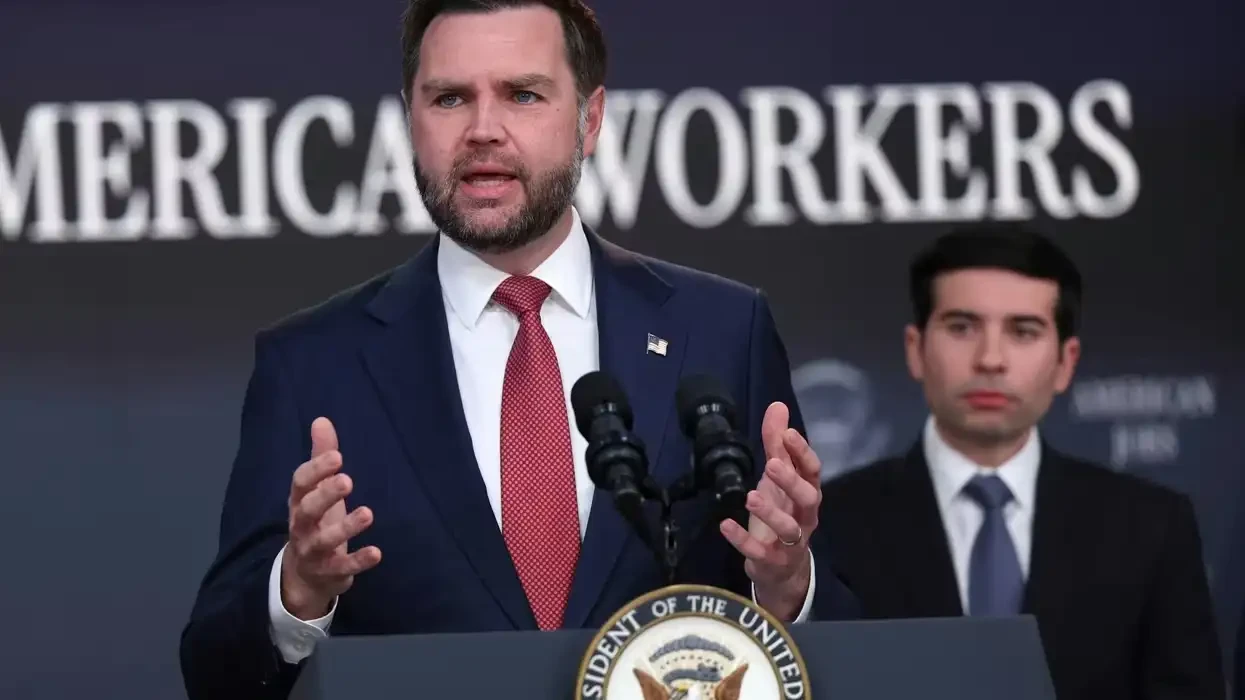
US Suspends Green Card Programme for Major IT Companies
The United States has suspended eight major technology and IT services companies from the Permanent Labour Certification Programme (PERM), a key step in obtaining employer-sponsored green cards. The companies named by US authorities include Indian IT firms Infosys, Tata Consultancy Services (TCS), Wipro, HCLTech and Cognizant, alongside Microsoft, Adobe and Capgemini.
Announced on October 8, 2026, by US Labour Secretary Keith Sonderling alongside Vice President JD Vance, the action means the Department of Labour will not accept new or process pending PERM applications involving the affected companies while the suspensions remain in place. Officials have alleged misuse of employment-based immigration programmes and argued that hiring practices have harmed American workers.
Why Has the US Targeted Indian IT Companies?
The decision forms part of the Trump administration’s wider crackdown on skilled-worker immigration. US officials have accused some employers of relying on foreign workers while laying off American employees or failing to adequately prioritise domestic candidates.
Vance specifically criticised Microsoft, citing layoffs and the company’s use of H-1B visas and green card applications. The administration has framed the suspensions as an effort to protect American jobs and investigate alleged abuse. These are government allegations; the announcement itself does not establish that every affected company committed wrongdoing.
How Will the Green Card Suspension Affect Indian Workers?
The immediate impact is on the employer-sponsored green card process, rather than an across-the-board cancellation of H-1B visas. PERM is generally the labour certification stage employers must complete before proceeding with many employment-based green card petitions.
For Indian professionals whose employers have not yet filed PERM applications, the suspension could delay the start of their permanent residency process and prevent them from establishing a priority date through a new filing during the suspension. The consequences may be particularly significant for workers already facing long employment-based green card backlogs.
Some H-1B employees approaching the usual six-year limit could also face additional uncertainty, because eligibility for certain extensions beyond that limit can depend on the timing and progress of employment-based immigration filings. Individual outcomes will depend on each worker’s immigration history and applicable rules.
Does This Mean H-1B Visas Have Been Suspended?
No. The announcement targets the PERM labour certification route used for many employment-based green cards. It does not, by itself, suspend all existing H-1B visas or automatically cancel the status of workers already employed in the US.
However, affected employees who hope to transition from temporary work status to permanent residency may face delays while the restrictions remain in effect. The duration of the suspensions and the outcome of the investigations will be important factors in determining the longer-term impact.
What Happens Next?
The move adds fresh uncertainty for Indian IT companies and skilled professionals seeking long-term employment in the United States. Businesses may need to reassess immigration timelines, while affected workers may need individual legal advice about their current status and available options.
For now, the central issue is the suspension of PERM processing for the eight named companies—not a blanket ban on Indian professionals working in America. Further developments will depend on the US Department of Labour’s investigations and any subsequent policy decisions.