
Putin Seeks Trump-Xi Summit to Shape Ukraine Peace Deal

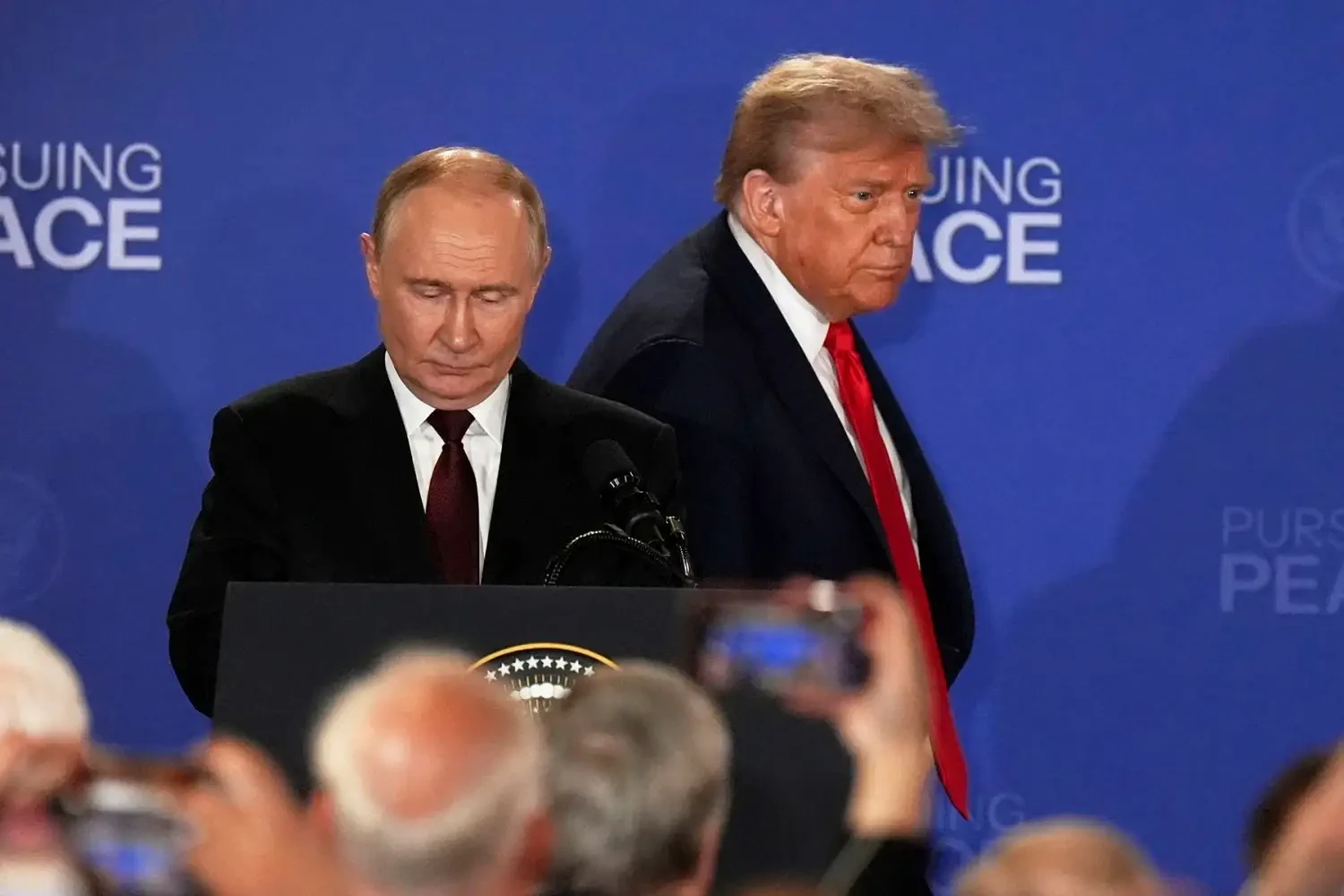
Putin Proposes Three-Way Summit on Ukraine War
Russian President Vladimir Putin has proposed a summit with US President Donald Trump and Chinese President Xi Jinping to discuss a potential end to the Russia-Ukraine war, according to a report published by The Wall Street Journal and cited by Reuters.
The proposal reportedly emerged during a telephone conversation between Putin and Trump on October 9. Moscow is seeking a settlement that would align with its interests, while Washington has continued to explore diplomatic options to end the conflict, which has lasted more than four years.
The proposed meeting could bring together three of the world's most influential leaders to discuss the future of the war. However, the reported plan has raised questions about whether an agreement negotiated without Ukraine's direct participation could lead to a lasting peace.
APEC Summit in China Could Provide Meeting Opportunity
According to the report, the Kremlin has suggested holding the proposed trilateral meeting on the sidelines of the Asia-Pacific Economic Cooperation (APEC) summit, scheduled for November 18–19 in Shenzhen, China.
Kremlin spokesperson Dmitry Peskov confirmed that discussions about a possible meeting were taking place. However, he indicated that there was no final agreement on whether the summit would happen or what its agenda would include.
A senior US official reportedly said Trump had not agreed to the proposal, although he could be receptive to the idea.
China's potential involvement could give Beijing a more prominent role in international efforts to resolve the conflict. Xi has maintained diplomatic and economic ties with Moscow while also seeking to preserve China's broader international relationships.
For Russia, the proposed meeting could offer an opportunity to strengthen its diplomatic position and engage directly with Washington and Beijing.
Why Ukraine's Absence Could Become a Major Issue
One of the central concerns surrounding the proposed summit is the potential absence of Ukrainian President Volodymyr Zelenskyy.
Ukraine has consistently maintained that any settlement must respect its sovereignty and territorial integrity. A meeting involving Russia, the United States and China without Ukrainian representation could raise concerns in Kyiv and among European governments about decisions being discussed over Ukraine's future without its participation.
Zelenskyy has also criticised recent US moves involving Russian energy supplies and the easing of sanctions, warning that such measures could strengthen Moscow's position.
European governments are likely to watch the diplomatic initiative closely, particularly if discussions involve territorial questions, security guarantees or the future relationship between Russia and Ukraine.
Russia-US Relations and Energy Cooperation
The summit proposal comes amid renewed engagement between Moscow and Washington on energy and diplomatic issues.
Following the October 9 phone call, Trump announced an arrangement involving Russian diesel supplies and signed an executive order easing key sanctions on Moscow. The developments have attracted criticism from Ukrainian officials concerned that increased Russian energy revenues could help Moscow sustain its war effort.
For the United States, additional fuel supplies could potentially ease pressure on energy prices. For Russia, improved access to markets could provide economic benefits while creating opportunities for closer engagement with Washington.
These parallel developments suggest that energy policy and Ukraine diplomacy are increasingly connected in discussions between the two governments.
What Happens Next?
The proposed Trump-Putin-Xi summit remains uncertain. Trump has not formally accepted the invitation, and officials have yet to establish a confirmed date, agenda or framework for negotiations.
If the meeting takes place, it could become an important diplomatic moment in efforts to end the Ukraine war. However, its significance will depend on whether the discussions produce concrete proposals, whether Ukraine and European partners are involved in subsequent negotiations, and whether the parties can agree on terms acceptable to those directly affected by the conflict.
For now, the proposal signals Russia's interest in high-level talks with Washington and Beijing, but it does not represent a confirmed peace agreement or a breakthrough in negotiations.