
Trump Waives Russia Oil Sanctions, Offering Relief to India

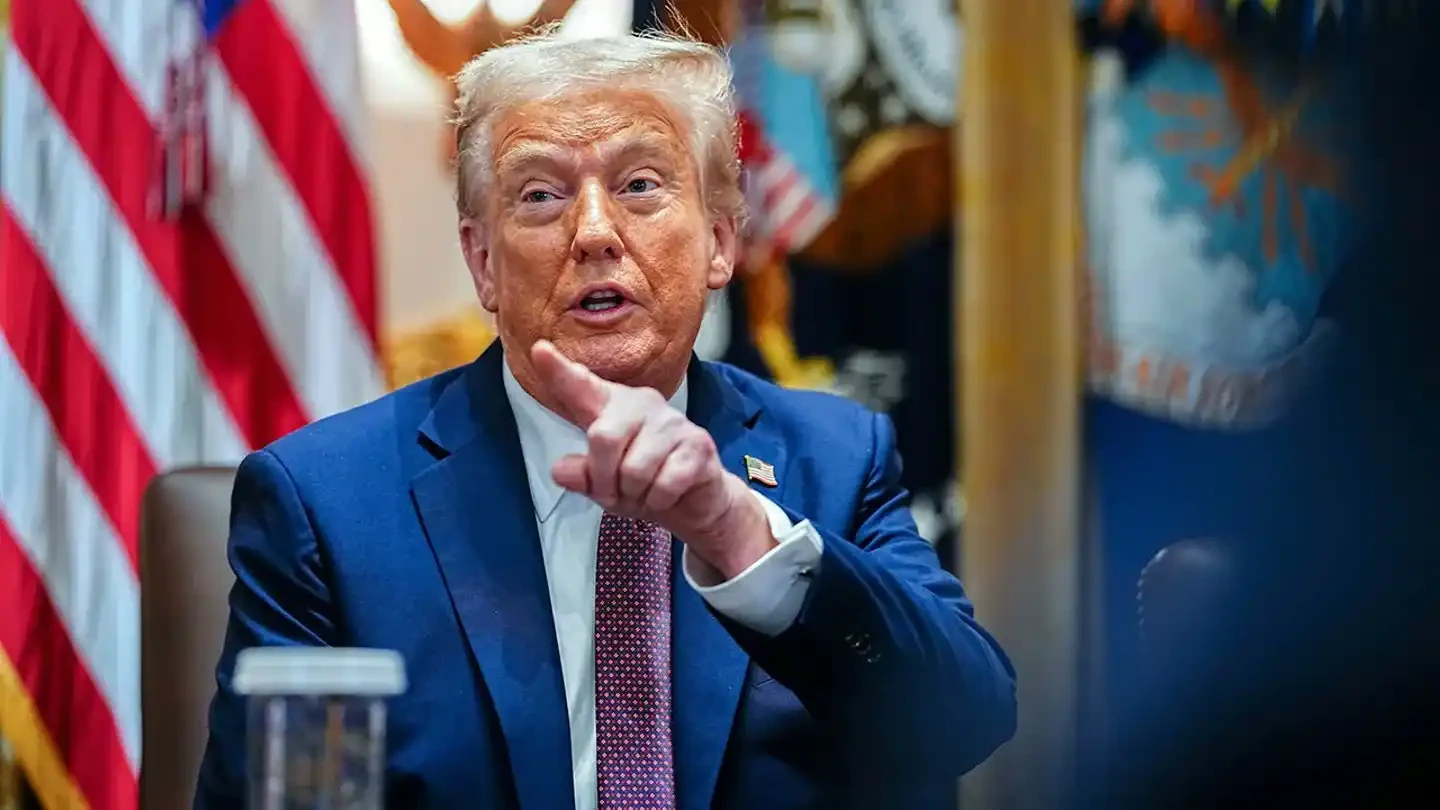
US President Donald Trump has waived key sanctions, restrictions and tariff provisions targeting purchases of Russian oil and gas, providing potential relief to India and other major buyers of Russian energy. The decision, announced on October 17, 2026, comes just before the implementation of measures that could have exposed countries such as India and China to additional US tariffs of up to 100%.
Trump invoked the national-interest provision of the Lindsey O. Graham Sanctioning Russia and Iran Act of 2026, allowing his administration to withhold specified penalties. The move marks a significant development in US energy and trade policy, particularly for countries that depend on Russian crude to meet domestic fuel demand.
Why Did Trump Waive the Russia Sanctions?
The sanctions legislation was designed to increase economic pressure on Moscow over its ongoing war against Ukraine. It also gave the US president authority to impose steep tariffs on major purchasers of Russian oil and gas and take action against countries accused of helping Russia circumvent sanctions.
However, the law includes a provision allowing the president to waive certain measures when doing so is considered in the national interest.
Trump used this provision to suspend the application of specified sanctions, restrictions and duties under the legislation. The decision follows recent developments in US-Russia energy discussions, including an agreement involving Russian diesel supplies intended to support energy availability and ease pressure on fuel markets.
The administration's decision highlights the challenge of balancing pressure on Russia with the need to manage energy prices and protect domestic economic interests.
What Does the Decision Mean for India?
India is among the countries most directly affected by the potential consequences of US penalties on Russian energy purchases. Russian crude has become an important component of India's oil-import mix, helping refiners source supplies amid changing international prices and geopolitical disruptions.
The threat of additional US tariffs had raised concerns that India's energy trade with Russia could create further pressure on bilateral trade relations.
With the waiver, the immediate risk of penalties under the specified provisions has eased. Indian refiners may have greater flexibility to assess Russian crude purchases based on price, availability, shipping costs and refinery requirements.
The decision could also help India continue diversifying its energy sources without facing the same immediate threat of additional tariffs under the paused provisions.
However, the waiver should not be interpreted as a permanent guarantee that India will face no US trade penalties. Its practical impact will depend on the scope of the executive order, other existing trade measures and any future decisions by Washington.
What Is the Lindsey Graham Act?
The Lindsey O. Graham Sanctioning Russia and Iran Act of 2026 is a US law intended to strengthen economic pressure on Russia and address activities supporting its war effort.
The legislation provides for measures targeting Russian officials, financial institutions and energy-related activities. It also authorises the US president to impose tariffs of up to 100% on goods from certain major purchasers of Russian oil or gas.
India and China have been closely watched because of their substantial purchases of Russian energy.
The law's national-interest waiver provision gives the president discretion to withhold specified penalties. Trump's latest decision demonstrates how that authority can affect the implementation of sanctions and trade restrictions.
Impact on Global Oil Prices and Energy Security
The decision comes amid heightened concerns about global energy supplies and geopolitical tensions. Restrictions on major Russian oil buyers could potentially disrupt established trade flows, increase procurement costs and add uncertainty to international energy markets.
By waiving the specified measures, Washington has reduced the immediate threat of another layer of trade restrictions on Russian energy purchases.
For India, continued access to competitively priced crude could help refiners manage input costs. Nevertheless, lower petrol and diesel prices in India are not guaranteed. Domestic fuel prices also depend on international crude benchmarks, the rupee-dollar exchange rate, refining costs, taxes and oil-marketing decisions.
The waiver may offer greater flexibility to energy-importing economies, but its effect on global prices will depend on actual supply conditions and future geopolitical developments.
What Happens Next?
The immediate focus will be on how the Trump administration implements the waiver and whether the suspended measures are reinstated or modified.
India will also continue to weigh energy security against the broader implications of its trade relationship with the United States. Decisions by Indian refiners are likely to depend on commercial viability, supply reliability and the regulatory environment.
The waiver represents temporary relief rather than a final resolution of the tensions surrounding Russian energy exports. US policy toward Russia, the war in Ukraine and international oil trade could continue to influence India's energy costs and economic relations.
For now, Trump's decision eases the immediate pressure created by the threatened penalties under the Graham Act, giving India and other major Russian energy buyers greater room to navigate an uncertain global oil market.