
France in Turmoil: Why Nationwide Protests Have Turned Into Violent Riots

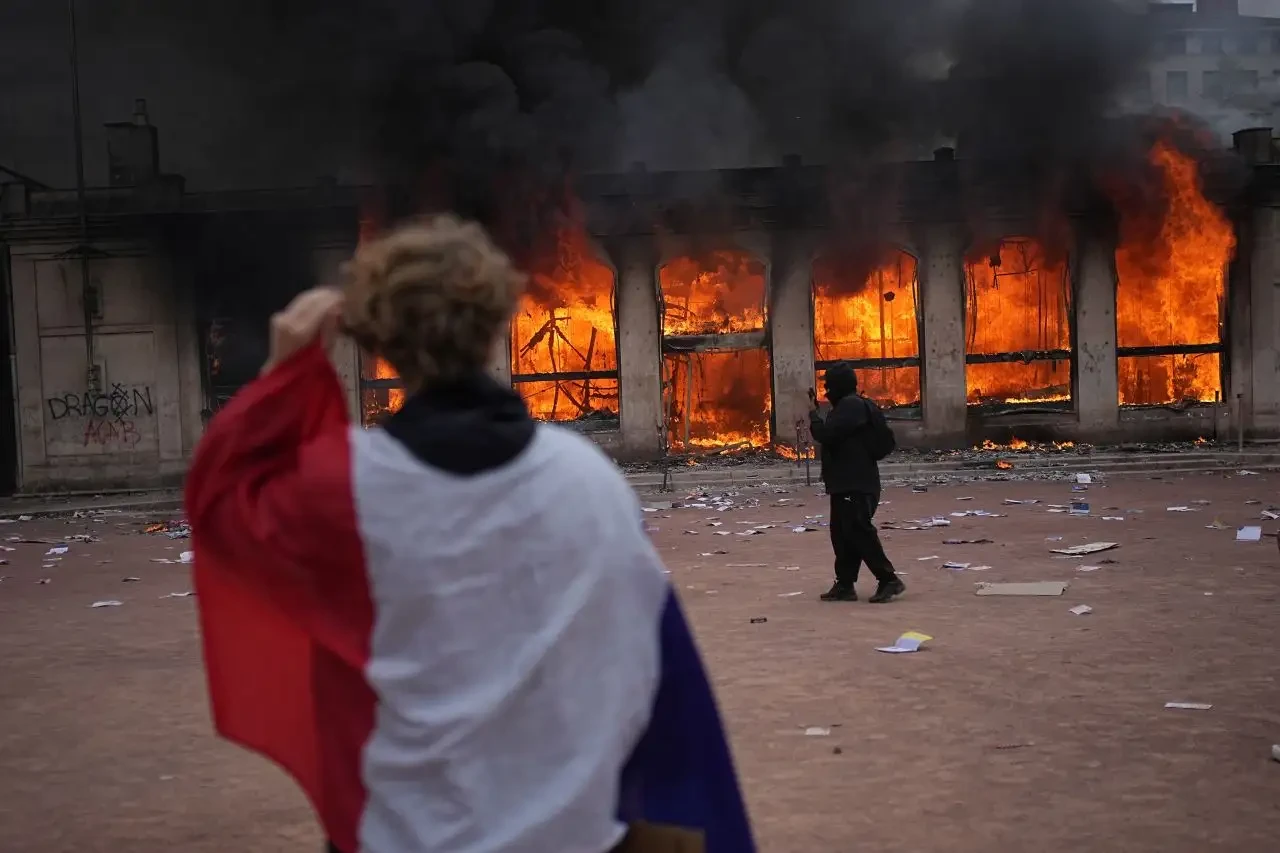
France Protests Escalate Into Nationwide Unrest
France is grappling with one of its most serious episodes of unrest in recent years after nationwide protests over economic pressures and deteriorating school conditions escalated into rioting, looting and clashes with police.
The demonstrations, held across major cities including Paris, Marseille, Lyon and Bordeaux, brought together students, workers, trade unions and other demonstrators frustrated by the rising cost of living and concerns about public services.
According to reports published on October 18, French authorities estimated that approximately 550,000 people participated in the protests, while organisers put the figure at around 800,000. Although many demonstrations were peaceful, groups of rioters reportedly attacked businesses, damaged public property and set fires.
The unrest has intensified pressure on President Emmanuel Macron's government as France confronts economic concerns and growing political divisions ahead of the 2027 presidential election.
Why Are People Protesting in France?
The current wave of protests has roots in several interconnected grievances, particularly rising household expenses and concerns about the quality of public education.
Students have raised concerns about staff shortages, deteriorating school facilities, long teaching hours and uncertainty surrounding university admissions. Some students have reportedly experienced extended periods without replacement teachers, adding to frustration over educational opportunities.
The movement subsequently attracted wider support from workers and trade unions concerned about purchasing power, wages, pensions and the cost of essential goods.
Higher fuel prices have added to household financial pressures, while dissatisfaction with public services has strengthened calls for government action.
The protests also reflect a broader crisis of confidence in France's political leadership. However, the demonstrators do not necessarily share identical objectives, and the individuals involved in violence and looting do not represent everyone participating in the movement.
Looting, Fires and Clashes With Police
Violence overshadowed parts of the demonstrations on October 17, with reports of looted shops, damaged storefronts, attacks on police and fires at public buildings.
In Limoges, a historic city hall was engulfed in flames, causing severe damage to the building. Other incidents were reported in Marseille and Lyon, where public facilities and commercial premises were targeted.
Retailers also suffered significant losses. French supermarket group Carrefour reported that approximately 50 of its stores had been damaged, including 20 that were looted, with losses estimated in the tens of millions of euros.
Police deployed tear gas and other crowd-control measures as clashes continued in some locations. The response has prompted scrutiny over the use of force, particularly after reports of serious injuries among protesters.
The scale of the destruction has raised concerns about public safety, business continuity and the economic consequences of prolonged unrest.
Macron Vows Accountability for Rioters
President Emmanuel Macron condemned the violence in a televised address on October 18, distinguishing between peaceful protesters with legitimate grievances and individuals responsible for destruction.
He vowed that those who looted businesses would be held responsible for the damage and that individuals seeking to undermine the French Republic would face accountability.
Interior Minister Laurent Nuñez also stressed the need to protect public institutions, businesses and residents while maintaining public order.
Authorities reported thousands of arrests, although figures varied between reports as the operation continued. The government also indicated that local officials could restrict demonstrations where necessary to protect public buildings and commercial areas.
Macron has faced pressure from political opponents demanding a tougher security response, while critics of the police operation have raised concerns about the treatment of demonstrators.
Political Fallout Ahead of the 2027 Election
The unrest has added to France's political uncertainty ahead of next year's presidential election. Political leaders across the spectrum have criticised the violence while disagreeing over its causes and the government's response.
The protests have also revived comparisons with France's 2018 Yellow Vest movement, which began over fuel costs and developed into a broader challenge to economic inequality and government policy.
For Macron's administration, the challenge is twofold: restoring order while addressing the economic and public-service concerns that brought many demonstrators onto the streets.
What Happens Next in France?
French authorities are expected to continue investigating looting, arson and attacks on public property while assessing the cost of repairs and supporting affected businesses.
The longer-term outcome will depend partly on whether the government can respond to concerns about education, household purchasing power and public services without allowing further violence to undermine peaceful protest.
France's current unrest highlights the difficult balance between protecting the right to demonstrate and maintaining public order. As political tensions build ahead of the 2027 election, the government's next decisions could shape both the future of the protest movement and the wider political debate.
This article is based on published reports and information available as of October 19, 2026. Arrest figures and damage assessments may change as authorities release updated information.