
US Stock Market Today: Nasdaq Jumps 1.19%, Dow Gains 250 Points as Weak Jobs Data Eases Fed Rate-Hike Fears

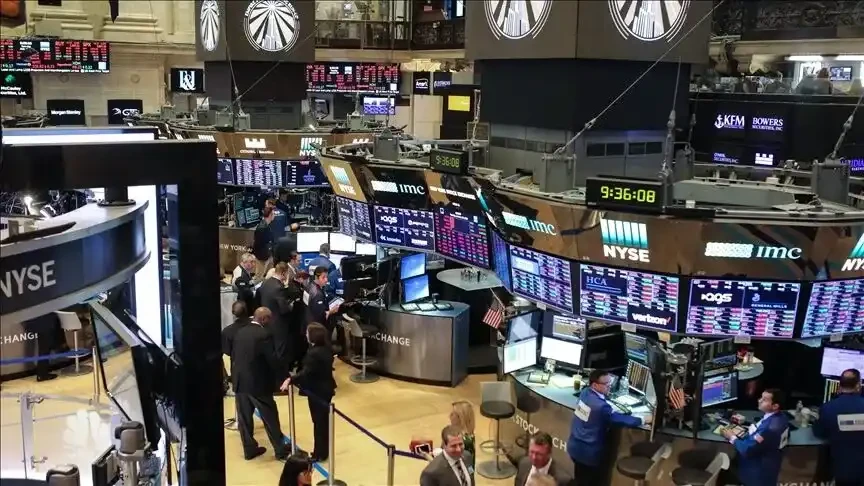
US Stocks Rally After Weak Jobs Report
US stocks finished Friday's session sharply higher as investors responded to fresh employment data that pointed to a cooling labor market.
The Dow Jones Industrial Average rose 250.40 points, or 0.49%, to 51,176.96, while the Nasdaq Composite climbed 319.27 points, or 1.19%, to 27,190.86.
The S&P 500 also advanced, gaining 0.73% to 7,722.72. The Nasdaq's gain was particularly strong, with technology stocks helping lead the broader market rebound.
The market reaction came after the September employment report showed the US economy added far fewer jobs than economists had expected.
September Jobs Growth Comes in Well Below Expectations
The US economy added just 29,000 nonfarm jobs in September, compared with economists' expectations of around 90,000.
The latest figure followed downward revisions to employment gains in previous months. The unemployment rate also increased to 4.2%.
For investors, the weaker labor-market data had an important implication: it reduced the immediate pressure on the Federal Reserve to raise interest rates.
Markets subsequently scaled back expectations for another rate increase at the Fed's October meeting. Reuters reported that the probability of a 25-basis-point hike fell to around 22.7% following the employment report.
Treasury Yields Retreat, Supporting Technology Stocks
US Treasury yields initially declined after the jobs figures were released.
The benchmark 10-year Treasury yield fell by roughly five basis points to around 5.17%, while the two-year yield also moved lower.
Lower bond yields can provide support to growth and technology companies because the future earnings of these businesses are particularly sensitive to changes in interest rates.
That helped technology shares outperform the broader market, with major technology and semiconductor names among the notable gainers during Friday's session.
The Nasdaq, which has a high concentration of technology and growth companies, consequently posted the strongest gain among the three major US indexes.
Nvidia and Other Technology Stocks Lead Gains
Technology stocks were among the biggest beneficiaries of Friday's shift in rate expectations.
Nvidia, AMD, Tesla and other major technology-related companies advanced during the session. Nvidia in particular reached a record level during trading, contributing to the strength in the Nasdaq.
The broader technology sector also benefited from renewed investor interest in growth stocks as concerns about another immediate rate increase eased.
However, the move was not uniform across individual companies.
Nike was among the notable decliners after the sportswear company issued a weak revenue outlook and announced restructuring measures. Its shares fell around 3.6% by the close.
Oil Prices Also Remain in Focus
Oil prices were another factor influencing market sentiment.
Crude prices eased during Friday's trading, helping reduce some concerns about inflationary pressure. Earlier in the session, Brent crude had moved below the $100-a-barrel level amid reports concerning possible releases of strategic fuel reserves in Europe.
Lower oil prices can be supportive for markets because energy costs feed into inflation expectations and business expenses.
However, oil later recovered some of its losses, while Treasury yields also moved higher from their initial post-jobs-report lows.
What the Jobs Data Means for the Federal Reserve
The employment report has added another layer of uncertainty to the Federal Reserve's upcoming policy decision.
A weaker labor market can strengthen the argument for keeping interest rates unchanged or eventually reducing them, particularly if slower hiring is accompanied by easing inflation.
At the same time, investors must balance weak employment data against persistent inflation and elevated Treasury yields.
Friday's market reaction therefore reflected changing expectations rather than a definitive shift in Federal Reserve policy.
Wall Street Ends a Volatile Week Higher
Despite Friday's rally, the major indexes did not all finish the week in positive territory.
The Dow and S&P 500 recorded weekly declines, while the Nasdaq managed to finish the week higher. According to AP, the Dow fell about 1.3% for the week and the S&P 500 declined around 0.3%, while the Nasdaq gained approximately 0.5%.
The performance highlights how sensitive markets remain to changes in interest-rate expectations, Treasury yields, inflation and economic growth.
US Stock Market: Key Numbers
| Index | October 2, 2026 Close | Daily Change |
|---|---|---|
| Dow Jones Industrial Average | 51,176.96 | +250.40 (+0.49%) |
| Nasdaq Composite | 27,190.86 | +319.27 (+1.19%) |
| S&P 500 | 7,722.72 | +56.27 (+0.73%) |
| Russell 2000 | 2,832.90 | +0.9% |
Source: Reuters/AP market reports.
What Investors Will Watch Next
With the September jobs report now released, attention will turn toward the Federal Reserve's upcoming policy decision and additional inflation and economic indicators.
Investors will also continue watching Treasury yields, oil prices, corporate earnings and technology-sector performance.
For now, Friday's rally demonstrated how quickly Wall Street can respond when economic data changes expectations about interest rates. The weak jobs report provided temporary relief to rate-sensitive stocks, helping the Nasdaq outperform the Dow and S&P 500.