
SEBI Revises CAS Rules, Restores 30-Minute VWAP for F&O Expiry Settlement

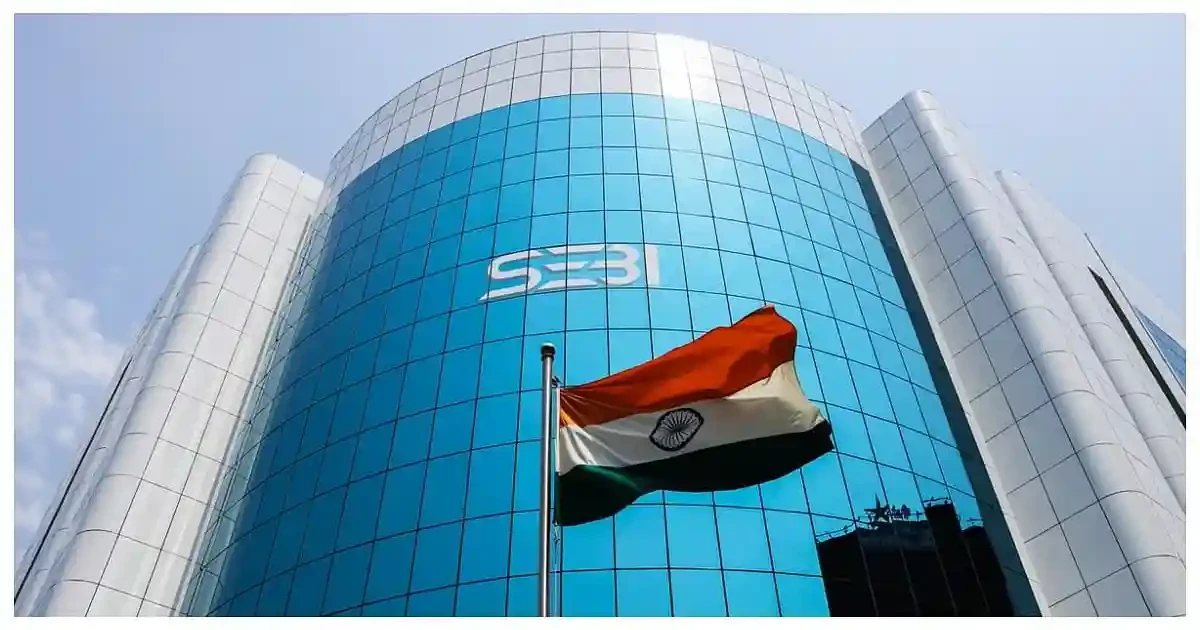
SEBI Changes Closing Auction Session Rules
The Securities and Exchange Board of India (SEBI) has revised the Closing Auction Session (CAS) framework for the Indian stock market, introducing changes to closing-session timings, order handling and the settlement methodology for futures and options (F&O) contracts.
Announced on October 15, the revised framework follows a review of the existing system, feedback from market participants and recommendations from SEBI’s Secondary Market Advisory Committee. The changes aim to improve price discovery, transparency and the orderly functioning of the equity cash and derivatives markets.
One of the most significant changes is the restoration of the volume-weighted average price (VWAP) of the final 30 minutes of regular trading as the basis for calculating settlement prices for expiring stock and index derivatives.
The revised framework is scheduled to take effect primarily from December 7, 2026. Certain provisions governing the transfer of unexecuted limit and iceberg orders into the closing auction will come into force on February 8, 2027.
What Is the Closing Auction Session (CAS)?
The Closing Auction Session is a mechanism used to determine the official closing prices of securities through an auction-based process. SEBI introduced the framework in the equity cash market from August 3, 2026, with the aim of improving transparency and price discovery near the end of the trading day.
However, the new mechanism raised concerns among market participants about sharp price movements and the impact of auction-determined closing prices on derivatives expiry settlement.
Under the revised rules, the CAS will operate for 10 minutes, from 3:30 pm to 3:40 pm, on trading days. The session will include a reference-price calculation and order-transition phase, followed by designated windows for entering market and limit orders.
The order-entry window will close randomly between 3:38 pm and 3:40 pm, according to the revised framework.
SEBI Restores the 30-Minute VWAP Method for F&O Settlement
The return to the earlier VWAP-based approach is a key feature of the revised SEBI rules.
Under the new methodology:
- Index derivatives: Settlement prices on expiry days will be based on the underlying index value calculated using the VWAP of its constituent stocks during the final 30 minutes of continuous trading in the equity cash market.
- Stock derivatives: Settlement prices will use the VWAP of the underlying stock during the final 30 minutes of the cash-market session across stock exchanges.
- Indicative values: Exchanges will disseminate relevant VWAPs and indicative index values during the calculation period to improve transparency for market participants.
VWAP measures the average price of a security over a specified period, weighted by the volume traded at different prices. Using the final 30 minutes of regular trading provides a reference based on actual transactions before the closing auction.
The change is particularly relevant to F&O traders because the settlement price determines the final value used to settle contracts that expire that day. The revised method is intended to reduce uncertainty associated with relying solely on auction-determined closing prices.
Revised Stock Market Trading Timings
The updated framework also clarifies when different market segments will stop trading.
| Market activity | Revised timing |
|---|---|
| Closing Auction Session | 3:30 pm–3:40 pm |
| Index derivatives on regular days | Trading continues until 3:45 pm |
| Expiring index derivatives | Trading ends at 3:30 pm |
| Stock derivatives, including expiry days | Trading continues until 3:45 pm |
| Cash-market post-close session | 3:50 pm–4:00 pm |
These timings are important for intraday traders, brokers and investors who trade near market close or hold positions in derivatives contracts approaching expiry.
SEBI has also clarified how unexecuted orders will move from the continuous trading session into the auction. Eligible pending limit orders may be carried forward, subject to specified exclusions and price bands. Certain eligible iceberg orders will be converted into fully disclosed limit orders unless the trader opts out under the applicable rules.
BSE, NSE, Nuvama Wealth and Brokerage Stocks in Focus
The regulatory announcement put capital-market companies and stock exchanges in focus. Shares associated with the exchange, broking and investment-management ecosystem—including BSE, NSE, Angel One, Nuvama Wealth Management, HDFC AMC, ICICI Prudential AMC and Groww—were among the stocks being watched by investors.
Market participants will assess whether the revised rules improve trading conditions, reduce uncertainty around expiry settlements and support activity in the derivatives market. The actual effect on trading volumes and company earnings, however, will depend on how traders adapt to the new framework and how market activity develops.
When Will the New SEBI CAS Rules Apply?
Most changes to the Closing Auction Session framework will take effect on December 7, 2026. The provisions relating to the transition of eligible unexecuted limit and iceberg orders from continuous trading into the auction are scheduled for February 8, 2027.
Stock exchanges and clearing corporations have been directed to update their procedures and systems to implement the revised rules.
For investors, the key takeaway is to understand the updated expiry settlement methodology and market timings before placing trades near the close or managing expiring F&O positions.
SEBI’s revised CAS framework restores the final 30-minute VWAP method for derivatives expiry settlement and establishes a new 10-minute closing auction. The changes are intended to make closing-price discovery and settlement more transparent, although their full impact on volatility and trading activity will become clearer after implementation.