
Rupee Rebounds to ₹94.80 Against Dollar as RBI Steps Up Currency Defence

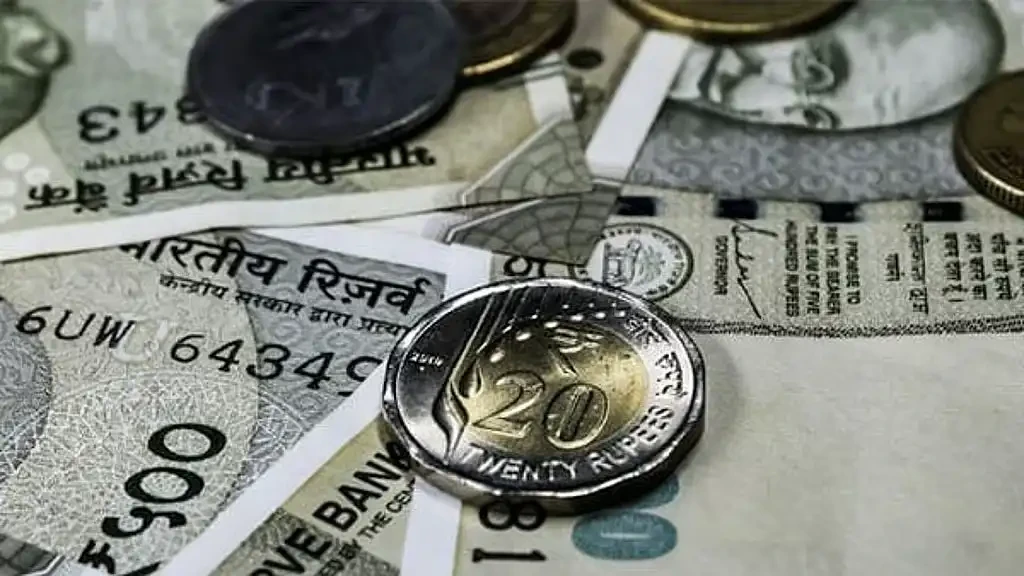
Indian Rupee Gains Against US Dollar as RBI Intervention Supports Recovery
The Indian rupee strengthened against the US dollar on Monday, extending its recent recovery as intervention by the Reserve Bank of India (RBI) helped support the domestic currency despite persistent pressure from elevated crude oil prices and foreign capital outflows.
The rupee opened approximately 9 paise higher at ₹94.87 per dollar, while it later traded around ₹94.80, according to market reports. The currency had closed at ₹94.96 on Friday, October 16, after recording its strongest weekly performance in several years.
The improvement comes after the rupee approached record-low levels near ₹97 per dollar earlier in the recent period. The RBI has introduced several measures to reduce speculative pressure and improve stability in the foreign exchange market.
However, currency traders remain cautious. With international oil prices elevated and overseas investors withdrawing funds from Indian equities, the rupee's recovery could face fresh challenges in the coming sessions.
Why Is the Indian Rupee Strengthening?
The recent recovery has been supported by the RBI's efforts to stabilise the foreign exchange market.
The central bank has increased its intervention in currency trading, including dollar sales intended to limit excessive weakness in the rupee. It has also introduced measures affecting currency derivatives and the cost of hedging foreign exchange exposure.
These steps are designed to discourage speculative positions against the rupee and reduce abrupt movements in the exchange rate.
The RBI has also established a dollar supply window for state-run oil marketing companies, helping them obtain foreign currency for their import requirements without relying entirely on the spot market. This can reduce some immediate demand pressure on the rupee.
The currency's movement around ₹95 per dollar has become an important focus for traders, although this should not be interpreted as an officially announced RBI exchange-rate target.
Despite the improvement, analysts caution that policy intervention alone may not deliver a sustained recovery unless broader economic conditions, including oil prices and capital flows, become more supportive.
Crude Oil Prices Remain a Major Risk
International crude oil prices remain one of the biggest factors influencing the Indian rupee.
India imports a substantial proportion of its crude oil requirements, meaning higher oil prices increase the country's import bill and demand for US dollars. This can place downward pressure on the rupee and contribute to inflation.
Brent crude briefly moved above $110 per barrel during the previous trading session before retreating to approximately $108 on Monday.
The recent decline followed a US policy move easing certain restrictions affecting Russian energy supplies, raising the possibility of additional fuel reaching international markets. Nevertheless, geopolitical tensions and uncertainty around global energy shipments continue to pose risks.
If crude prices remain elevated or rise again, India's import costs could increase, complicating the RBI's efforts to stabilise the currency.
Lower oil prices, by contrast, could help reduce pressure on the current account, moderate inflation and support the rupee—provided other market conditions remain favourable.
Foreign Investor Outflows Add to Currency Pressure
Foreign portfolio investment is another important factor shaping the rupee's outlook.
When overseas investors sell Indian equities and transfer the proceeds abroad, demand for dollars can increase, placing additional pressure on the domestic currency.
Foreign portfolio investors have withdrawn substantial amounts from Indian equities during October amid concerns about global economic conditions, energy prices and the outlook for interest rates.
Such outflows can affect both the stock market and the foreign exchange market. A weaker rupee may also reduce the dollar-denominated returns of overseas investors holding Indian assets, potentially influencing future investment decisions.
The RBI's intervention can smooth short-term currency movements, but persistent capital outflows may continue to challenge the rupee's recovery.
Investors are therefore monitoring foreign fund flows alongside crude oil prices, US Treasury yields and the broader direction of the US dollar.
Could RBI Raise Interest Rates to Support the Rupee?
The outlook for interest rates has also become an important consideration for currency and bond traders.
Higher interest rates can sometimes support a currency by improving the relative returns available to investors. However, rate increases also raise borrowing costs for businesses and households and can affect economic growth.
Market participants are assessing whether persistent inflationary pressure, a weaker currency and elevated energy prices could lead to further monetary tightening.
India's government bond market has already faced pressure as yields have risen amid concerns about inflation and liquidity conditions. The yield on the benchmark 10-year government bond has moved higher, reflecting changing expectations about monetary policy.
Any future RBI decision will depend on a range of factors, including inflation, economic growth, liquidity and financial stability. A rate hike is not guaranteed simply because the rupee remains under pressure.
What Is the Outlook for the Rupee?
In the near term, the rupee is likely to remain sensitive to RBI intervention, global oil prices, foreign investment flows and movements in the US dollar.
A sustained decline in crude prices and improved foreign capital inflows could provide further support. Conversely, renewed energy-market disruption or continued overseas selling could limit the currency's gains.
Traders are watching the ₹95-per-dollar area closely, but exchange-rate levels can change quickly as new economic data and policy developments emerge.
For businesses importing oil, electronics and other commodities, currency movements can directly affect costs. Exporters, meanwhile, may benefit from a weaker rupee in some circumstances, although the outcome depends on their import expenses and currency exposure.
For consumers, the rupee's performance matters because sustained weakness can increase the cost of imported goods and contribute to inflation.
Bottom line: The Indian rupee's recovery reflects stronger central-bank support and a temporary easing in oil prices, but the outlook remains uncertain. Whether the currency can maintain its gains will depend on global energy conditions, foreign investment flows and the effectiveness of RBI measures.
Market figures are time-sensitive and reflect information available on October 19, 2026. This article is for informational purposes only and is not investment advice.