
Trump’s Russian Diesel Deal Faces Legal Challenge as Seven US Senators Warn of Sanctions Violation

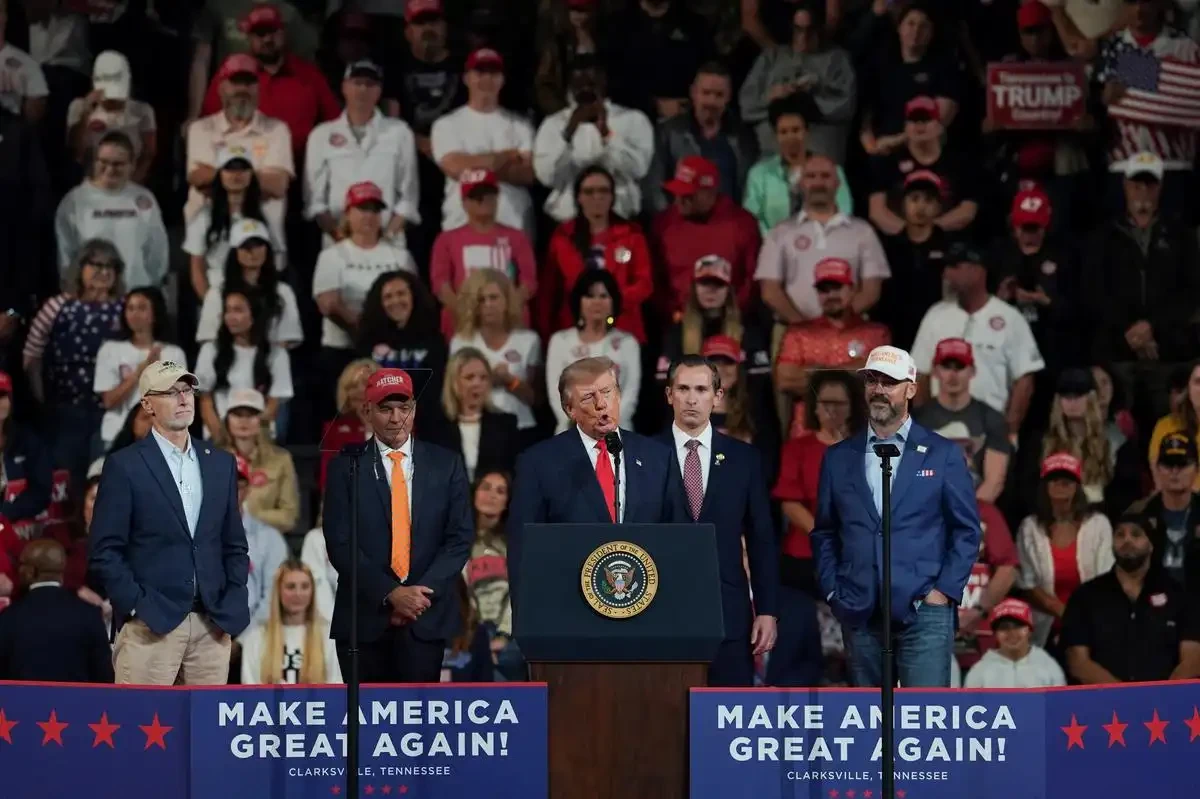
US President Donald Trump’s controversial decision to allow Russian diesel imports has triggered a bipartisan political and legal dispute, with seven Republican and Democratic senators questioning whether the agreement complies with American sanctions law.
The lawmakers have urged the Trump administration to reverse the decision, arguing that importing Russian energy could undermine Washington’s efforts to restrict Moscow’s financial resources amid its ongoing war against Ukraine.
The controversy follows Trump’s announcement of an agreement with Russian President Vladimir Putin on October 9 to facilitate the immediate supply of 300,000 tonnes of diesel to the United States and global markets.
US Senators Challenge Trump’s Russia Oil Policy
The bipartisan group includes Democratic senators Jeanne Shaheen, Richard Blumenthal and Ron Wyden, alongside Republicans Susan Collins, Lisa Murkowski, Thom Tillis and John Curtis.
In a joint statement, the senators argued that Congress had prohibited Russian energy imports in 2022 to prevent American payments from supporting Russia’s military campaign in Ukraine. They contend that the latest decision conflicts with the law’s intent and could weaken the effectiveness of existing economic sanctions.
The lawmakers also questioned the administration’s decision-making process, alleging that officials had neither consulted Congress nor provided the statutory explanation they believe is required to justify the move.
Their objections highlight growing divisions within the US political establishment over the balance between energy security, fuel prices and Washington’s strategy towards Russia.
White House Defends Russian Diesel Agreement
US Treasury Secretary Scott Bessent defended the administration’s approach, maintaining that the agreement would be implemented using the legal authorities available to the government.
Trump’s decision comes amid concerns over rising fuel costs and pressure to improve energy supplies. The administration’s approach appears intended to increase the availability of diesel, although the extent to which additional Russian supplies will reduce prices remains uncertain.
Critics, however, warn that easing restrictions on Russian energy could provide Moscow with additional revenue while the war in Ukraine continues. The disagreement has therefore expanded beyond fuel imports into a broader debate about US foreign policy, congressional oversight and the enforcement of sanctions.
What the Dispute Means for Global Oil Markets
The controversy could have implications for international energy trade, US relations with European allies and the wider sanctions regime against Russia. Any changes to restrictions on Russian petroleum products could influence trading routes, market expectations and the calculations of countries importing energy from Moscow.
For India, the development is also worth watching because US sanctions policy towards Russian energy has implications for international trade and diplomatic relations. However, the exact impact will depend on how the agreement is implemented and whether it changes existing restrictions more broadly.
For now, the legality of Trump’s Russian diesel deal remains contested rather than judicially established. The central question is whether the administration can lawfully authorise the imports under existing legislation and what role Congress must play in that decision.
As bipartisan opposition grows, the dispute could become a significant test of presidential authority over energy policy and sanctions enforcement, with consequences extending beyond Washington to the global oil market and international relations.