
Trump Names Jay Clayton White House AI Czar: What the Role Means for US AI Policy

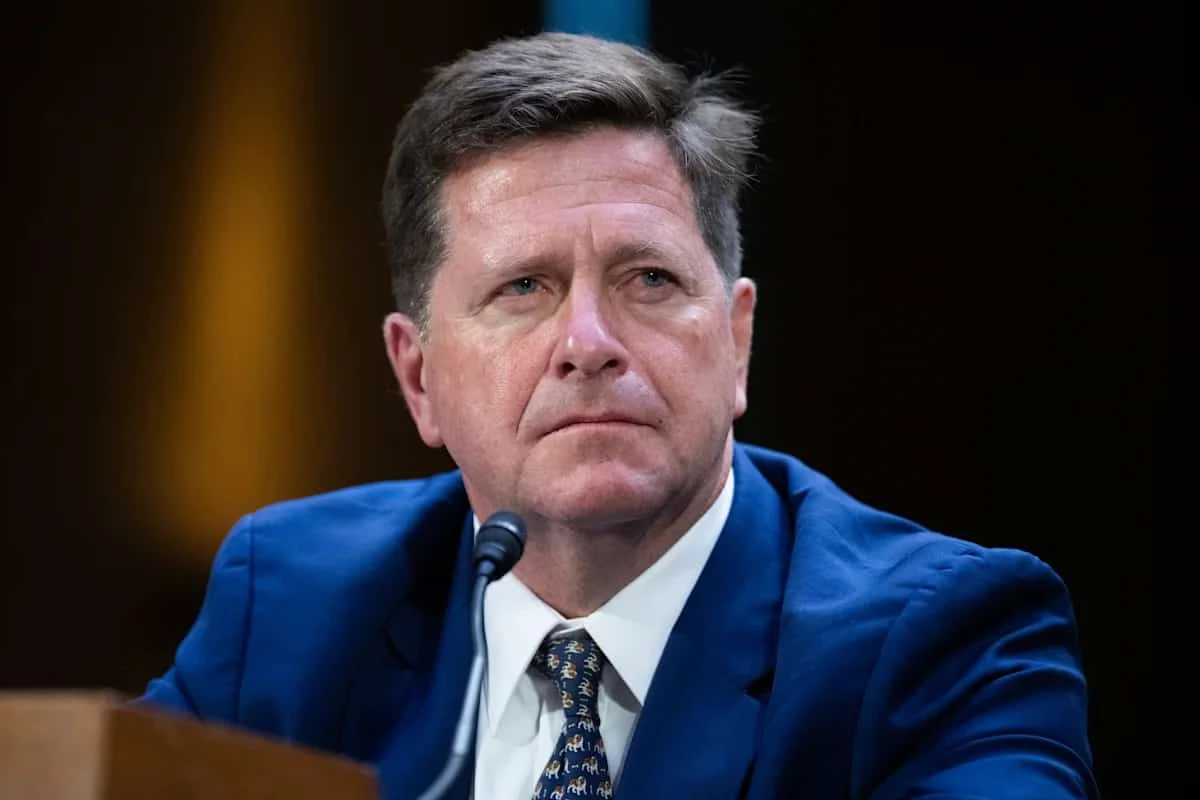
Trump Names Jay Clayton as White House AI Czar
President Donald Trump has named Jay Clayton, the director of national intelligence, as the White House's new czar for artificial intelligence, according to AP's list of top stories on 6 October. Earlier reports from CBS News, CNN and Axios said Clayton was expected to take the role while keeping his intelligence post.
What Was Reported Before the Announcement
CBS News reported on 1 October, citing sources, that Clayton was likely to be picked, and that the plan under discussion would let him remain director of national intelligence (DNI). The White House did not confirm the reports at the time and said any personnel announcement would come from the president himself.
Trump had said last month that he planned to create an "AI Force" and name an AI czar, posting that "only high I.Q. individuals need apply." He later described the AI Force to Time magazine as a group of smart people who would advise him. The White House has not detailed what the group will do.
Who Is Jay Clayton?
Clayton was confirmed as director of national intelligence by the Senate on a 51 to 47 vote. He previously served as the U.S. attorney for the Southern District of New York and, during most of Trump's first term, as chair of the Securities and Exchange Commission. He took over as DNI after Tulsi Gabbard resigned in May, following a short stint by Bill Pulte as acting director, according to CNN and Axios.
At his confirmation hearing, Clayton described AI as a "game changer" and as "not only an opportunity but a threat." After a White House lunch with technology leaders, he told CNBC that superintelligence is a national security issue.
Why the Appointment Matters
Pairing the AI role with the intelligence post signals that the administration is treating AI largely as a national security matter. Supporters see this as a sign that the government's approach to AI is maturing; one analyst at the Trump-aligned America First Policy Institute used that description. Critics and observers have questioned the dual role and noted that the czar's legal authority, staffing and budget have not been defined.
The move follows a White House meeting on 29 September at which AI company leaders signed a voluntary commitment to better police their own models. Trump has called the agreement "morally binding." Some lawmakers want legally binding guardrails, while Trump has expressed scepticism about tighter regulation, arguing that slowing development could help Chinese AI labs.
Anthropic CEO Dario Amodei and OpenAI CEO Sam Altman have backed the idea of "pacing the frontier" of AI development to manage risks, according to CBS News.
Previous Czar
Venture capitalist David Sacks served as Trump's AI and cryptocurrency czar until March 2026, when he stepped down after reaching his limit as a special government employee.
What to Watch
- Whether the White House publishes the czar's formal powers and staffing.
- How the AI Force is structured and how it works with Clayton.
- Whether Congress moves on binding AI rules.
- How industry responds to the voluntary safety commitments.
This story is developing. Details come from CBS News, CNN, Axios, AP and other reports, and may change as the White House provides more information.