
Trump Defends Russia Diesel Deal as Ukraine Reports Fresh Strikes Despite Energy Ceasefire

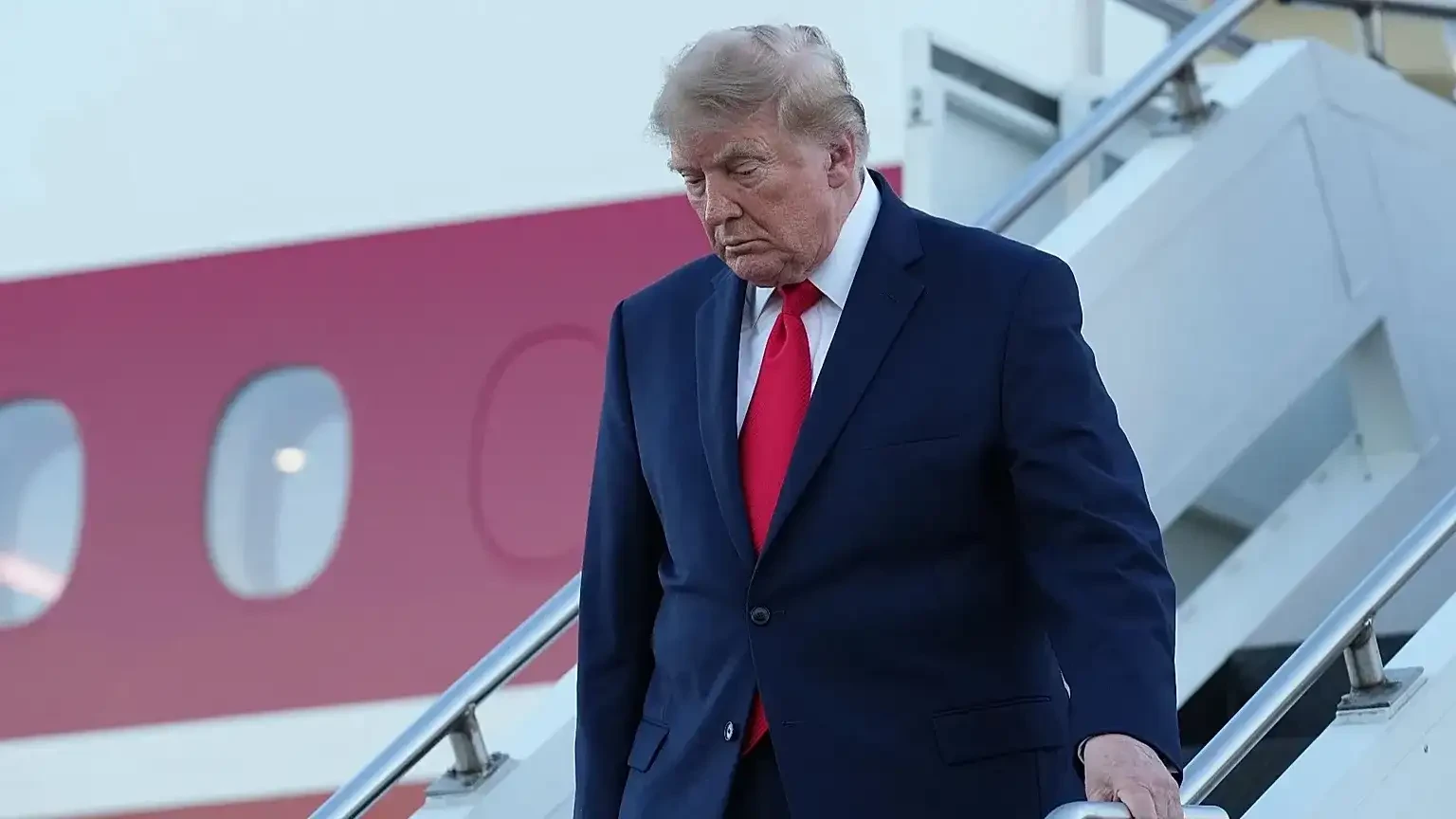
Trump Stands by Russian Diesel Deal Amid Political Backlash
US President Donald Trump has defended his controversial decision to allow Russian diesel supplies, declaring that he made the right choice for the American people despite criticism from lawmakers and international allies. The decision has triggered a political dispute in Washington, with critics warning that easing restrictions on Russian energy could provide Moscow with additional revenue while its war against Ukraine continues.
In a post on his Truth Social platform, Trump argued that the European Union had previously spent substantial sums importing Russian energy and accused media outlets of overlooking those purchases. His defence comes as the administration faces pressure to address high fuel prices and concerns about energy supply.
According to NDTV, a bipartisan group of six US senators has urged the administration to reverse the decision, arguing that renewed Russian diesel sales could financially benefit Russian President Vladimir Putin. Republican lawmakers have also expressed concern that relaxing sanctions could undermine efforts to pressure Moscow over its invasion of Ukraine.
Ukraine Reports New Russian Strikes After Ceasefire Announcement
The controversy has intensified after Trump insisted that Russia and Ukraine had agreed to stop attacks on each other's energy infrastructure. Ukrainian President Volodymyr Zelenskyy, however, reported fresh Russian strikes on energy facilities following the announcement.
According to Al Jazeera, Zelenskyy said Russia had attacked at least six Ukrainian energy facilities, while also reporting casualties from attacks across the country. He maintained that Ukraine was prepared to support an energy ceasefire but questioned whether Moscow was willing to respect it.
Trump acknowledged reports of possible violations but continued to insist that an agreement existed. The announcement had surprised Kyiv and European allies, with uncertainty remaining over the precise terms and enforcement of the proposed truce.
Russian Foreign Minister Sergey Lavrov, meanwhile, signalled that Moscow intended to continue its military campaign, further clouding prospects for a sustained pause in attacks.
Energy Policy, Sanctions and Global Fuel Prices
Trump's decision reflects the growing pressure on his administration to stabilise fuel prices ahead of the US midterm elections scheduled for November 3. The administration has presented the Russian diesel arrangement as a step towards improving supply and easing costs for American consumers and businesses.
However, critics argue that the policy risks weakening Western sanctions against Russia. European officials have also questioned the move, warning that Russian energy revenues could help sustain Moscow's military campaign.
The developments highlight the difficult balance between domestic energy affordability and international security. Even if additional diesel supplies become available, their effect on prices will depend on global demand, supply disruptions and the wider geopolitical situation.
What Happens Next?
The immediate questions are whether Russia and Ukraine will observe the proposed energy truce and whether Washington will maintain its temporary easing of Russian diesel restrictions. Continued attacks on energy infrastructure could undermine confidence in the ceasefire and prolong uncertainty across energy markets.
For now, Trump's defence of the diesel deal and Ukraine's reports of fresh strikes reveal the gap between diplomatic announcements and conditions on the ground. The coming days will be crucial in determining whether the initiative can reduce attacks or whether tensions between Russia, Ukraine and their international partners will deepen further.