
Super El Niño Philippines 2026-27: Drought, Extreme Heat and Food Supply Risks Explained

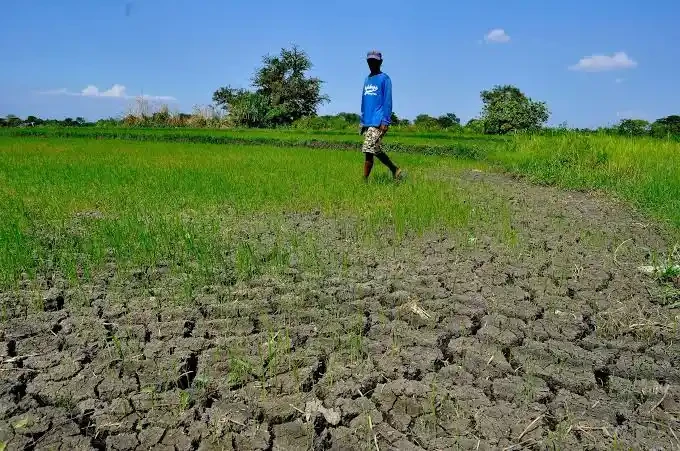
Super El Niño Threatens Philippines: Nationwide Drought, Extreme Heat and Food Supply Risks by 2027
Philippines Braces for a Strong El Niño
The Philippines is stepping up preparations for what authorities describe as a potentially very strong El Niño, with the climate phenomenon expected to persist into the first half of 2027.
According to DOST-PAGASA, a strong El Niño is already active in the tropical Pacific and is expected to intensify between September and December 2026. The agency has warned that prolonged rainfall deficits could create dry spells, drought, water shortages and agricultural losses across the country.
The situation could become particularly serious in the coming months. DOST Secretary Renato Solidum Jr. said all provinces in the Philippines could experience drought by March 2027 if current conditions develop as forecast.
Extreme Heat Raises Health Concerns
The Department of Health (DOH) has warned Filipinos to prepare for increased risks from extreme heat as rainfall becomes less frequent.
Health authorities are particularly concerned about heat exhaustion, dehydration and heat stroke, while prolonged heat could also worsen cardiovascular and other noncommunicable health conditions.
The DOH is urging people to stay hydrated, reduce strenuous outdoor activity during the hottest parts of the day and avoid prolonged exposure to direct sunlight.
People experiencing symptoms such as severe weakness, dizziness, excessive sweating, muscle cramps or fainting should seek medical attention. More serious symptoms, including confusion, loss of consciousness or extremely high body temperature, can indicate heat stroke and require urgent care.
Government Says Food Supplies Are Sufficient
Despite concerns over drought and agricultural production, the Department of Agriculture (DA) says the country currently has sufficient food reserves to manage the initial impact of El Niño.
Agriculture Secretary Francisco Tiu Laurel Jr. said the Philippines has roughly 75 days of rice supply, 125 days of chicken, 170 days of pork and 90 days of corn in available buffers.
The government is also preparing additional interventions to keep agricultural production running in areas where water remains available. These include solar irrigation systems, solar pumps, solar aerators, additional fertilizers, seeds and other agricultural assistance.
The government has also directed the National Food Authority to strengthen rice procurement and storage capacity in an effort to increase the country's rice buffer stock.
Farmers and Fisherfolk Face Growing Risks
Agriculture is expected to be among the sectors most exposed to the prolonged dry conditions.
The government is preparing assistance for farmers and fisherfolk who may be unable to plant or maintain normal operations because of water shortages.
Officials are also considering temporary employment support for affected agricultural workers, while farmers in areas where planting remains possible could receive assistance for fuel, fertilizer, transportation and seeds. Cloud seeding is another measure being considered to increase rainfall over agricultural areas when conditions permit.
The scale of the challenge is already significant. The NDRRMC has reported more than 388,000 people affected, while agricultural damage and production losses have reached billions of pesos in several regions.
Water Conservation Becomes Critical
With drought conditions expected to spread, authorities are urging households, businesses and local governments to conserve water.
PAGASA has warned that El Niño does not mean that every part of the country will experience completely dry weather at all times. Localized heavy rainfall can still occur because of tropical cyclones and the Southwest Monsoon.
However, the broader pattern is expected to feature below-normal rainfall and increasing water stress, making early preparation particularly important.
What Happens Next?
The Philippine government is now focusing on early intervention rather than waiting for drought conditions to reach their peak.
Health agencies are preparing communities for extreme heat, while agricultural authorities are protecting food production and strengthening supply buffers.
PAGASA will continue monitoring the development of El Niño as the country moves toward the end of 2026 and into 2027.
If the current forecasts hold, the biggest challenge could arrive during the early months of 2027, when drought conditions are expected to become widespread.
For millions of Filipinos, the coming months will therefore be a test of water conservation, food security, agricultural resilience and public-health preparedness.