
Netanyahu Reportedly Pushes Trump for Fresh Iran Strikes Ahead of Elections as War Fears Grow

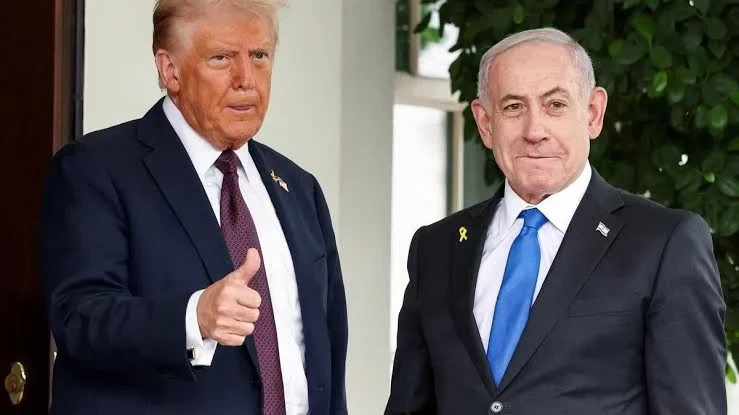
Concerns over a possible resumption of the US-Israel military campaign against Iran have intensified following reports that Israeli Prime Minister Benjamin Netanyahu pressed US President Donald Trump to consider renewed attacks before crucial elections in both countries.
According to reports citing officials familiar with the discussions, Netanyahu raised concerns about Iran’s efforts to rebuild its nuclear capabilities and discussed the possibility of a fresh joint military operation with Trump. The reported conversations have fuelled speculation about whether Washington and Jerusalem could resume hostilities despite the diplomatic and political risks involved.
The developments come as Israel prepares for its October 27 parliamentary election, followed by the US midterm elections on November 3. With military preparations reportedly continuing, the prospect of renewed strikes has raised questions about regional stability, energy security and the future of negotiations with Tehran.
Why Is Netanyahu Reportedly Seeking Fresh Strikes on Iran?
The central concern cited in the reported discussions is Iran’s nuclear programme. Israeli officials have repeatedly warned that Tehran could rebuild strategic capabilities damaged during earlier military operations.
According to the reports, Netanyahu expressed concern about intelligence assessments suggesting that Iran was taking steps to restore parts of its nuclear infrastructure. The Israeli leadership reportedly views these developments as a potential security threat that could require further military action.
However, the reported push for renewed strikes has not been publicly confirmed as an agreed military decision. Netanyahu’s office has denied that the prime minister is attempting to initiate another war ahead of the elections, while Israeli security officials have reportedly indicated that there has been no major change in their assessment that would independently justify an immediate operation.
The distinction is significant: discussions about military options do not necessarily mean that an attack has been authorised or that a final decision has been made.
Trump’s Iran War Dilemma: Attack or Continue Negotiations?
Trump faces a difficult strategic choice between renewed military action and continued diplomatic engagement with Iran.
The US president has indicated that Washington is pursuing discussions aimed at resolving the conflict. He has also publicly stated that the United States will not resume attacks against Iran before the November midterm elections, even as he has suggested that a decision on Iran could come soon.
Reports of private conversations with Netanyahu, however, indicate that military options have remained under consideration. Sources cited in Israeli media said US and Israeli forces were maintaining a high level of readiness in case the political decision changes.
The White House has not publicly confirmed an agreement to launch another offensive, and reports of private discussions should not be interpreted as evidence that a new attack is imminent.
For Trump, renewed strikes could intensify regional instability, put American personnel at risk and create further uncertainty in global energy markets. Continuing negotiations, meanwhile, could offer a route towards de-escalation but would require progress on the unresolved security issues between Washington and Tehran.
Israel’s Election Adds a Political Dimension
The timing of the reported discussions has raised questions about the relationship between military strategy and domestic politics.
Netanyahu faces a closely watched election on October 27, while Trump’s administration is approaching the November 3 US midterm elections. Any renewed military campaign could influence public opinion, national security debates and the political fortunes of leaders in both countries.
Critics have questioned whether escalating tensions could provide political advantages to leaders seeking to project strength on security matters. Netanyahu’s office has rejected the claim that he is seeking to start a war for electoral reasons.
Israeli military leadership has also reportedly expressed concern that a renewed conflict could have domestic consequences, including the possibility of disrupting the electoral timetable.
Nevertheless, the reported discussions have intensified scrutiny of how decisions involving national security, military preparedness and election campaigns intersect during periods of international crisis.
Iran Strengthens Defences Amid Fears of Another War
Iran has reportedly been strengthening security measures around strategic and nuclear-related facilities as concerns about possible US-Israeli attacks grow.
Reports have also pointed to efforts to rebuild parts of the country’s missile capabilities following earlier military damage. Such preparations could be intended to deter another offensive, improve Iran’s capacity to retaliate or demonstrate that the country remains capable of defending itself.
Tehran has consistently rejected external pressure over its nuclear programme and has warned that further military action could trigger a wider confrontation. Any new US-Israel operation could therefore provoke retaliation against Israeli territory, American military installations or other strategic interests in the region.
The possibility of renewed fighting has heightened concerns among neighbouring countries, particularly those exposed to missile threats, disruptions to maritime traffic or instability in the Persian Gulf.
Global Oil Prices and Middle East Security at Risk
A renewed US-Iran conflict could have consequences far beyond the immediate battlefield. One of the most significant concerns is the Strait of Hormuz, a critical maritime passage through which a substantial share of the world's seaborne oil trade moves.
Any escalation affecting shipping routes or regional energy infrastructure could disrupt supplies, increase transport costs and put upward pressure on international oil prices. Such developments would be particularly important for energy-importing countries, including India, where changes in crude oil prices can affect fuel costs, inflation and the wider economy.
Regional aviation, international trade and investor confidence could also face renewed pressure if hostilities resume.
For now, the situation remains uncertain. Washington has publicly signalled a preference against launching attacks before the US midterms, while reports indicate that military options remain under discussion. Netanyahu’s office has rejected allegations that he is seeking a war for electoral advantage.
Whether diplomacy can prevent another round of fighting will depend on decisions by Washington and Jerusalem, Iran’s response to the latest pressure and the prospects for a negotiated settlement. Until a formal decision is announced, the possibility of renewed strikes remains a serious concern rather than a confirmed military plan.