
Middle East Oil Exports Rebound as Strait of Hormuz Risks Rise Again

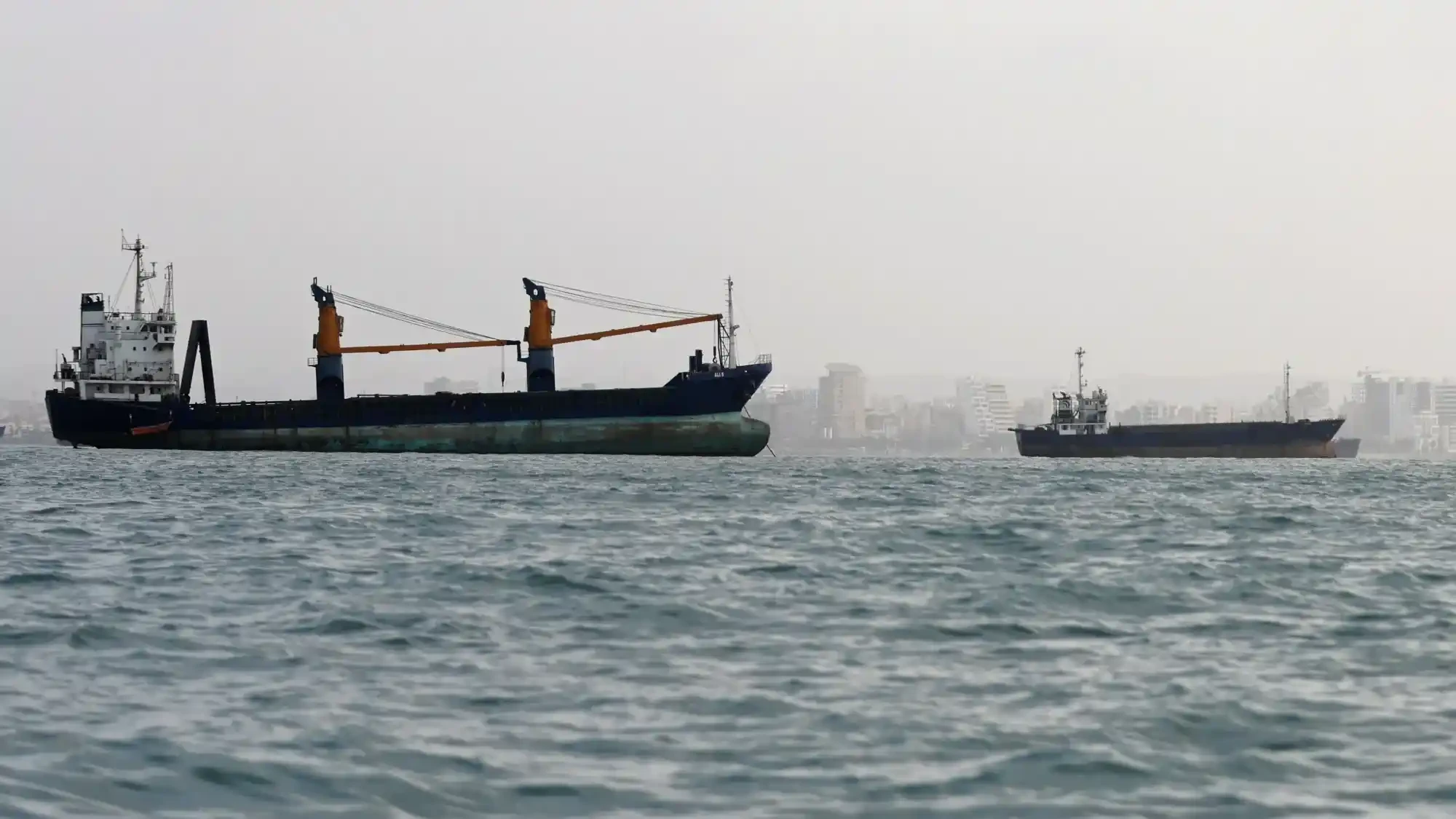
Oil Prices Remain Above $100
Despite the latest security concerns, oil prices have been moving in both directions as traders weigh two competing forces.
On one side, rising Middle East crude exports and the planned release of emergency oil stocks by G7 nations are adding supply to the market.
On the other, continued attacks on ships, threats to Gulf infrastructure and the possibility of further escalation around Iran are creating a significant geopolitical risk premium.
Reuters reported that the G7 has agreed to release 100 million barrels of diesel and crude from emergency reserves, while seven major oil-producing countries agreed to maintain current production levels through November.
Iran's Influence Over Hormuz Is Under Pressure
The latest developments also point to an important change in the strategic situation around the Strait of Hormuz.
Iran had attempted to use control over shipping through the waterway as leverage during the wider conflict. However, Gulf producers have increasingly adapted by using alternative routes, ship-to-ship transfers and protected shipping arrangements.
That has allowed a substantial amount of crude to continue reaching international markets.
Still, the increased cost of moving oil means that high export volumes should not be mistaken for a return to normal conditions.
What the Oil Market Is Watching Now
The biggest question for global energy markets is whether the recent recovery in Middle East oil exports can continue.
If tanker attacks remain limited and alternative routes remain operational, global crude supplies could stay relatively resilient. However, a major attack on Saudi production facilities, a prolonged closure of the Strait of Hormuz or a wider escalation involving Iran could quickly reverse the recovery.
For consumers, the consequences could extend beyond petrol and diesel. Higher crude prices can increase transportation, manufacturing and food costs while adding pressure to inflation.
Global Oil Supply Faces a Fragile Recovery
The latest data presents a complicated picture for the global oil market.
Middle East exports have recovered strongly, demonstrating that producers can adapt to disruptions. But the continuing attacks around critical shipping routes show that the underlying security crisis has not disappeared.
For now, the world is receiving more Middle Eastern crude than during the worst phase of the disruption. Yet the cost of maintaining those flows—and the risk of another major attack—means the global oil market remains highly sensitive to events around Iran, the Strait of Hormuz, Saudi Arabia and Yemen.