
Magnitude 7 Earthquake Strikes Russia’s Kamchatka Peninsula; Tsunami Threat Assessed

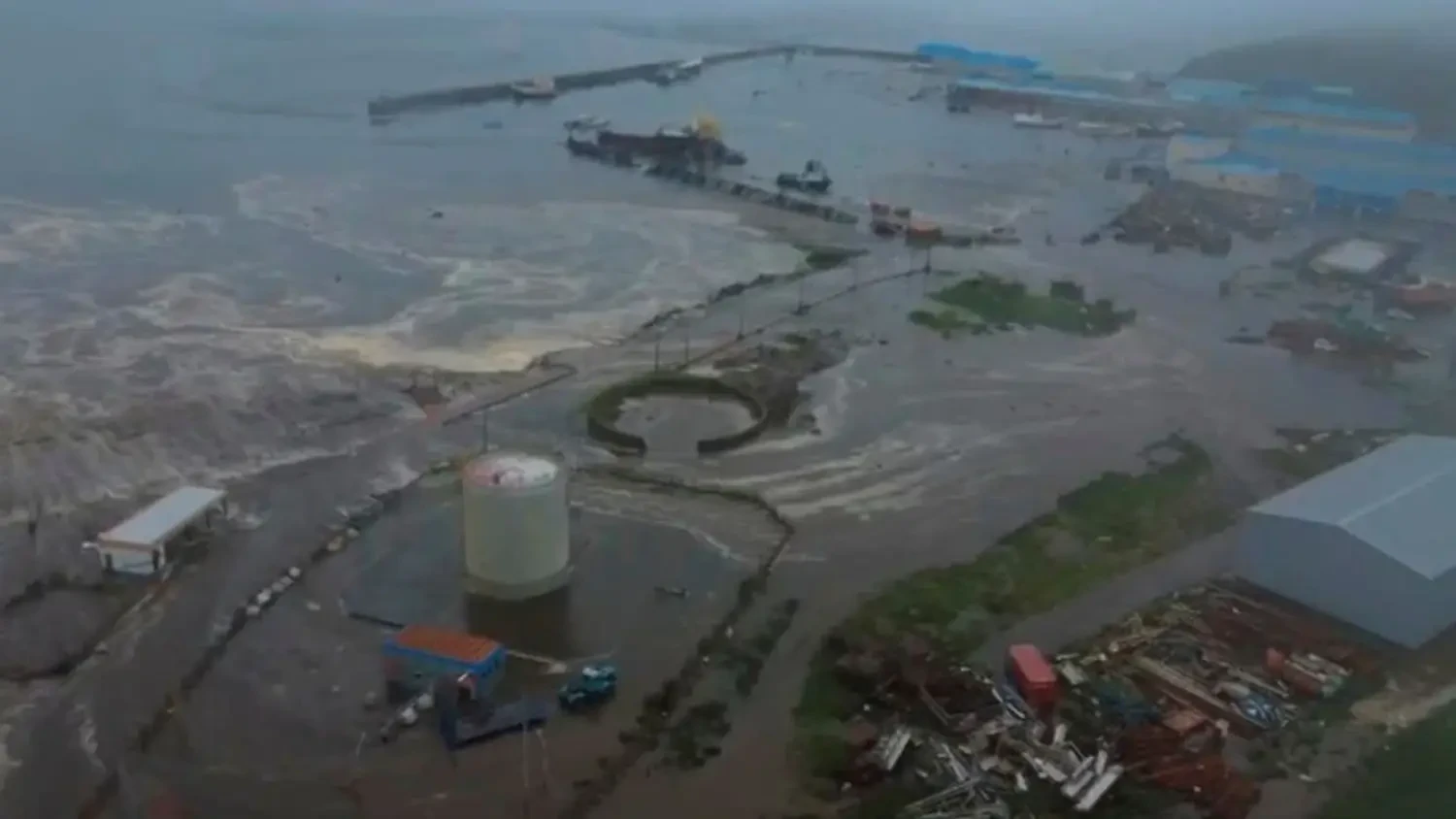
Magnitude 7.0 Earthquake Hits Russia’s Kamchatka Peninsula
A powerful magnitude 7.0 earthquake struck Russia’s Kamchatka Peninsula on October 16, 2026, drawing attention to one of the world’s most active earthquake zones. According to the European-Mediterranean Seismological Centre (EMSC), the earthquake occurred at a depth of approximately 140 kilometres beneath the Earth’s surface.
The earthquake was recorded at around 3:35 p.m. local time, with its epicentre reported approximately 123 kilometres southwest of Vilyuchinsk, in Russia’s Far East, according to NDTV.
The initial reports from Reuters and other media outlets did not provide confirmed details about casualties, structural damage or disruptions caused by the earthquake. Authorities and monitoring agencies continued to assess the event and its potential effects.
The depth of the earthquake is an important factor in understanding its possible impact. Deep earthquakes originate well below the Earth’s crust and can transmit seismic waves over considerable distances. However, the actual intensity of shaking experienced at the surface depends on several factors, including earthquake depth, magnitude, local geology and distance from the epicentre.
Is There a Tsunami Threat After the Kamchatka Earthquake?
The possibility of a tsunami is an important concern whenever a powerful earthquake occurs near the Pacific Ocean. However, a major earthquake does not automatically generate a tsunami.
According to the initial assessment issued by the US National Tsunami Warning Center, there was no tsunami threat from this earthquake based on the available data. The assessment indicated that no immediate action was required in the areas covered by its warning system.
The Indian Ocean Tsunami Warning and Mitigation System also circulated a technical bulletin following the seismic event. Such bulletins help monitoring agencies assess potential risks and coordinate information between national tsunami warning centres.
Tsunamis are generally generated when an undersea earthquake causes significant vertical displacement of the ocean floor, pushing a large volume of water. The depth and mechanism of an earthquake therefore matter when determining whether it could trigger dangerous waves.
As assessments can evolve when new seismic data become available, information from official tsunami warning centres remains the most reliable source for updates on coastal risks.
Why Is Kamchatka Prone to Powerful Earthquakes?
The Kamchatka Peninsula lies along the Pacific Ring of Fire, a vast horseshoe-shaped zone surrounding much of the Pacific Ocean. The region is known for frequent earthquakes, active volcanoes and the potential for powerful seismic events.
Its geological activity is closely linked to the movement of tectonic plates along the Kuril-Kamchatka Trench. Here, the Pacific Plate moves beneath the surrounding plate system in a process known as subduction.
As the plates interact, friction can cause sections of the boundary to become locked. Stress accumulates over time until rocks suddenly slip along a fault, releasing energy in the form of seismic waves. This process can generate earthquakes ranging from moderate tremors to major, destructive events.
The same tectonic processes contribute to the region’s extensive volcanic activity. Kamchatka is home to numerous volcanoes, making it an important area for scientists studying the relationship between earthquakes, plate movement and volcanic systems.
The region has experienced powerful earthquakes before. In July 2025, a magnitude 8.8 earthquake struck off Kamchatka, triggering tsunami warnings across parts of the Pacific. That event demonstrated how major seismic activity in the region can have consequences extending far beyond the immediate epicentre.
However, the October 16, 2026, earthquake is a separate event, and its relationship to earlier seismic activity should not be assumed without scientific evidence.
What Happens After a Magnitude 7 Earthquake?
Following a major earthquake, seismological agencies analyse data from monitoring stations to refine the event’s magnitude, depth and location. Authorities may also evaluate reports of damage, infrastructure disruption and potential aftershocks.
Aftershocks are smaller earthquakes that occur as the surrounding crust adjusts to changes in stress following a larger seismic event. They can sometimes be strong enough to cause additional damage, particularly in areas where buildings or infrastructure have already been weakened.
Residents in earthquake-prone regions are generally advised to follow local emergency instructions, stay away from damaged structures and rely on official updates rather than unverified social media reports.
For Kamchatka, the immediate priorities following the latest earthquake include monitoring seismic activity, confirming any effects on communities and maintaining accurate assessments of possible coastal hazards.
Key Facts About the Russia Earthquake
| Detail | Information |
|---|---|
| Date | October 16, 2026 |
| Magnitude | 7.0 |
| Location | Kamchatka Peninsula, Russia |
| Reported depth | Approximately 140 km |
| Nearby reference point | Vilyuchinsk |
| Seismic zone | Pacific Ring of Fire |
| Tsunami assessment | No tsunami threat indicated by the US National Tsunami Warning Center |
| Casualties and damage | Not confirmed in initial reports |
The magnitude 7.0 earthquake highlights the continuing seismic risks faced by communities along the Pacific Ring of Fire. While initial assessments indicated no tsunami threat, further information from monitoring agencies and local authorities remains important for establishing the full impact of the event.