
Lula Wins Brazil Election 2026, Secures Historic Fourth Term

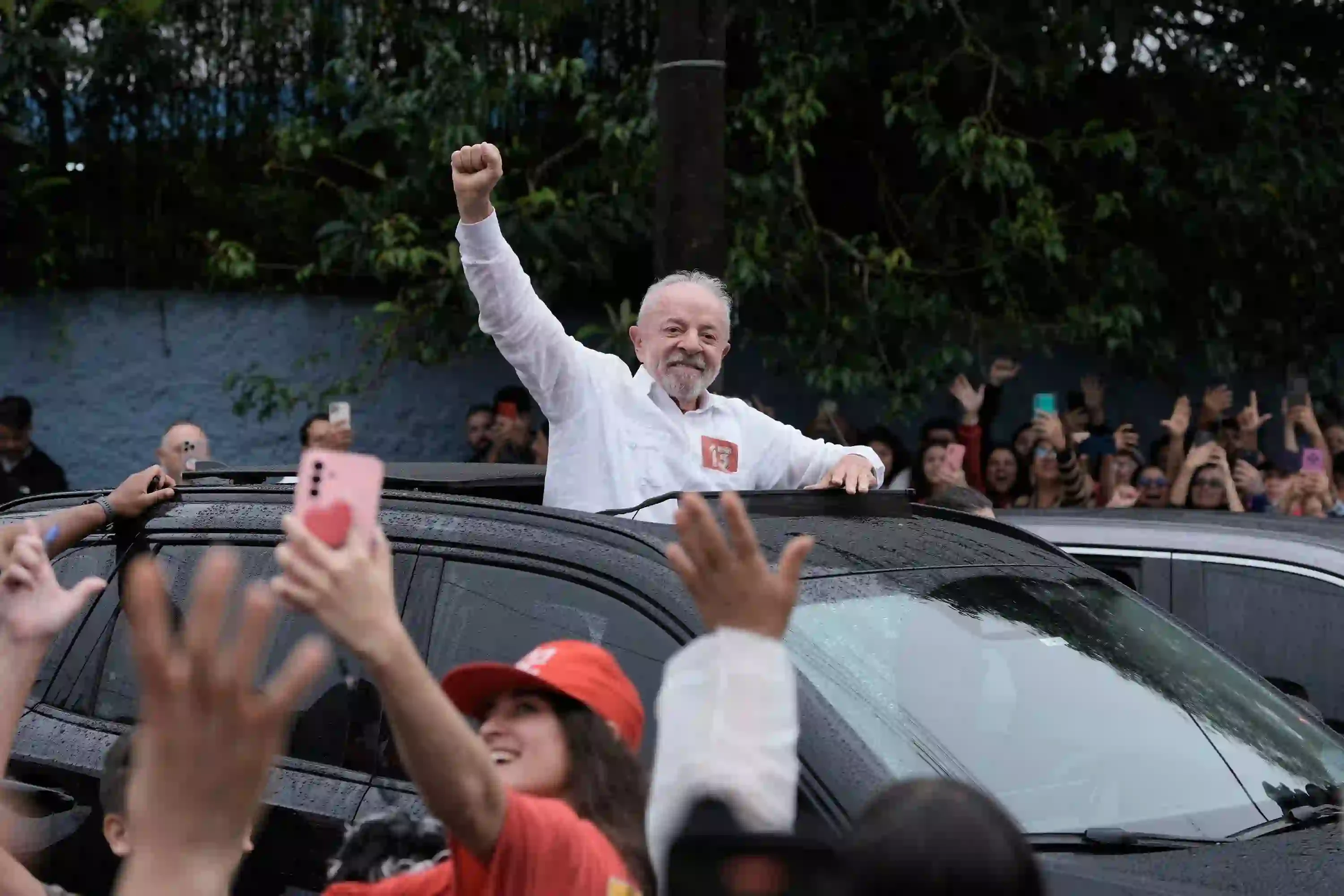
Lula’s Election Comeback Marks a New Chapter in Brazilian Politics
Brazilian President Luiz Inácio Lula da Silva has won re-election after a closely contested runoff against conservative Senator Flávio Bolsonaro, securing another four-year term in Latin America’s largest economy.
According to Brazil’s Superior Electoral Court, Lula received 64.26 million votes, representing 51.79% of valid ballots. Bolsonaro received approximately 59.83 million votes, or 48.21%. The final margin was around 4.43 million votes.
The outcome represents a significant reversal from the first round on October 4, when Bolsonaro finished ahead of Lula. The incumbent’s victory in the October 25 runoff makes him the first presidential candidate in Brazil’s post-dictatorship democratic era to finish second in the first round and then win the runoff.
For Lula, the result extends a political career spanning several decades. He previously served as president from 2003 to 2010 and returned to office in 2023 after defeating Bolsonaro’s father, former president Jair Bolsonaro, in the 2022 election.
His latest victory will allow him to begin a fourth, non-consecutive presidential term in January 2027.
A Closely Divided Electorate
The narrow result reflects the competing political priorities of Brazilian voters. Lula’s campaign focused on social welfare, reducing inequality, protecting public services and strengthening the role of the state in economic development.
Bolsonaro campaigned on a conservative platform, with public security, economic concerns and criticism of the incumbent administration among the issues shaping the contest.
The election was marked by an intense campaign and efforts by both sides to mobilise supporters. Lula’s campaign gained momentum in the final weeks, using public rallies and digital outreach to strengthen engagement with voters.
The runoff also demonstrated the importance of turnout. More than 128 million people voted, according to electoral authorities, with the abstention rate falling to approximately 19.2%, compared with 21.08% in the first round.
Although Lula secured the national majority, Bolsonaro’s substantial share of the vote underscores the scale of opposition facing the incoming administration. The result leaves the country politically divided, with both leaders drawing support from large sections of the electorate.
Bolsonaro Challenges the Outcome
The aftermath of the election has introduced uncertainty into Brazil’s political transition. Bolsonaro did not concede defeat and said he would seek to have the result annulled, questioning the circumstances surrounding the vote.
The election day was affected by transport-related complaints and a decision to extend voting hours at some polling locations. Electoral authorities confirmed Lula’s victory, while Bolsonaro’s challenge brought renewed attention to the dispute over the result.
Any formal challenge will be subject to Brazil’s electoral and judicial procedures. The announced result establishes Lula as the winner, while the legal implications of any challenge depend on the relevant authorities’ decisions.
The episode highlights the political tensions that have characterised Brazil in recent years, particularly since the 2022 election and the legal proceedings involving former president Jair Bolsonaro.
What Lula’s Fourth Term Means for Brazil
Lula’s next administration will face significant domestic challenges, including the cost of living, public security, economic growth and the financing of social programmes. The government will also need to work with a politically fragmented Congress to advance legislation and implement its agenda.
Economic policy will be closely watched by businesses and investors. Questions surrounding public spending, fiscal discipline, employment and investment will influence confidence in Brazil’s economic outlook.
Foreign policy is another important area. Brazil has sought to maintain an independent international position while expanding relations with trading partners and participating in multilateral forums. Relations with the United States may receive particular attention amid differences over trade, tariffs and regional political priorities.
Lula’s victory also comes as several countries in Latin America experience political shifts and debates over economic policy, security and the role of government. Brazil’s direction will have implications beyond its borders because of its economic scale and influence in regional diplomacy.
A Historic Victory, Followed by Difficult Decisions
The election gives Lula a renewed mandate, but the close margin means his administration will need to address concerns across a divided electorate. His ability to translate campaign commitments into policies will be a central test of the coming term.
For Bolsonaro and his supporters, the result marks a setback, although their substantial vote share confirms that conservative politics remains a major force in Brazil.
As the country prepares for the transfer into Lula’s next term, attention will turn to the formation of the administration, legislative negotiations and the response to any formal legal challenges. The election has settled the presidential contest according to the announced results, but the political debates that shaped it are likely to continue.