
India Floats Three-Point Russia-Ukraine Truce on Energy, Black Sea Trade and Shipping Safety

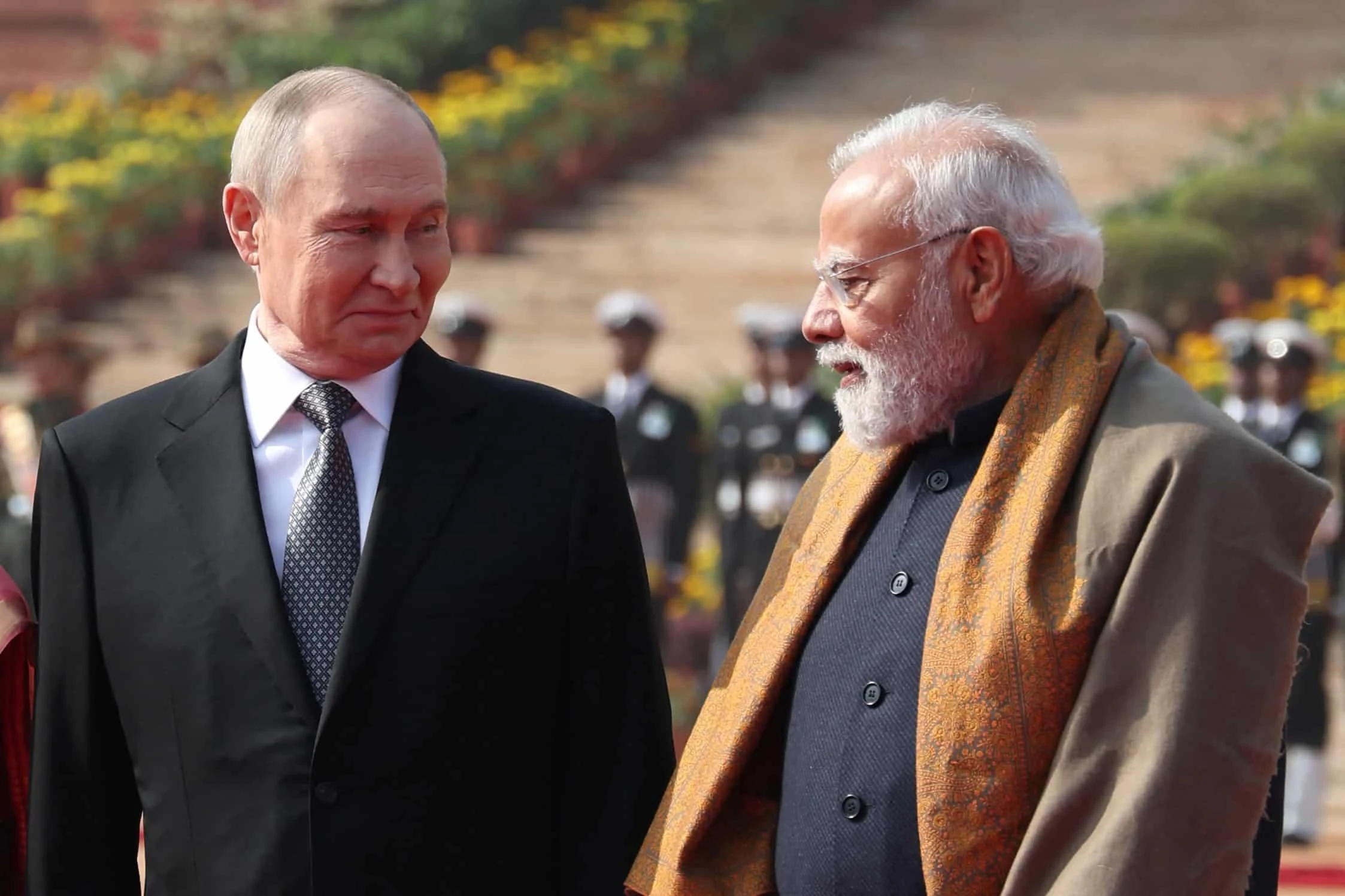
India Floats a Three-Point Truce for Russia and Ukraine
India has put forward a three-part ceasefire framework aimed at easing the Russia-Ukraine war, focused on energy infrastructure, Black Sea trade and the safety of commercial ships. Ukraine has called it the broadest of the proposals currently on the table, while Moscow's formal response has not been made clear.
NDTV was blocked when we tried to open its report, so this article draws on other outlets, including The Print, Hindustan Times reporting as relayed by other publications, and Dainik Jagran.
What the Plan Reportedly Contains
According to a Hindustan Times report citing sources, India's proposal has three elements:
- Stop attacks on energy facilities and other key civilian infrastructure.
- Keep grain and energy moving through Black Sea ports.
- End attacks on commercial vessels in the Black Sea.
New Delhi has not published the text of the plan, so these details come from press reports.
Kyiv's Reaction
Ukrainian Foreign Minister Andrii Sybiha said India's offer is the "broadest" of four proposals Ukraine has received. The others come from the United States, Turkey and Egypt. He said Kyiv is ready for an energy and Black Sea truce "only in this combination," and described what Ukraine wants as a complete energy truce covering all energy facilities, including port infrastructure.
Sybiha also noted that this is the first time India has indicated a willingness to play a role in the peace process, according to coverage of his remarks.
India's Role
India has long called for dialogue and diplomacy instead of a battlefield solution, and has avoided taking sides. External Affairs Minister S. Jaishankar has confirmed that New Delhi is now holding practical discussions with both Moscow and Kyiv on shipping safety, grain and energy exports and possible non-attack arrangements, according to reports.
Russian President Vladimir Putin has publicly said Prime Minister Narendra Modi has "very good ideas" for finding solutions acceptable to both sides, as relayed by Indian media. Russia has not publicly accepted the specific plan.
Why the Black Sea Matters
The Black Sea is a key route for Ukrainian grain and for regional energy shipments. A grain deal mediated by Turkey and the United Nations once allowed Ukrainian exports to resume through the sea, but it expired. Ukraine then set up its own maritime corridor, though exports have suffered as Russian operations in the area intensified this summer, according to The Print.
Recent attacks on commercial ships have also raised concern for the safety of Indian sailors, a factor that gives India a direct interest in the issue.
Wider Diplomatic Backdrop
Earlier this year, the White House said that Washington and Moscow had agreed to pursue a 30-day energy and infrastructure ceasefire and talks on a maritime truce in the Black Sea, though lasting peace has remained elusive. The war has now continued for more than four years and has intensified in recent months.
What Happens Next
- Both Russia and Ukraine must formally respond to India's plan.
- Ukraine says it will accept an energy truce only if the Black Sea element is included.
- Whether the Indian, US, Turkish and Egyptian offers can be combined is unclear.
- Any agreement would still need a way to verify that attacks have stopped.
This is a developing story. Details of the plan are based on reports citing sources and could change.