
Houthi Attacks on Saudi Airports Trigger Flight Cancellations as India Warns Nationals to Stay Indoors

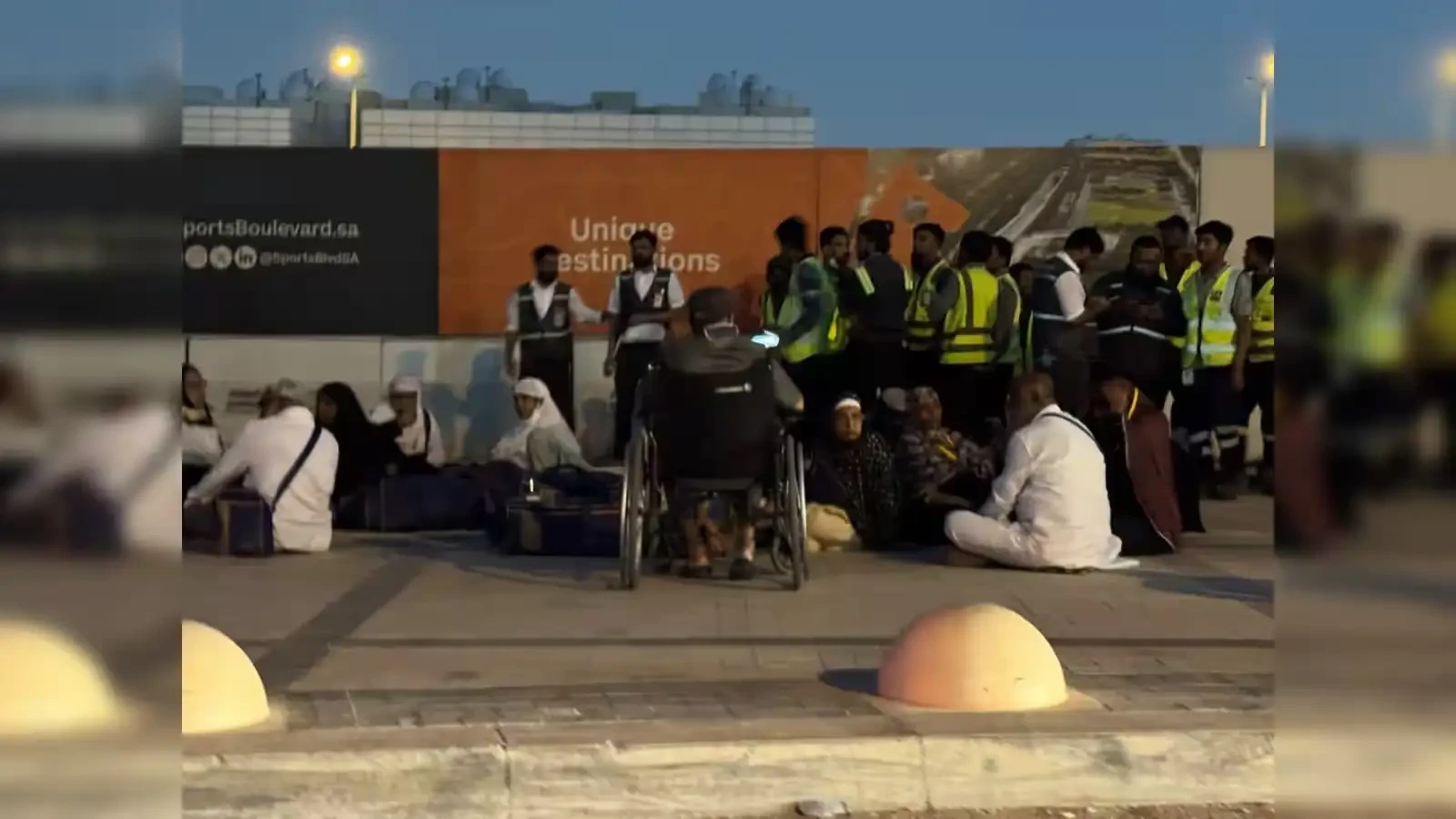
Saudi Arabia is facing a growing security crisis following a series of missile and drone attacks attributed to Yemen’s Houthi rebels, disrupting commercial aviation and raising concerns about the safety of civilians and international travellers. The escalating violence has prompted Indian airlines to suspend flights to several Saudi cities until October 17, while Indian diplomatic missions have issued fresh advisories for nationals living in the kingdom.
The attacks have placed particular attention on King Khalid International Airport in Riyadh, one of Saudi Arabia’s major aviation hubs. Repeated strikes have disrupted airport operations, affected international travel and intensified concerns about the wider regional conflict.
Why Are Houthis Attacking Saudi Airports?
The latest attacks are linked to the intensifying conflict involving Yemen’s Iran-aligned Houthi movement, Saudi-backed Yemeni government forces and wider regional tensions. The escalation follows the breakdown of a United Nations-brokered ceasefire that had helped limit fighting in Yemen since 2022.
Saudi Arabia has long supported Yemen’s internationally recognised government in its conflict with the Houthis, who have controlled the capital, Sanaa, and significant parts of northwestern Yemen since 2014.
The latest strikes appear to serve multiple strategic purposes, including retaliation against Saudi-backed military operations, pressure on Riyadh and an attempt to demonstrate vulnerabilities in the kingdom’s air defences.
The attacks have also threatened Saudi Arabia’s ambitions to position itself as a global centre for tourism, international business, aviation and investment. Repeated disruptions at major airports could affect business travel, international events and confidence among overseas investors.
Riyadh Airport Attack Raises Security Concerns
King Khalid International Airport has been among the principal targets during the recent escalation. Reports of repeated attacks have highlighted the difficulty of protecting major civilian infrastructure against missile and drone strikes.
An earlier attack on October 10 caused mass casualties, with reports indicating that at least a dozen people were killed and more than 300 injured. A subsequent attack on the Riyadh airport further intensified concerns about the safety of passengers and airport personnel.
Other Saudi aviation facilities, including airports in Abha, Jazan and Najran, have also been affected by reported attacks during the latest period of violence. The Houthis have additionally claimed an attack targeting King Fahd International Airport in Dammam.
The repeated strikes have raised questions about Saudi Arabia’s ability to protect its extensive infrastructure despite its investment in advanced air-defence systems. Authorities are confronting the challenge of responding to evolving missile and drone tactics while preventing further civilian casualties.
Indian Airlines Suspend Saudi Flights Until October 17
The worsening security situation has significantly affected air travel between India and Saudi Arabia. Indian carriers, including IndiGo, Air India and Akasa Air, have announced suspensions or cancellations affecting services to Saudi destinations amid concerns about operational safety.
The disruptions have affected routes involving Riyadh, Jeddah, Dammam and other Saudi cities, although the status of individual services may differ by airline and destination.
Passengers planning to travel have been advised to check directly with their airlines before leaving for the airport. Depending on the carrier and booking conditions, affected travellers may be offered refunds, rescheduling or alternative arrangements.
The flight suspensions are expected to remain in place until at least October 17, subject to further safety assessments and operational updates. Travellers should not assume that flights will automatically resume on that date without confirmation from their airline.
The disruption is particularly significant for Indian expatriates, business travellers, families visiting relatives and Umrah pilgrims travelling through Saudi airports.
Indian Embassy Issues Fresh Safety Advisory
Amid the escalating violence, the Embassy of India in Riyadh has urged Indian nationals to remain alert, follow instructions issued by Saudi authorities and stay indoors when necessary.
Indian citizens have also been advised not to circulate or repost videos, photographs or unverified news related to the ongoing attacks. The guidance is intended to discourage the spread of potentially sensitive material and encourage people to rely on official information during the emergency.
The embassy has urged residents to remain calm and monitor developments through recognised official channels. Indian nationals facing difficulties have been advised to maintain contact with diplomatic missions and seek assistance through designated helplines.
The Consulate General of India in Jeddah has also issued guidance for travellers affected by flight disruptions, particularly those undertaking Umrah journeys through Jeddah and Madinah. Pilgrims have been advised to coordinate with their airlines, travel agents and Umrah service providers before making travel arrangements.
Indian citizens should follow local emergency instructions and avoid unnecessary movement in areas affected by security incidents.
Could the Conflict Spread Across the Middle East?
The latest attacks have raised fears that the conflict could widen beyond Yemen and Saudi Arabia. The involvement of regional powers, the use of long-range weapons and the targeting of civilian infrastructure have increased the risk of further escalation.
Saudi Arabia’s aviation disruptions also have implications for regional transport networks, tourism and international business. If attacks continue, airlines could face prolonged route suspensions, while passengers may encounter higher costs, longer journeys and limited travel options.
Energy markets are another area of concern. Any further escalation affecting oil infrastructure or strategically important shipping routes could create uncertainty around global energy supplies and prices. However, the scale of any market impact will depend on how the conflict develops and whether critical facilities and shipping lanes remain operational.
For India, the immediate priority is the safety of its citizens in Saudi Arabia and the protection of travellers affected by flight cancellations. The coming days will be crucial in determining whether airport operations can resume safely and whether diplomatic efforts can prevent the conflict from intensifying further.