
Former Japan PM Yasuo Fukuda Dies at 90, Leaving a Legacy of China Diplomacy

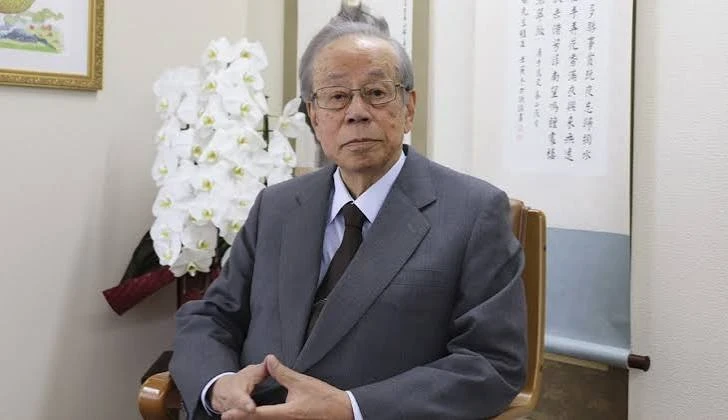
Yasuo Fukuda, Former Japanese Prime Minister, Dies at 90
Former Japanese Prime Minister Yasuo Fukuda, who sought to improve relations with China and strengthen regional diplomacy, has died at the age of 90, according to reports published on October 27, 2026.
Fukuda served as Japan’s prime minister from September 2007 to September 2008, leading the country during a period of political change and growing economic uncertainty. His tenure was marked by efforts to maintain stable ties with neighbouring countries, particularly China, while managing Japan’s domestic political and economic challenges.
He was widely associated with a diplomatic approach that emphasised dialogue, regional stability and practical engagement. His efforts to improve relations with Beijing formed an important part of his foreign-policy legacy at a time when historical disputes and strategic competition continued to affect ties between the two Asian powers.
A Political Career Shaped by Public Service
Born on July 16, 1936, in Takasaki, Gunma Prefecture, Fukuda came from a prominent political family. His father, Takeo Fukuda, also served as Japan’s prime minister, from 1976 to 1978.
Yasuo Fukuda entered national politics after working in the private sector and was elected to Japan’s House of Representatives in 1990. He later became chief cabinet secretary under Prime Minister Junichiro Koizumi, serving from 2000 to 2004.
As chief cabinet secretary, Fukuda became one of the government’s most visible officials, regularly communicating policy decisions and responding to major political developments. His experience in that role helped establish his profile within the governing Liberal Democratic Party (LDP).
In September 2007, he succeeded Shinzo Abe as prime minister, becoming Japan’s first prime minister whose father had also held the office. His rise reflected both his political background and his long involvement in government.
Efforts to Improve Japan-China Relations
One of the defining features of Fukuda’s premiership was his effort to build a more stable relationship with China. Relations between Tokyo and Beijing have long been shaped by historical grievances, territorial disagreements and competing regional interests.
Fukuda favoured dialogue and cooperation, seeking to reduce tensions and expand engagement between the two governments. His approach included support for closer economic relations and broader regional discussions on security and stability.
During his time in office, he visited China and engaged with Chinese leaders as both countries sought to manage differences while maintaining important trade and economic links.
The diplomatic relationship remained complex, but Fukuda’s approach highlighted the role of sustained communication in preventing disagreements from undermining wider cooperation. His interest in regional engagement also reflected Japan’s broader effort to maintain constructive relations across Asia.
Challenges During His Premiership
Fukuda’s government faced significant challenges at home and abroad. Japan was dealing with concerns about economic growth, an ageing population and disagreements over domestic policy. Political friction between the House of Representatives and the House of Councillors also made legislation difficult.
Internationally, the global financial crisis of 2008 created growing uncertainty for economies around the world. Japan, heavily connected to global trade, faced risks from slowing demand and financial-market instability.
Fukuda announced his resignation in September 2008, less than a year after taking office. His departure reflected the political difficulties facing his administration and the challenges of sustaining support amid domestic disagreements.
A Legacy of Dialogue and Regional Diplomacy
Although his premiership was relatively brief, Fukuda remained a significant figure in Japan’s post-war political history. His career included senior government responsibilities and a consistent emphasis on maintaining diplomatic channels with neighbouring countries.
His approach to China illustrated the balancing act facing Japanese leaders: protecting national interests while maintaining economic ties and seeking stability in a strategically important region.
Fukuda’s death marks the passing of a former national leader whose political career spanned decades of change in Japan. His emphasis on diplomacy and regional cooperation remains relevant as East Asia continues to navigate strategic competition, economic interdependence and unresolved historical tensions.