
AI in Healthcare: New Tools Could Help Detect TB and Lung Cancer Earlier in India

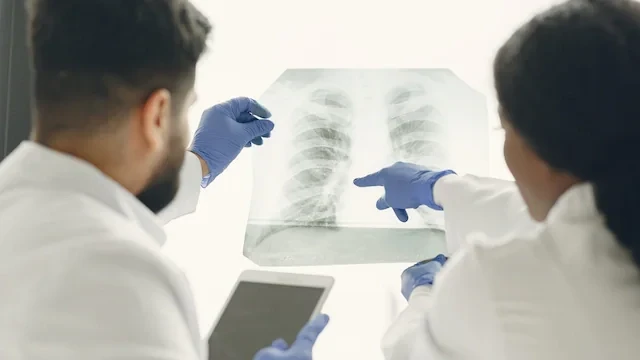
AI-Powered Diagnostics Could Strengthen India’s Fight Against TB and Lung Cancer
Artificial intelligence is emerging as a useful support tool in India’s healthcare system, particularly for the early detection of respiratory diseases such as tuberculosis (TB) and lung cancer. By analysing medical images and flagging suspicious abnormalities, AI-powered systems could help clinicians identify patients who need further investigation and reduce delays in diagnosis.
The potential was highlighted at NAPCON 2026, the 28th joint annual conference of the National College of Chest Physicians, India, and the Indian Chest Society, held in Jaipur from October 22 to 25. The conference brought together more than 2,000 pulmonologists, respiratory specialists, researchers and healthcare professionals from India and abroad.
Former AIIMS Director Dr Randeep Guleria said AI could support faster and more informed clinical decisions by identifying suspicious findings in chest X-rays and CT scans. The technology could be particularly valuable in a country with a substantial burden of tuberculosis and lung cancer.
How Artificial Intelligence Can Help Detect Tuberculosis
Tuberculosis remains a major public health challenge in India. Early identification is essential to ensure timely treatment and reduce the risk of further transmission.
AI-powered computer-aided detection software can analyse chest X-rays and flag patterns that may be associated with TB. Healthcare workers can use these results to prioritise patients for further assessment, laboratory testing and treatment where necessary.
The technology could be especially useful in rural and underserved communities, primary healthcare centres and mobile screening programmes where access to specialist radiologists may be limited. By helping health workers process large numbers of scans, AI could make screening programmes more efficient and help identify people who might otherwise face delays in receiving care.
However, an AI-generated alert does not establish that a patient has tuberculosis. Medical professionals must interpret the findings alongside symptoms, clinical history and appropriate confirmatory tests.
AI Could Support Earlier Lung Cancer Diagnosis
Artificial intelligence is also being explored as a tool to assist in lung cancer detection. Algorithms can examine CT scans, highlight suspicious lung nodules and flag abnormalities that warrant closer evaluation by clinicians.
Identifying concerning changes earlier may help doctors arrange additional investigations and assess patients before a disease progresses. This is important because the stage at which lung cancer is diagnosed can significantly influence treatment options and outcomes.
AI can also help medical teams review large volumes of imaging data more systematically. Rather than replacing radiologists or respiratory specialists, these systems are designed to draw attention to findings that may require further review.
The usefulness of such technology depends on the accuracy of the algorithms, their validation in relevant patient populations and the ability of healthcare facilities to provide timely follow-up investigations.
AI Adoption Is Expanding Across Indian Healthcare
Beyond respiratory diseases, AI is being applied across healthcare for medical-image analysis, clinical decision support, patient monitoring, telemedicine and hospital operations. These applications could help reduce administrative workloads, improve the organisation of care and support healthcare workers managing large patient volumes.
India’s diverse population and uneven distribution of medical specialists make accessible diagnostic technology particularly relevant. AI-assisted screening could help extend specialist-supported services to locations where medical resources are limited, provided that the necessary infrastructure and referral systems are in place.
The broader adoption of AI in healthcare nevertheless remains uneven. Hospitals and clinics need reliable digital infrastructure, secure patient-data systems, staff training and workflows that integrate AI recommendations into clinical practice.
Challenges: Accuracy, Affordability and Medical Oversight
Experts caution that AI should complement, not replace, doctors’ expertise. Algorithms can produce inaccurate results, and their performance may vary depending on the quality of medical images, the data used to develop them and the population in which they are deployed.
Healthcare providers must ensure that AI tools are clinically validated, appropriately regulated and used with suitable human oversight. Patient privacy and responsible management of medical data are also essential.
Equally important is what happens after a suspicious result is detected. Screening can only improve health outcomes when patients have access to confirmatory tests, specialist assessment and timely treatment. Affordable access will be crucial if the benefits are to reach communities beyond major hospitals.
The Road Ahead for AI in Indian Healthcare
AI-assisted diagnostics offer an opportunity to strengthen India’s approach to early disease detection, particularly for TB and lung cancer. Faster image analysis and better prioritisation of high-risk patients could help healthcare teams use limited resources more effectively.
The long-term impact, however, will depend on responsible implementation rather than technology alone. Combining validated AI tools with medical expertise, accessible testing and reliable treatment pathways will be essential to translating innovation into better patient care.