•
•
•
•
•
•
•

From Bharatanatyam to Sattriya, how India's classical dances tell stories through rhythm and expression
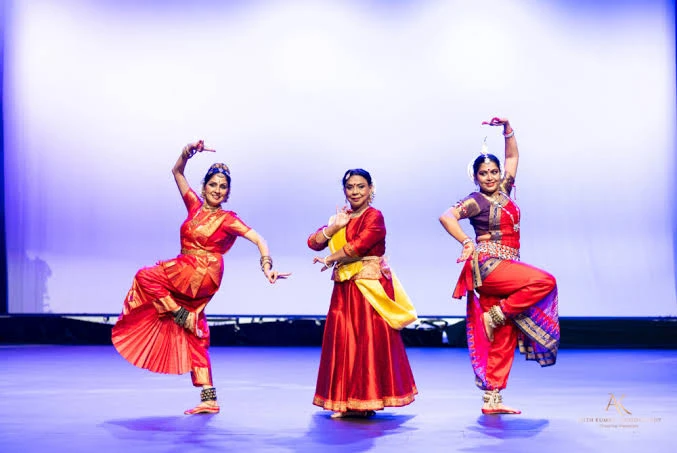
India's classical dance traditions combine rhythm, music, storytelling and devotion into sophisticated art forms passed down over generations. The Sangeet Natak Akademi, India's national academy for performing arts, recognises eight classical dance forms. The Ministry of Culture also includes Chhau among classical forms in some listings.
During the festive season, from Navratri and Durga Puja to temple festivals, these traditions are performed widely across the country.
All classical dances trace their theory to the Natya Shastra, a Sanskrit treatise on performing arts attributed to the sage Bharata Muni and generally dated to roughly 200 BCE–200 CE. Key concepts include:
One of the oldest living forms, originating in the temples of Tamil Nadu. It features a half-sitting posture (araimandi), precise footwork, sculptural poses and elaborate mudras. Accompanied by Carnatic music, performances follow a structured repertoire, or margam.
Developed from storytellers (kathakars) and later shaped in Hindu temples and Mughal courts. Known for rapid spins (chakkars), intricate footwork with ankle bells, and rhythmic dialogue with the tabla. Major schools include the Lucknow, Jaipur and Banaras gharanas.
A dramatic dance-theatre form with elaborate painted faces, huge headdresses and voluminous costumes. Make-up colours signify character types, such as green (pacha) for noble heroes. Stories come from the Ramayana and Mahabharata, performed traditionally through the night.
Named after a village in Krishna district. It combines dance and drama, and a well-known feature is dancing on the rim of a brass plate, sometimes with a pot of water balanced on the head.
Rooted in the temples of Odisha, with evidence in sculptures at sites such as Konark. Characterised by the tribhangi (three-bend) posture and the square chauka stance, flowing torso movements and devotion to Lord Jagannath. It was revived in the 20th century by gurus such as Kelucharan Mohapatra.
Gentle, graceful and devotional, often depicting the Raas Leela of Krishna and Radha. Dancers wear distinctive barrel-shaped skirts (potloi). Movements are soft and rounded, with no ankle bells.
Named after Mohini, the enchantress form of Vishnu. A graceful, swaying solo dance traditionally performed by women, in white and gold Kerala kasavu costumes.
Introduced in the 15th century by the saint-reformer Srimanta Sankardev as part of Vaishnavite devotion in Assam's monasteries (sattras). It was recognised as a classical dance by the Sangeet Natak Akademi in 2000, making it the most recent addition.
| Dance | State | Music | Distinctive feature |
|---|---|---|---|
| Bharatanatyam | Tamil Nadu | Carnatic | Araimandi posture |
| Kathak | Uttar Pradesh / North | Hindustani | Spins and footwork |
| Kathakali | Kerala | Sopana sangeetham | Painted faces, dance-drama |
| Kuchipudi | Andhra Pradesh | Carnatic | Brass-plate dancing |
| Odissi | Odisha | Odissi music | Tribhangi pose |
| Manipuri | Manipur | Manipuri | Raas Leela, soft movements |
| Mohiniyattam | Kerala | Carnatic / Sopana | Swaying grace |
| Sattriya | Assam | Borgeet | Monastic Vaishnavite roots |
Classical dance survived colonial-era suppression of temple dancers through 20th-century revivals led by figures such as Rukmini Devi Arundale, who founded Kalakshetra in Chennai in 1936. Today, dance schools, festivals such as the Khajuraho Dance Festival and Konark Dance Festival, and digital platforms keep these arts alive.
The Sangeet Natak Akademi recognises eight. Some Ministry of Culture listings add Chhau as a ninth.
Bharatanatyam is often described as one of the oldest living forms, though several traditions have ancient roots.
Sattriya from Assam, recognised in 2000.
Symbolic hand gestures used to convey objects, actions and emotions.
India's classical dances share a common theoretical root but express the distinct cultures of their regions. Each form offers a window into history, devotion, literature and the country's remarkable artistic diversity.
