•
•
•
•
•
•
•

How to read your numbers, why hypertension often goes unnoticed and what lifestyle changes help
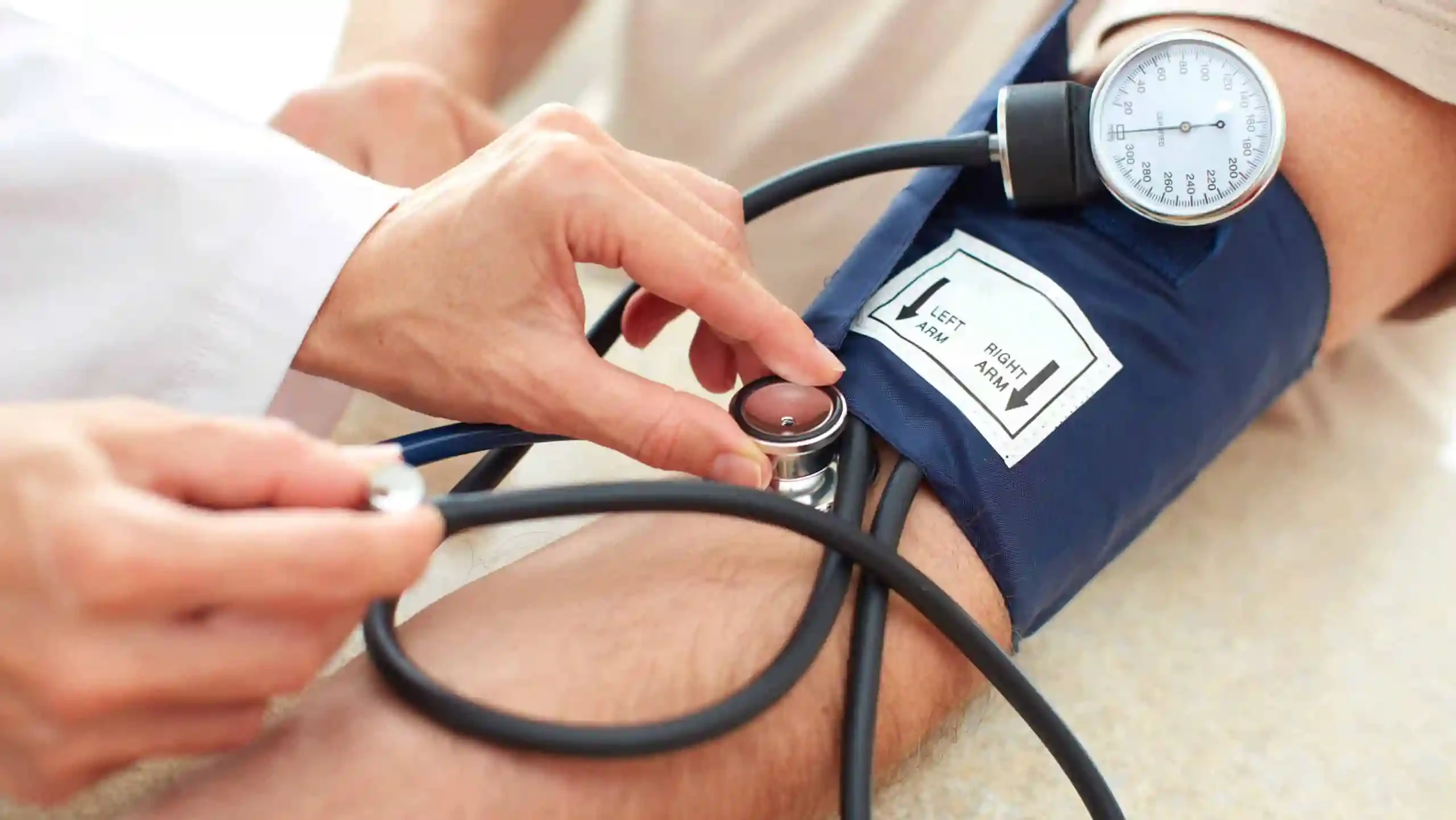
Hypertension, or high blood pressure, is a condition in which the force of blood against artery walls stays persistently high. It is one of the leading risk factors for heart attack, stroke, kidney disease and early death. The World Health Organization estimates that around 1.3 billion adults aged 30–79 have hypertension, and many do not know it.
Medical note: This article is general information and not a substitute for advice from a qualified doctor. Do not start or stop medication without medical guidance.
A reading such as 120/80 mmHg has two numbers:
| Category | Systolic | Diastolic |
|---|---|---|
| Normal | Below 120 | Below 80 |
| Elevated / high-normal | 120–139 | 80–89 |
| Hypertension (WHO and many international guidelines) | 140 or higher | 90 or higher |
Some guidelines, such as the 2017 American College of Cardiology/American Heart Association guideline, define hypertension from 130/80. Doctors choose thresholds and treatment targets based on each person's overall risk.
A single high reading does not mean hypertension. Diagnosis is based on repeated measurements, often confirmed with home or ambulatory monitoring.
Most people with high blood pressure feel perfectly normal. Headaches, nosebleeds or dizziness are unreliable signs. Very high readings with chest pain, breathlessness, confusion, weakness on one side or vision changes are a medical emergency.
These steps can lower blood pressure meaningfully and improve how well medicines work.
When lifestyle changes are not enough, doctors prescribe medicines such as ACE inhibitors, angiotensin receptor blockers, calcium channel blockers or diuretics. Many people need more than one. Taking medicines regularly, even when feeling well, is essential. India's Hypertension Control Initiative and screening at Ayushman Arogya Mandirs aim to improve detection and treatment.
Adults should have it checked at least once a year from age 18, and more often if readings are high or risk factors exist.
Secondary hypertension may resolve if the cause is treated. Primary hypertension is usually controlled rather than cured.
Potassium-enriched salt substitutes can help many people, but those with kidney disease or on certain medicines should consult a doctor first.
Not without medical advice. Normal readings often mean the medicine is working.
Hypertension is common, silent and dangerous, but also detectable and controllable. Know your numbers, measure correctly, eat less salt, stay active and follow medical advice.
