•
•
•
•
•
•
•

The science behind handwashing, and why it matters during Ebola, bird flu and flu season
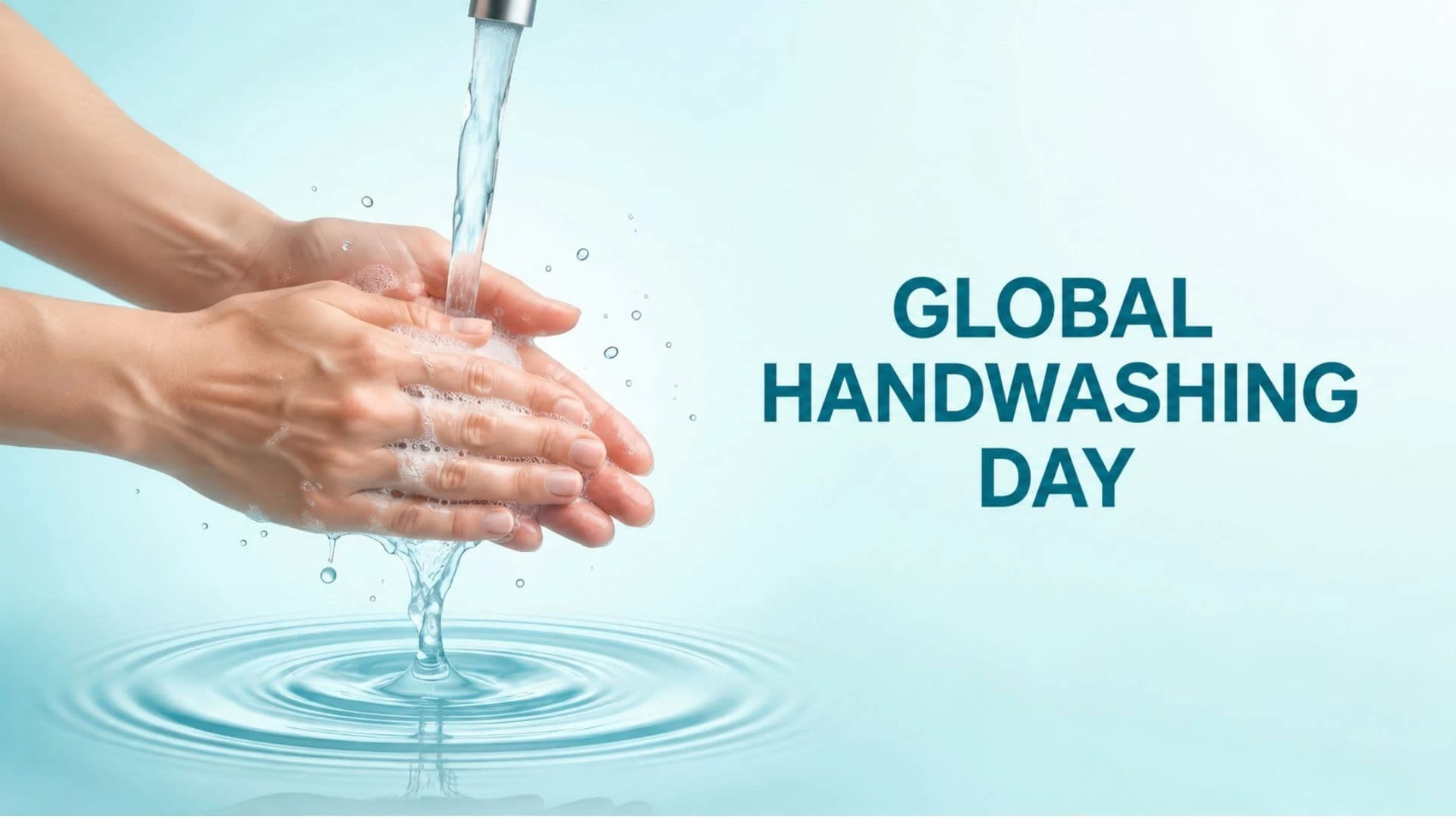
Global Handwashing Day is observed every year on 15 October. It was started in 2008 by the Global Handwashing Partnership to promote handwashing with soap as an easy, affordable way to prevent disease. According to the US Centers for Disease Control and Prevention (CDC), handwashing education can cut diarrhoeal illness by about 23–40% and respiratory illnesses such as colds by about 16–21%. In 2026 the day comes during a large Ebola outbreak in Central Africa, sporadic H5N1 bird flu cases, and the start of the Northern Hemisphere flu season.
Many germs spread when people touch their eyes, nose or mouth with unwashed hands, prepare food, or touch shared surfaces. Soap does more than rinse:
The WHO and CDC recommend these steps:
| Situation | Best option |
|---|---|
| Hands visibly dirty or greasy | Soap and water |
| After using the toilet | Soap and water |
| After handling chemicals | Soap and water |
| No sink available, hands not visibly dirty | Alcohol-based sanitiser (at least 60% alcohol) |
| Norovirus and some other germs | Soap and water (sanitiser is less effective) |
The Bundibugyo Ebola outbreak in the Democratic Republic of the Congo has recorded more than 8,600 confirmed cases, and Kenya confirmed its first imported case in October 2026. Ebola spreads through contact with body fluids. Hand hygiene, along with protective equipment, is central to protecting health workers and caregivers.
Sporadic H5N1 human cases, such as those in Cambodia in 2026, are mostly linked to contact with sick or dead poultry. Washing hands after handling birds is a basic precaution.
The Northern Hemisphere winter brings more flu, RSV and stomach bugs. Handwashing helps reduce spread in schools, offices and homes.
Access remains a problem. WHO and UNICEF report that billions of people still lack basic handwashing facilities with soap and water at home, mostly in low-income countries. Many health facilities also lack reliable hand-hygiene stations. Investment in water, sanitation and hygiene (WASH) is one of the most cost-effective public health measures.
Every year on 15 October.
At least 20 seconds with soap and water.
Yes. Water temperature has little effect on removing germs. Soap, scrubbing and time matter most.
No. Alcohol-based sanitisers work against many germs but are less effective against some, like norovirus, and don't work well on visibly dirty hands.
It is one important part of prevention, especially for caregivers and health workers, alongside protective equipment, safe burials and avoiding contact with infected body fluids.
Handwashing with soap is one of the simplest and cheapest ways to prevent disease. With Ebola, bird flu and seasonal infections all in the news, Global Handwashing Day 2026 is a good reminder to build the 20-second habit and to keep investing in clean water and soap for everyone.
