
Samsung Forecasts Record Q3 Profit of 107.4 Trillion Won on AI Memory Boom

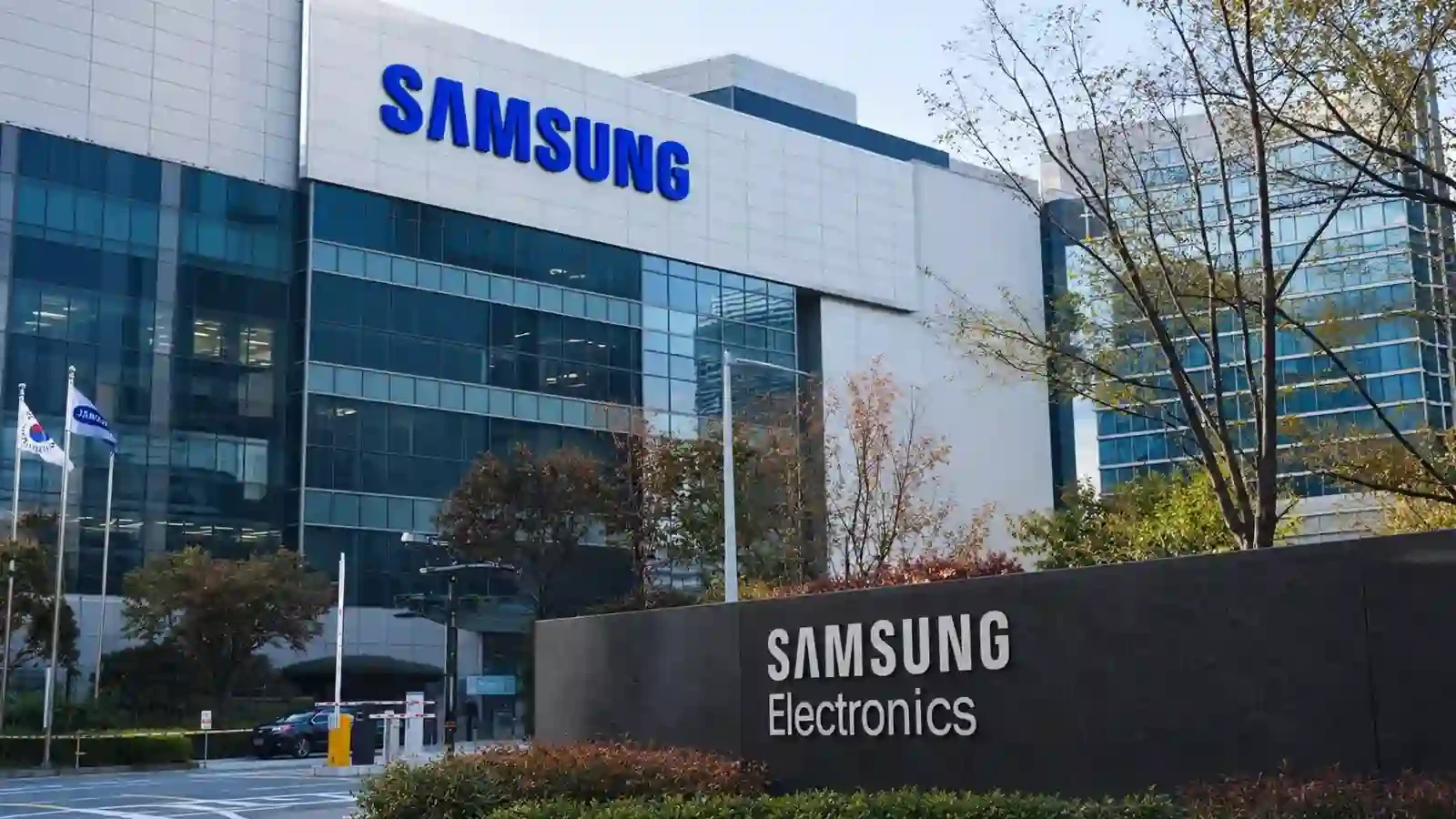
Seoul, 8 October 2026: Samsung Electronics has issued preliminary guidance for the third quarter of 2026, projecting about 195 trillion won in revenue and about 107.4 trillion won in operating profit. The figures are preliminary and subject to external audit. Full results, with a breakdown by division, usually follow later in the month.
What is driving the numbers
The main driver is high-bandwidth memory (HBM), a type of stacked memory chip needed by the AI accelerators that power data centres. AI companies are spending heavily on computing infrastructure, which has:
- Increased demand for HBM and server memory
- Pushed up memory chip prices across the industry
Winners and losers
- Winners: memory makers such as Samsung, SK Hynix and Micron, along with AI chip suppliers.
- Losers: makers of consumer electronics such as smartphones, PCs and TVs, which face higher memory costs. That could lead to higher prices or thinner margins.
Context: the AI infrastructure boom
Samsung's guidance fits a broader picture of record spending on AI:
- SpaceX is reportedly arranging about $40 billion of financing, mainly to buy Nvidia processors.
- GlobalFoundries signed a $2 billion deal with TSMC to produce components for advanced AI chip packaging in the US.
- Morgan Stanley estimates AI infrastructure could need $1.5 trillion in external financing by 2028.
Why it matters for India
India is building its own semiconductor ecosystem, with several chip assembly and testing projects under the India Semiconductor Mission. Global memory shortages and price rises also affect the cost of phones and laptops sold in India, where Samsung is a major brand.
What happens next
Investors will look for Samsung's detailed earnings to see how much profit came from memory versus phones and displays, and for signs of whether AI memory demand is still accelerating or levelling off.