
Oil Prices Fall as Trump Eases Russia Sanctions: What It Means for Global Energy Markets

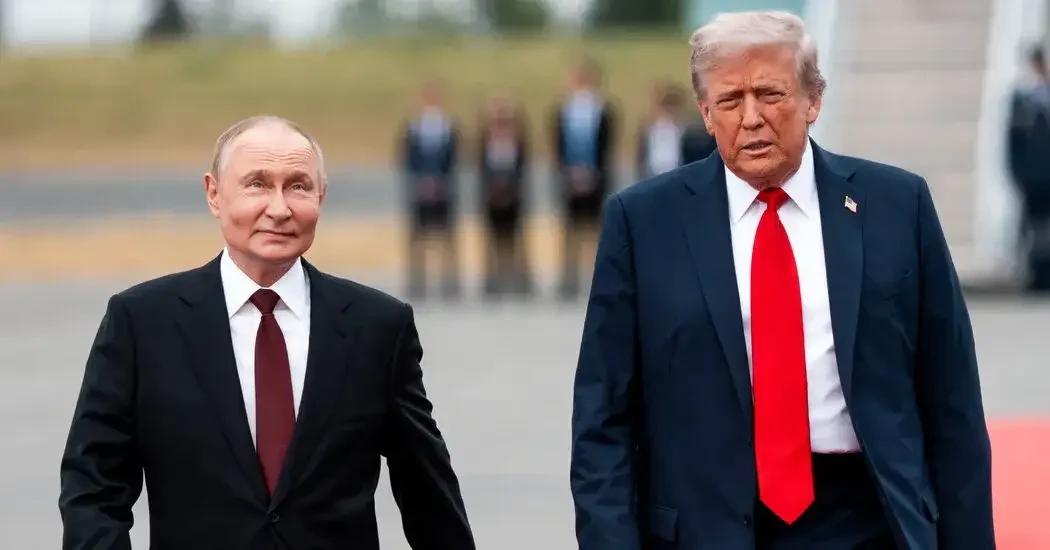
Oil Prices Drop After Trump Relaxes Russia Sanctions
October 19, 2026: Global crude oil prices retreated from a five-month high after US President Donald Trump signed an executive order easing key sanctions and tariffs targeting Russia, a move that could allow more Russian fuel to reach international markets.
According to Reuters, Brent crude futures fell 1.80% to $107.88 per barrel, while US West Texas Intermediate (WTI) crude declined 1.14% to $100.25 per barrel in early trading on Monday. Prices had climbed sharply in the previous session amid concerns over disruptions to global energy supplies.
The policy shift comes as governments and energy markets grapple with rising fuel costs, geopolitical tensions and uncertainty surrounding oil shipments through the Middle East. Investors are assessing whether additional Russian supplies could ease pressure on crude oil and diesel prices.
Why Did Trump Ease Russia Oil Sanctions?
The Trump administration has presented the decision as a response to economic and energy-market pressures. The US president has also promoted a separate agreement with Russian President Vladimir Putin to increase diesel supplies to international markets, with the stated aim of bringing down fuel prices.
Under the announced arrangement, initial supplies were expected to total approximately 2.3 million barrels of diesel, potentially rising to around 7.6 million barrels in subsequent months, according to Reuters.
The sanctions waiver has paused key restrictions introduced under legislation intended to increase pressure on Moscow over its war in Ukraine. The US administration is expected to assess the economic impact of its policy over a period of up to 60 days.
However, the duration and practical effect of the measures remain uncertain, leaving traders cautious about whether the move will lead to a sustained increase in global fuel supplies.
Will Lower Oil Prices Benefit Consumers?
The easing of Russia sanctions could increase the availability of diesel and other petroleum products, potentially helping to moderate energy prices. Lower fuel costs can reduce transportation and manufacturing expenses and ease inflationary pressure on households and businesses.
However, the immediate impact may be limited. Analysts cited by the Council on Foreign Relations have questioned whether the proposed Russian diesel shipments are large enough to significantly change global market conditions.
Continuing supply disruptions in the Middle East remain another major concern. Reuters reported that intensified attacks on commercial vessels in the region sharply reduced Gulf crude exports, adding to uncertainty over the availability of oil in international markets.
Consequently, any additional Russian supplies could be offset by reduced exports elsewhere, limiting the extent to which global oil prices decline.
Russia Could Gain Financially From the Decision
The easing of sanctions has triggered criticism from Ukraine, European officials and some US lawmakers, who argue that increased Russian energy sales could provide Moscow with additional revenue while the war in Ukraine continues.
Al Jazeera reported that Russia could benefit from improved access to energy markets and potentially smaller discounts on its oil. China and India remain major buyers of Russian crude, while several other countries continue purchasing Russian petroleum products.
The decision has also raised questions about the future of Western sanctions and the coordination between Washington and its European allies. European leaders have expressed concern that easing restrictions could weaken economic pressure on Moscow.
At the same time, the United States maintains that increasing fuel availability could help address domestic energy costs. Whether the policy achieves that objective remains uncertain.
What Happens Next in the Global Oil Market?
Oil markets are likely to remain sensitive to developments in Russia, Ukraine and the Middle East. Traders will monitor the implementation of the sanctions waiver, the actual volume of Russian fuel exports and the security of major shipping routes.
If additional supplies reach international markets, they could provide some short-term relief. But continued geopolitical tensions, shipping disruptions and uncertainty over future sanctions may keep crude oil prices volatile.
For consumers, businesses and governments, the key question is whether the policy change will translate into sustained lower fuel prices or simply provide temporary relief in an increasingly uncertain energy market.