
Ottawa Mayor Sutcliffe Unveils $10 Billion Plan to Fix Aging Infrastructure

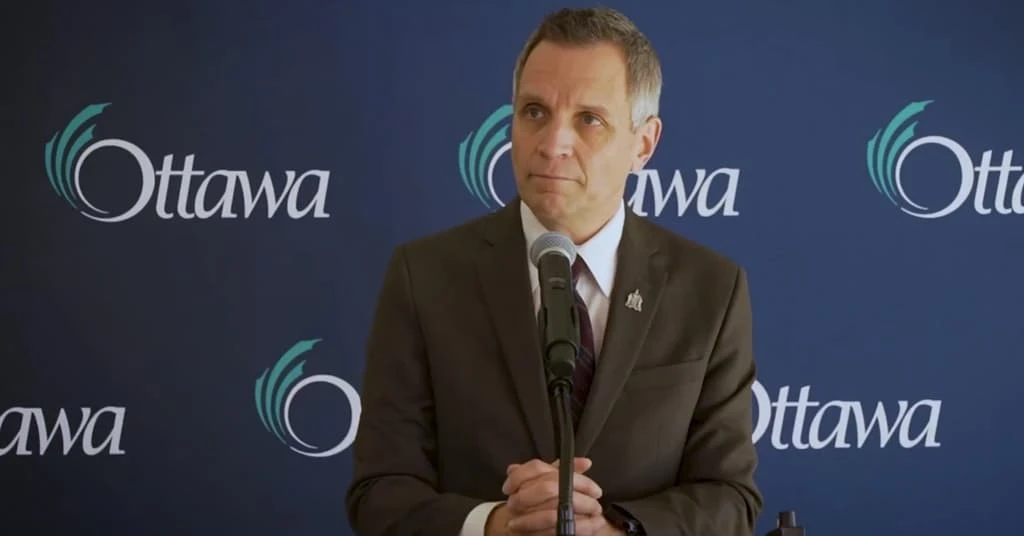
Ottawa Mayor Mark Sutcliffe has unveiled a $10 billion plan to repair and upgrade the city's aging infrastructure if he is re-elected, placing the issue at the center of the municipal election campaign. The incumbent announced the plan on Thursday, October 1, 2026.
What the Plan Includes
According to CTV News Ottawa, the plan sets out several priorities:
- $500 million for climate-resilient infrastructure
- $500 million to improve and restore roads
- $400 million to advance roughly 6,000 projects at recreation facilities
- 150 new parks and four new community centres and recreation complexes
The package is aimed at the everyday assets residents rely on, from roads and parks to neighborhood recreation spaces, while also addressing the growing need to prepare city systems for a changing climate.
Budget Context
The announcement builds on rising municipal spending. Council has increased capital budgets for infrastructure from $152.4 million in 2017 to $331 million in the 2026 budget, more than doubling the annual figure over nine years. Supporters of the plan are likely to point to that trend as evidence of momentum, while critics may ask how a further step up would be funded.
Rivals Respond
Infrastructure financing is already a point of contention among the candidates. Mayoral candidate Jeff Leiper has promised to introduce a one percent infrastructure levy on property tax bills if he wins. Another candidate, Lawson, criticized Sutcliffe's plan in a statement to CTV News Ottawa, arguing that it relies on debt to fix problems that were allowed to linger. Lawson has also promised, as part of a rural policy platform, to improve rural infrastructure maintenance.
Why It Matters
Ottawa's debate reflects a challenge facing cities worldwide: decades-old roads, pipes and public buildings need repair at the same time as residents expect new amenities and better climate resilience. Municipal leaders must decide how to pay for that work, whether through debt, dedicated levies, existing budgets or a mix, and how to explain the trade-offs to voters. How the candidates answer that question is likely to shape the final weeks of the race.
Other Infrastructure Headlines
Elsewhere, several projects are advancing:
- Washington, D.C.: Amtrak will carry out its "Pause for Progress" upgrade at A-Interlocking in the First Street Tunnel, just south of Union Station, from October 16 to 26. The location routes all Amtrak and Virginia Railway Express train movements between Union Station and Virginia, and service changes are expected south of the city.
- Maharashtra, India: The first steel bridge for the Mumbai-Ahmedabad Bullet Train Project was launched on October 1.
- Arizona: Pima County is working on a 134-mile open-access fiber optic ring around its urban core, funded by a five-year, $30.3 million NTIA grant awarded in 2023 under the Infrastructure Investment and Jobs Act.
- New York: Law firm Ropes & Gray will hold its inaugural Infrastructure Summit on October 21, focusing on private capital, the energy transition and next-generation digital and transportation assets.
What Comes Next
The full cost and financing of the proposals will likely draw close scrutiny as the campaign continues. Voters will weigh competing visions for how much to invest, how to pay for it and which projects should come first.
Figures are as reported by CTV News Ottawa and other cited sources as of October 3, 2026, and may change as the campaign develops.