
Jeddah Tower Reaches 113 Floors: Saudi Megatall Climbs Past Half of Burj Khalifa's Height

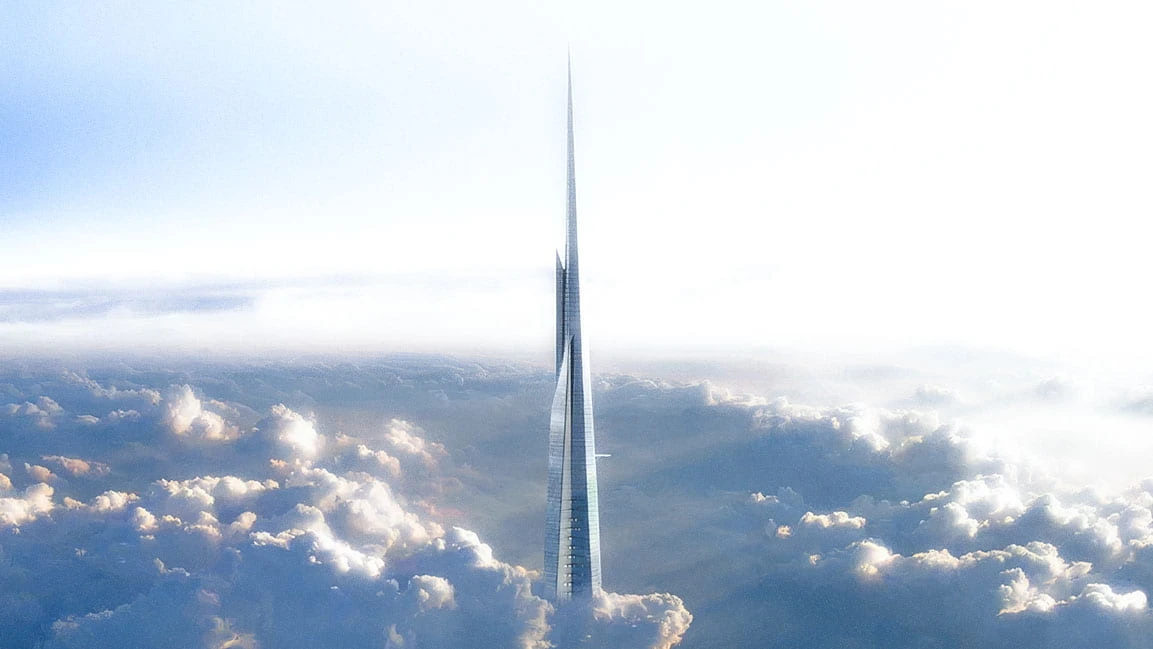
Saudi Arabia's Jeddah Tower, the megatall skyscraper designed to become the first building in history to reach one kilometre, has climbed to 113 floors and 454 metres, according to the latest verified construction update dated September 2, 2026. The milestone puts the tower well past half the height of Dubai's 828-metre Burj Khalifa, the current world record holder.
Where Construction Stands
Progress has been steady since work resumed. The tower had 63 floors in October 2024, passed 100 floors and 400 metres in April 2026, and reached 113 floors by early September. In August, Kingdom Holding said construction had reached 106 floors, with more than 300,000 cubic metres of concrete poured and around 6,400 workers on site.
Structural engineer Thornton Tomasetti, which provides structural design services to architect Adrian Smith + Gordon Gill Architecture, has described the project as one of the most complex construction environments on Earth. Analysts say the pace, roughly a floor every three to four days in recent months, shows the project is firmly back on track.
A Long Pause, Then a Restart
Construction began in 2013 but stalled at the 63rd floor in January 2018 when the developer, Jeddah Economic Company, stopped structural concrete work. In October 2024, the company signed a SAR 7.2 billion agreement with Saudi Binladin Group to complete the tower, with an anticipated construction period of 42 months. Work resumed in January 2025.
Design and Specifications
Jeddah Tower is planned to rise around 1,008 metres with 167 floors and 252 levels. Its distinctive three-wing, continuously tapering form helps manage wind forces at extreme height. Key figures reported so far include:
- A total built area of about 530,000 square metres.
- 59 elevators, including 54 single-deck and five double-deck units, plus 12 escalators.
- A mix of apartments, offices and a Four Seasons hotel.
The tower is the centrepiece of the wider Jeddah Economic City, a development on the Red Sea coast. The owner plans to launch off-plan apartment sales in 2026 and begin selling land plots to developers across the wider site.
When Will It Open?
Current projections place completion around 2028, although some industry estimates suggest the final stages could extend into 2029, depending on construction progress. Reports of a tower topping out at an earlier date have varied, so timelines should be treated cautiously until the developer confirms.
Burj Khalifa Remains the Record Holder
For now, the Burj Khalifa remains the tallest completed building in the world at 828 metres with 163 floors, a title it has held since opening in 2010. Both towers trace back to Adrian Smith, who designed the Burj Khalifa while at Skidmore, Owings & Merrill and leads Jeddah Tower's design through his current firm.
Beyond the headline race, analysts note the project is increasingly a test of coordination between the tower, its foundations and the surrounding infrastructure of Jeddah Economic City. Its progress is therefore watched as a measure of how credibly the broader district will be delivered.
Why It Matters for Infrastructure
Supertall projects stretch every part of the construction chain: concrete supply, crane logistics, vertical transport, wind engineering and workforce management. Restarting a stalled megaproject after nearly seven years and maintaining a rapid floor-by-floor pace offers lessons for other large infrastructure developments around the world.
Quick Facts
- Latest update: 113 floors and 454 metres (September 2, 2026)
- Planned height: around 1,008 metres, 167 floors
- Construction restarted: January 2025 after a halt that began in January 2018
- Contract: SAR 7.2 billion with Saudi Binladin Group, 42-month period
- Expected completion: around 2028, with some estimates reaching 2029
- Record to beat: Burj Khalifa at 828 metres