
Lion Green Road Wins 2026 RIBA Stirling Prize for Best New Building

Lion Green Road Wins Britain’s Top Architecture Award
Lion Green Road, a 157-home housing development in Croydon, south London, has won the 2026 RIBA Stirling Prize, one of the United Kingdom’s most prestigious architecture awards. The Royal Institute of British Architects (RIBA) announced the winner on October 15, recognising the project for its thoughtful design, environmental approach and contribution to modern housing.
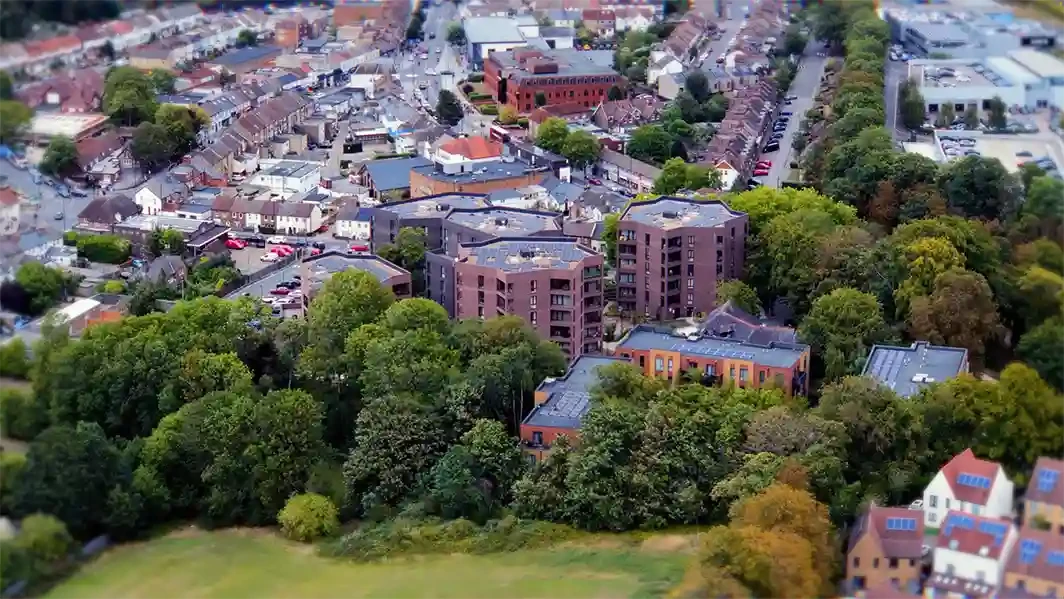
Located in Coulsdon, Lion Green Road was designed by Mary Duggan Architects, with RUFF Architects responsible for the delivery architecture. The development comprises five distinctive residential blocks that integrate with the surrounding landscape rather than dominating it.
The award highlights how well-designed council housing can respond to the growing demand for homes without sacrificing architectural quality, residents’ privacy or access to green spaces. The project was selected from a shortlist of six buildings competing for the 2026 prize.
RIBA praised the development for demonstrating that higher-density housing can be delivered without compromising the quality of the places people call home.
How a Council Housing Project Delivered 157 Homes
Lion Green Road was developed on a challenging, sloping site that previously served as a car park. The land varies in height by approximately eight metres, creating a complex design challenge for the architects.
The original plan called for 80 homes, but the completed development provides 157 dwellings across five 13-sided residential blocks. Its design makes use of the site’s natural contours, allowing the buildings to sit within the hillside and connect with nearby parkland.
Rather than relying on a conventional layout of streets, private gardens and uniform housing blocks, the architects arranged the buildings around shared outdoor spaces. Winding paths and carefully planned landscaping connect the residential blocks and create a neighbourhood designed for both privacy and community interaction.
The development includes a mix of affordable and private housing for Croydon Council. Its approach offers an example of how underused urban land can be transformed to address housing demand while maintaining a sense of place.
Innovative Architecture Blends Housing With Nature
One of the defining features of Lion Green Road is its landscape-led design. The residential blocks use a subtle palette of brickwork that complements the surrounding greenery, helping the buildings blend into the suburban setting.
The five blocks have carefully considered orientations and variations in height. Inside, each home is designed with windows on two sides, known as a dual-aspect layout, to improve daylight, ventilation and views. Balconies are positioned to help preserve residents’ privacy while allowing the buildings to sit relatively close together.
Shared outdoor areas are another important part of the development. Residents have access to landscaped spaces, play areas, a sensory trail and allotments. These features encourage outdoor activity, support biodiversity and provide opportunities for neighbours to interact.
The project also incorporates construction choices intended to reduce environmental impact, including efficient building methods, lighter structural solutions and optimised foundations.
Together, these elements demonstrate how contemporary residential architecture can combine housing density, environmental considerations and everyday liveability.
Why the RIBA Stirling Prize Matters
The RIBA Stirling Prize recognises buildings considered to make a significant contribution to architecture and the built environment. Projects are assessed on criteria including design vision, innovation, sustainability, accessibility, functionality and the experience of the people who use them.
Lion Green Road’s win is notable because it places a council-led housing scheme at the centre of the UK’s architectural conversation. At a time when housing affordability and the supply of new homes remain major challenges, the project demonstrates the potential value of investing in well-designed public housing.
RIBA president Chris Williamson praised the scheme for showing how density can be achieved without compromising the quality of the built environment. The project’s integration of housing and shared green spaces was central to its recognition.
Architect Mary Duggan described the award as extraordinary and humbling. She said the project had been conceived to challenge conventional ideas about affordable housing and to demonstrate that architectural ambition and social value can coexist with the practical realities of development.
What Lion Green Road Means for the Future of Housing
The development offers lessons for councils, architects and housing planners seeking to build more homes on limited land. Its design suggests that higher-density housing does not have to mean repetitive blocks, limited daylight or a lack of outdoor space.
By making the landscape part of the architectural plan, Lion Green Road creates a residential environment that connects homes with nature and encourages a stronger sense of community.
The project also highlights the importance of treating affordable housing as a long-term public asset rather than focusing exclusively on construction costs and the number of units delivered. Careful planning, durable materials and shared amenities can improve the everyday experience of residents.
Lion Green Road’s victory in the 2026 RIBA Stirling Prize puts innovative council housing in the spotlight. With 157 homes, landscaped communal areas and a design that responds to its surroundings, the Croydon development offers a compelling example of how architecture can help address the UK housing challenge while supporting quality of life.